

If you are searching for inert substrate for shrimp setup ideas for shrimp breeding tank, you are really making one big decision first. Do you want a substrate that leaves your water alone, or one that actively pulls pH down for soft water shrimp. Updated for November 2026, this guide walks through that choice based on shrimp species and hardiness, tank size, current water parameters and budget.
You do not need the most expensive bag to breed successfully. You need the right behavior for your tap or RO water and for the babies you want to raise. We will look at buffering, grain structure, nutrient load and lifespan, then map those ideas to a few options that show the range. For background, browse the Active Soil + Substrate guides before you buy.
What Actually Matters
Buffering Behavior Versus True Inert Behavior
This is the fork in the road for any breeding tank. A true inert substrate made from clay, sand or gravel does not change pH or KH. Your water stays exactly as your source and remineralizer make it, which many Neocaridina keepers prefer because those shrimp like stable, slightly alkaline conditions.
A buffering aquasoil does the opposite. It absorbs carbonates and holds pH in a soft, acidic range for Caridina. If your tap is hard and alkaline and you want to breed crystal or Taiwan bee shrimp, inert material will force you to fight your water with RO and constant adjustment. In that case a buffering soil saves work. If you already have soft tap or you keep cherries, inert is simpler and more predictable.
Grain Size, Shape and Shelter for Babies
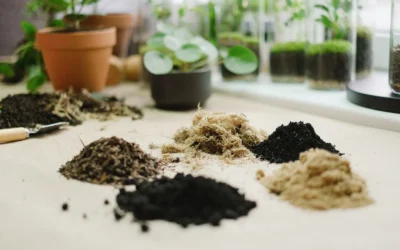
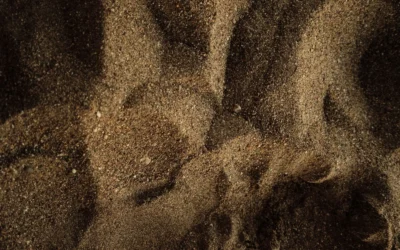
For a breeding tank, texture matters as much as chemistry. Look for a rounded, uniform grain that will not compact into a solid mat. Round pellets let mulm and uneaten food sit on top where you can siphon it, while still letting water flow through for oxygen to roots and bacteria.
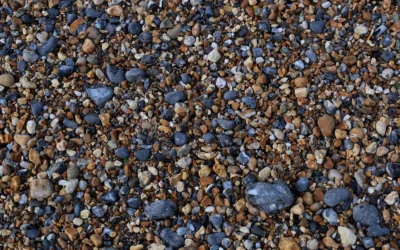
Fine grain structure also creates hiding places and grazing area. Newborn shrimplets cannot swim well and they feed on biofilm constantly for the first days. A porous, fine grained stratum gives them shelter from tank mates and much more surface area for biofilm than coarse gravel. Check the substrate basics archive for close up photos of what fine versus coarse looks like in a breeding setup.
Nutrient Load and Cycling Demands
Some soils are packed with ammonia and organics to grow plants fast. That is helpful for a heavily planted aquascape, but it means a longer, messier cycle before shrimp can go in safely. In a dedicated breeding tank you usually want moderate nutrients, strong bacterial colonization and clear water quickly.
Read the cycling guidance before you choose. High porosity material that supports nitrifying bacteria and biofilm will mature faster and hold a colony more steadily. If a product suggests combining with a cycling powder to reach maturity in about 30 days, plan for that full fishless cycle, test ammonia and nitrite to zero, and do not rush shrimplets into a fresh setup.
Depth, Amount and Lifespan
Think in terms of coverage and replacement, not just bag size. You want a layer deep enough to plant in and to hold bacteria, with a slightly deeper slope toward the back for stems, but not so deep that the lower layer goes anaerobic and sours. Keepers commonly report using a gentle front to back slope and leaving the front glass area thinner for feeding and counting babies.
Lifespan is the hidden cost. Inert clay and sand do not expire, you rinse and reuse them for years. Buffering soils do expire as their acid capacity is used up. When a soil is described as designed for about a year of performance with annual replacement to preserve buffering, take that seriously for Caridina breeding. Learn more about replacement timing in the Active Soil + Substrate archive so you can budget for it.
To see how these tradeoffs look in real products, here are a few options that show the range from stable clay base to active buffering soil:
This article contains affiliate links. If you buy through one of our links, Shrimpyo may earn a commission at no extra cost to you. Commissions never influence which products we recommend or how we rank them. Read our Affiliate Disclosure for details.
Quick Picks at a Glance

Prime Aqueon Plant and Shrimp Aquarium Substrate 5lb

Prime RareShrimp ShrimpSoil Pro 1L Aquarium Soil
As an Amazon Associate we earn from qualifying purchases. Product prices and availability are accurate as of the date/time indicated.
Pros
- Holds shape without breaking down into muddy soil like traditional substrates
- Versatile for planted tanks, shrimp colonies, community fish and aquatic turtles
- Natural brown color enhances aquascapes and helps plants stay anchored
- Easy to set up and maintain for beginners and experienced hobbyists
Cons
- 5-pound size may require multiple bags for larger tanks or deep substrate beds
- Freshwater only, not suitable for saltwater or brackish setups
- Light clay pellets can shift with digging turtles or large active fish and may need rinsing to prevent initial cloudiness
Aqueon Plant and Shrimp Aquarium Substrate is a 5-pound clay-based aqua soil made for freshwater planted tanks, shrimp colonies, and turtle habitats. It is a smart pick for beginners and aquascapers who want a natural foundation that supports both plants and animals.
In real world use, it provides a stable base that anchors stems and carpeting plants while letting roots spread easily. Because the pellets resist compacting, water keeps flowing through the bed which helps maintain healthier roots and a cleaner looking tank.
The build centers on small, round brown clay pellets that hold their shape over time instead of turning to mush. The texture looks natural, feels gentle for bottom dwelling shrimp, and layers well for slopes, hills, and detailed aquascapes.
There are a few tradeoffs to consider. The 5-pound bag covers small tanks well but larger setups will need extra bags for proper depth, and the lightweight pellets can be moved by turtles or large diggers. A quick rinse before adding water also helps limit initial cloudiness.
Overall, this is a reliable, versatile substrate for anyone building a freshwater planted or shrimp tank with natural style. If you want easy planting, steady root support, and a clean aquascape look, it is a strong value choice.
Brand: Aqueon, Model: Plant and Shrimp Aquarium Substrate, Size: 5 Pounds
Material: Premium clay, Color: Brown, Shape: Spherical pellets
Use: Freshwater planted tanks, shrimp habitats, community tanks and aquatic turtle aquariums
Item Model Number: 100534685, ASIN: B07HGKK59Q
Pros
- Trusted buffering formula used by Taiwan champion breeders for Caridina setups
- Supports both shrimp health and plant growth in one substrate
- Porous grains encourage biofilm and nitrifying bacteria colonization
- Fine texture protects shrimplets and allows easy root penetration
Cons
- Buffering capacity fades after about 12 months so annual replacement is needed
- 1L volume suits nano tanks but larger aquascapes will need multiple bags
- Low pH range is excellent for Caridina but may be too acidic for Neocaridina or hard water species
ShrimpSoil Pro by RareShrimp is a 1L professional buffering aquasoil made for freshwater shrimp tanks and planted aquascapes. It is built primarily for Caridina keepers who need soft, acidic, and stable water, but it also works well for aquasoil plant setups.
The standout feature is active pH buffering to 5.2 to 5.8, which helps keep parameters steady for sensitive shrimp. In real world use, deeper substrate beds extend buffering life and help lower pH further, while porous grains support biofilm grazing and faster biological maturity.
The soil has a fine, uniform grain that looks natural in nano and show tanks and allows roots to spread easily. High porosity encourages nitrifying bacteria colonization, which supports cleaner water, better nutrient uptake, and lush plant growth over time.
The main tradeoff is maintenance, since buffering lasts about 12 months and then the substrate should be replaced. The 1L size is perfect for small tanks, but larger layouts need more bags, and the low pH focus is not ideal for Neocaridina that prefer neutral to slightly alkaline water.
Overall, ShrimpSoil Pro is a strong choice for Caridina breeders, shrimplet survival, and high end aquascapes. If you want stable acidic water, healthy plants, and proven breeder grade performance, this soil is worth considering.
Brand: Rare Shrimp, Model: ShrimpSoil Pro 1L
Volume and Weight: 1 liter, 1.85 pounds, package 11.26 x 6.77 x 1.65 inches
Buffering Range: pH 5.2 to 5.8 for soft, acidic freshwater conditions
Use: Freshwater shrimp substrate, aquarium plant substrate, aquascapes and aquasoil setups
Performance Life: Designed for up to 12 months with annual replacement recommended
Use a deeper bed if you need stronger or longer buffering, as more soil increases acid buffering capacity. Rinse lightly or not at all per breeder guidance, then slope from back to front for planting and flow.
Pair the soil with a bacteria starter like Rare Shrimp cycling powder and allow about 30 days to fully cycle before adding sensitive Caridina. Test pH, GH, KH, ammonia, nitrite, and nitrate regularly during cycling.
Choose this soil for Caridina Crystal and Bee shrimp plus acidic loving plants. For Neocaridina Cherry shrimp or hard water fish, consider a neutral substrate or a thinner cap to avoid pH that is too low.
Matching Gear to Your Tank
Neocaridina cherry breeding tank with tap water. If you keep red cherries, yellows or blues in moderately hard tap and you want low maintenance breeding, lean inert. Aqueon Plant and Shrimp Aquarium Substrate is a useful example here because it is a premium clay based substrate that maintains its spherical shape over time without breaking down into compacted soil. That stability supports root development while leaving your pH and KH alone, so you can focus on feeding, water changes and culling.
Caridina crystal or bee shrimp breeding tank with RO water. If you remineralize RO and need soft, acidic water, inert material will not help you hold that range. ShrimpSoil Pro – Freshwater Shrimp & Aquatic Plant illustrates the other end of the spectrum because it actively buffers water to a stable pH of 5.2 to 5.8 for Caridina and planted tanks. Its fine grain stratum also offers hiding spots for newborn shrimp and high porosity for bacteria and root penetration, which fits a breeding goal where baby survival is the metric.
Planted breeder that needs both plants and babies. If you want a lush back corner with mosses and stems but an open front for grazing, either type can work if you plan depth and maintenance. The clay based option suits aquascaping projects where you rescape often and do not want soil breaking apart. The buffering option suits aquasoil setups where you want stronger plant uptake and microbial support and you accept annual refresh to keep buffering strong. Pair either choice with gentle flow, leaf litter and plenty of moss for cover.
Common Mistakes
Mistake one is choosing buffering soil for Neocaridina or inert gravel for sensitive Caridina without testing first. Test your source water for pH, GH and KH before ordering, then pick the substrate that moves you toward your target with the least daily effort, not the one with the best photos.
Mistake two is adding shrimp too early. Even low ammonia soils need time for biofilm to develop. Skipping a cycle in period leads to failed molts, lost berried females and disappearing babies. Cycle fully, see steady parameters for a week or more, then add a small starter group.
Mistake three is using too thin or too deep a bed and neglecting maintenance. A paper thin layer will not root plants or host bacteria, while a very deep bed traps waste and can develop dead spots. Siphon lightly, avoid deep vacuuming that crushes pellets, and top up or replace buffering soil on schedule instead of mixing many different genera specific products together.
My Experience
I run a small Neocaridina breeder and a separate soft water Caridina tank, so I have lived both sides of this choice. I chose a stable clay based spherical substrate for the cherry tank because my tap is steady and I wanted something that would not break down when I replant stems, and I chose a buffering aquasoil that holds a low acidic pH range for the Caridina tank to keep berried females comfortable. The inert tank needed almost no parameter chasing once cycled, while the buffering tank gave me much better baby counts but required me to plan for yearly replacement.
Who Should Wait or Buy Differently
If you are still deciding between Neocaridina and Caridina, or your water company changes sources seasonally, this type of substrate change is not ideal for you right now. A buffering soil is not a good fit for hard water cherry colonies that are already breeding well, and an inert substrate is not the right choice if you need to hold soft acidic water for crystals without constant RO adjustments. In those cases, wait, test your water for a few weeks, read the Active Soil + Substrate guides again, and only then invest in the bed that matches your long term colony goal.
Frequently Asked Questions
Is inert substrate better for a first shrimp breeding tank?
For Neocaridina with stable tap water, yes in most cases. Inert clay or sand keeps parameters predictable and never expires, so you can focus on feeding and water changes. Choose buffering soil first only if you are committed to Caridina and soft water from the start.
How do I know when buffering soil is exhausted?
Watch for rising pH and KH over several water changes and slower breeding. Keepers commonly report reduced buffering after many months of use, and some products are designed for about a year of performance. When pH no longer holds in the target acidic range, plan a careful replacement rather than stacking new soil on old.
Can I mix inert and buffering substrates?
You can cap or section them for looks, but mixing usually gives you unclear chemistry and uneven aging. For breeding it is cleaner to pick one behavior for the whole tank. Use mosses, leaves and botanicals for extra grazing instead of blending soils with different goals.
Write Your Review
No reviews yet. Be the first to share your experience!