

Learning how to cycle active soil for shrimp tank for caridina is the step that decides whether your Crystal Red or Taiwan Bee colony settles in or struggles from week one. You are not just waiting for water to clear, you are letting soil release its initial load, settle into its buffering range, and grow the biofilm your shrimp will graze on. As of November 2026, the main variables are still the same: shrimp species and hardiness, tank size and soil depth, your starting water parameters, and budget for support products.
In my own rack, Caridina always do better when I plan the cycle around soft and acidic water from the start instead of trying to fix it later. That means choosing a soil that lowers pH and KH, seeding bacteria and microorganisms early, and using a clean water source you can remineralize lightly. If you want background on substrate choices, browse the Active Soil + Substrate archive before you fill the tank.
What Actually Matters
Buffering Capacity and Target pH Range
Active soil for Caridina should pull your water soft and acidic and hold it there while bacteria establish. Look for products that state a clear buffered pH range and a working life, so you know what to test for. One example in the data buffers to a stable pH of 5.2 to 5.8 and lists long lasting performance designed for 12-month performance with annual replacement to preserve buffering.
You should weigh soil depth and water change routine as much as brand. Keepers commonly report that deeper soil beds hold buffering longer, while thin layers exhaust faster, especially with frequent water changes using harder water. Test pH and KH through the cycle with a liquid kit and only add shrimp when readings stay steady between water changes instead of bouncing after each top off.
Porosity, Grain Size and Surface for Bacteria
Cycling is mostly about surface area. A porous, sintered granule gives nitrifying bacteria and biofilm a place to anchor, which keeps water clearer and gives shrimplets grazing spots. Fine granule size in the range of 1.5 to 2.0mm is popular for dwarf shrimp because it is easy to plant in, allows root penetration, and still leaves tiny shelters for newborn shrimp.
Handle the soil gently during setup. Many active soils note that rinsing is not required, and rinsing can break granules and cloud the tank. Pour water in slowly over a plate or bag, avoid stirring the bed once it is wet, and let the filter run without livestock while the dust settles and bacteria colonize the pores. For more setup context, see how to choose active soil and setup gear for breeding tank.
Biological Seeding and the Food Web
Caridina tanks cycle best when you feed the microbes, not just wait. Cycling powders and microbial food powders are meant to establish beneficial bacteria colonies and microorganism layers that become continuous natural food. Look for formulas that describe a complete ecosystem approach and give a clear protocol over a 30-day period, plus simple dosing guidance such as one included scoop treats up to 50 shrimp.
Ingredients matter in plain language. A probiotic formula with Bacillus subtilis is used to support gut health and nutrient absorption, while biofilm boosters create rich layers for babies during critical early stages. Do not expect instant results. You want to see light biofilm on hardscape and soil, stable readings, and active microfauna before you consider the tank ready, even if the water looks clear early.
Water Source and Remineralization Discipline
Your water source sets how hard the soil has to work. Most Caridina keepers start with RO or distilled water and add back only what shrimp need for molting and breeding, such as calcium, magnesium, potassium and sodium. A liquid mineral in a convenient liquid form can make small adjustments easier than powders, especially when the label explains dosing clearly with details like approximately 15 drops equals to 1 ml and one capful is 7 ml.
Weigh ease of dosing and consistency over strength. During the soil cycle you want to keep GH, TDS and pH levels steady with small, tested additions rather than chasing a number in one step. Always test before and after dosing, keep notes, and pair your mineral routine with a reliable RO plan like the ideas in best RO system for taiwan bee shrimp.
Here are a few options that show the range from buffering soils to cycling and support products for Caridina tanks:
This article contains affiliate links. If you buy through one of our links, Shrimpyo may earn a commission at no extra cost to you. Commissions never influence which products we recommend or how we rank them. Read our Affiliate Disclosure for details.
Quick Picks at a Glance
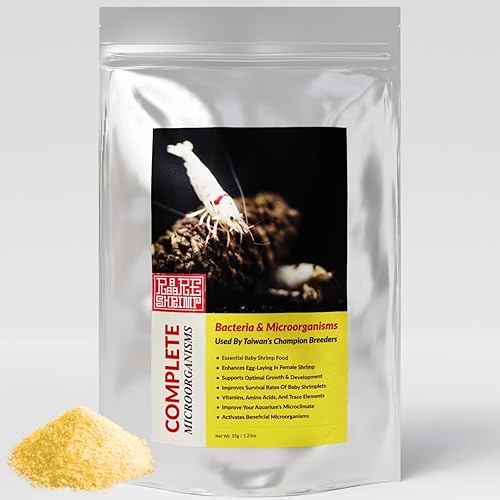
Prime RareShrimp Shrimp Biofilm Powder 35g Probiotic

Prime Crystalpro Shrimp Minerals 4.2oz Liquid GH

Prime SL Aqua Nature Soil Aquarium Substrate

Prime RareShrimp ShrimpSoil Pro 1L Aquarium Soil

Prime RareShrimp Shrimp Tank Cycling Powder 40g
As an Amazon Associate we earn from qualifying purchases. Product prices and availability are accurate as of the date/time indicated.
Pros
- Specifically designed for baby shrimp nutrition and early development
- Probiotic plus biofilm action supports both shrimp health and tank stability
- Works for all popular dwarf species including Caridina, Neocaridina and Crystal
- Includes measuring scoop for accurate, low waste dosing
Cons
- Powder form requires careful dosing to avoid overfeeding in small nano tanks
- Focused on babies and breeding, not a complete staple diet for adult shrimp
- Small 35g size may run out quickly in large or multiple breeding setups
RareShrimp Professional Shrimp Microbial Food Powder is a 35g biofilm booster made for dwarf shrimp breeders. It is ideal for anyone keeping Caridina, Neocaridina, Crystal Red or Taiwan Bee shrimp and wanting stronger breeding results.
The Taiwan inspired formula seeds beneficial microorganisms that form grazeable biofilm on surfaces and substrate. Combined with Bacillus subtilis probiotics, it gives newborn shrimplets vital protein while supporting digestion, immunity and nutrient uptake.
In real tanks, the ultra fine powder disperses well and settles where babies feed most. The included scoop treats up to 50 shrimp, which helps keep water cleaner by reducing excess food and supports more stable parameters over time.
As a specialty powder, it needs light and consistent dosing, especially in nano tanks where overfeeding can cloud water. It is also a supplement for babies and biofilm, not a replacement for a balanced adult diet.
For breeders focused on shrimplet survival and colony health, this is a smart addition to a breeding routine. It is simple to use, species versatile and built around proven biofilm science.
Brand: Rare Shrimp, Form: Unflavored powder, Size: 35g or 1.22oz, Target Species: Dwarf shrimp including Caridina, Neocaridina and Crystal.
Key Ingredient: Bacillus subtilis probiotic, Includes: Measuring scoop, Use: Shrimp breeding, biofilm growth and aquarium maintenance.
Pros
- Liquid form is faster and cleaner than powder remineralizers
- Supports molting, breeding and coloration with complete trace elements
- Helps maintain stable GH, TDS and pH in RO water setups
- Works for both Caridina and Neocaridina species
- Simple dosing system suited for beginners and experienced breeders
Cons
- 125ml bottle may run out quickly in large or multiple tanks
- Requires careful drop dosing to avoid over mineralizing small nano tanks
- Does not replace full water testing, you still need GH and TDS meters for accuracy
Crystalpro Shrimp Minerals is a liquid aquarium conditioner designed to remineralize freshwater shrimp tanks, especially for Caridina and Neocaridina keepers using RO or distilled water. It is ideal for beginners and breeders who want stable water without mixing powders.
The formula adds calcium, magnesium, potassium, sodium and trace elements that support molting, breeding and color. In daily use, it helps keep GH, TDS and pH steady, which leads to more active shrimp and fewer failed molts.
The 125ml liquid bottle with drop and capful dosing makes measuring simple and accurate. With about 15 drops per ml and 7 ml per cap, you can fine tune minerals for nano tanks or larger colonies without mess.
Because it is a concentrated liquid, overdosing is possible in very small tanks if you do not test as you dose. Heavy users with multiple tanks may also go through the 4.2 oz bottle fairly fast and need frequent restocks.
For shrimp keepers seeking a simple, effective way to recreate natural habitat conditions, this is a reliable choice. It combines convenience, compatibility and mineral completeness in one easy to use conditioner.
Brand: Crystalpro, designed for freshwater aquarium water treatments.
Volume: 125 ml liquid, 4.22 ounces in a single bottle.
Form: Liquid concentrate, no powder mixing required.
Dosing: Approximately 15 drops per ml, one capful equals 7 ml.
Compatibility: Formulated for Caridina, Neocaridina and other freshwater invertebrates.
Pros
- Ideal buffering for 0 to 1 KH RO water setups for bee shrimp
- 100 percent natural Japanese materials with porous structure for beneficial bacteria
- Fine 1.5 to 2.0mm granules look natural and are gentle for foraging shrimp
- Helps maintain clear and stable water chemistry long term
- Easy no rinse setup saves time and helps prevent clouding
Cons
- Designed only for soft water species, not suitable for Neocaridina or hard water tanks
- Requires RO water and careful slow filling to avoid disturbing substrate
- Amount needed must be calculated by tank size, which can confuse beginners
SL Aqua Nature Soil is a freshwater aquarium substrate from Japan designed specifically for soft water dwarf shrimp. It is made for keepers of Crystal Red, Crystal Black, Taiwan Bees and other Caridina species that thrive in low pH and low KH water.
Its standout strength is natural water conditioning. When used with RO water at 0 to 1 KH, it gently lowers pH and KH while releasing minerals, trace elements and organic acids. The porous granules also support beneficial bacteria, which helps keep water clear and stable for health, molting and breeding.
The build uses 100 percent natural raw materials sintered into uniform 1.5 to 2.0mm granules. The texture looks natural, allows good rooting for plants and gives shrimp a comfortable surface for foraging. The added plant nutrients are a welcome bonus for planted shrimp tanks.
It is not an all purpose substrate. It is intended for soft water setups only, so it will not suit Neocaridina or hard water species that need alkaline conditions. You must use RO water, avoid rinsing, and fill slowly to prevent clouding or disturbing the buffering layer.
For dedicated Caridina keepers, this is a reliable, premium choice that simplifies soft water management. If you keep bee shrimp and want stable parameters with healthy growth and color, SL Aqua Nature Soil is well worth setting up correctly.
Brand: SL Aqua, Product: Nature Soil Aquarium Substrate for Freshwater Shrimp
Granule Size: 1.5 to 2.0mm fine medium granule, Volume: 3 liters, Form: Porous sintered natural soil
Water Chemistry: Lowers pH and KH, Designed for 0 to 1 KH, RO water recommended
Target Species: Crystal Red, Crystal Black, Taiwan Bees, Shadow Shrimp and other soft water bee shrimp
Pros
- Trusted buffering formula used by Taiwan champion breeders for Caridina setups
- Supports both shrimp health and plant growth in one substrate
- Porous grains encourage biofilm and nitrifying bacteria colonization
- Fine texture protects shrimplets and allows easy root penetration
Cons
- Buffering capacity fades after about 12 months so annual replacement is needed
- 1L volume suits nano tanks but larger aquascapes will need multiple bags
- Low pH range is excellent for Caridina but may be too acidic for Neocaridina or hard water species
ShrimpSoil Pro by RareShrimp is a 1L professional buffering aquasoil made for freshwater shrimp tanks and planted aquascapes. It is built primarily for Caridina keepers who need soft, acidic, and stable water, but it also works well for aquasoil plant setups.
The standout feature is active pH buffering to 5.2 to 5.8, which helps keep parameters steady for sensitive shrimp. In real world use, deeper substrate beds extend buffering life and help lower pH further, while porous grains support biofilm grazing and faster biological maturity.
The soil has a fine, uniform grain that looks natural in nano and show tanks and allows roots to spread easily. High porosity encourages nitrifying bacteria colonization, which supports cleaner water, better nutrient uptake, and lush plant growth over time.
The main tradeoff is maintenance, since buffering lasts about 12 months and then the substrate should be replaced. The 1L size is perfect for small tanks, but larger layouts need more bags, and the low pH focus is not ideal for Neocaridina that prefer neutral to slightly alkaline water.
Overall, ShrimpSoil Pro is a strong choice for Caridina breeders, shrimplet survival, and high end aquascapes. If you want stable acidic water, healthy plants, and proven breeder grade performance, this soil is worth considering.
Brand: Rare Shrimp, Model: ShrimpSoil Pro 1L
Volume and Weight: 1 liter, 1.85 pounds, package 11.26 x 6.77 x 1.65 inches
Buffering Range: pH 5.2 to 5.8 for soft, acidic freshwater conditions
Use: Freshwater shrimp substrate, aquarium plant substrate, aquascapes and aquasoil setups
Performance Life: Designed for up to 12 months with annual replacement recommended
Use a deeper bed if you need stronger or longer buffering, as more soil increases acid buffering capacity. Rinse lightly or not at all per breeder guidance, then slope from back to front for planting and flow.
Pair the soil with a bacteria starter like Rare Shrimp cycling powder and allow about 30 days to fully cycle before adding sensitive Caridina. Test pH, GH, KH, ammonia, nitrite, and nitrate regularly during cycling.
Choose this soil for Caridina Crystal and Bee shrimp plus acidic loving plants. For Neocaridina Cherry shrimp or hard water fish, consider a neutral substrate or a thinner cap to avoid pH that is too low.
Pros
- Formulated specifically for Caridina and Neocaridina, including Crystal Red breeding setups
- Promotes sustainable biofilm for continuous natural grazing, ideal for shrimplets
- Builds beneficial bacteria network to support long term water quality
- Includes clear step by step 30 day protocol for consistent results
- Compact powder format is easy to dose and store
Cons
- Requires a full 30 day cycling protocol, so not ideal if you need an instant start
- 40g size is designed for initial setup, larger or multiple tanks will need more product
- Results depend on closely following instructions and stable tank maintenance
RareShrimp Professional Shrimp Tank Cycling Powder is a 40g starter designed to cycle new freshwater shrimp tanks and build a living ecosystem. It is made for hobbyists and breeders setting up Crystal Red, Caridina and Neocaridina colonies who want a structured start.
Its standout promise is a complete microbial foundation rather than just a water conditioner. The blend focuses on essential microorganisms, beneficial bacteria and sustainable biofilm to support water quality, natural grazing and shrimplet survival.
In real world use, the value is in stability and food availability during the critical first month. A mature biofilm layer gives baby shrimp constant grazing while the bacterial network helps buffer the system against swings that often cause losses in new setups.
The powder format is compact, easy to store and simple to dose for a single setup, with step by step instructions for a 30 day cycle. The main tradeoff is patience, as you need to follow the full protocol and cannot safely shortcut the maturation period.
Final verdict: this is a specialized tool for serious shrimp keepers who want a breeder style start. If you are cycling a dedicated Caridina or Neocaridina breeding tank and want biofilm plus bacteria in one system, it is a strong fit.
Form: Powder in bottle, 40g total, listed as 1.41 ounce unit count for single tank cycling.
Target Species: Freshwater shrimp, including Crystal Red, Caridina and Neocaridina for breeding and colony tanks.
Use: 30 day tank starter to establish microorganisms, biofilm and beneficial bacteria for water quality.
Manufacturer: Rare Shrimp, Part SJ-57D3-4D0L, Package size 2.4 x 2.36 x 1.93 inches.
Matching Gear to Your Tank
If you are starting a fresh Caridina tank on new active soil, focus on buffering plus a timed seeding routine. ShrimpSoil Pro – Freshwater Shrimp & Aquatic Plant is the illustrative example here because it is a 1L buffering substrate that lists pH 5.2 to 5.8, high porosity for bacteria and biofilm, and fine grain shelter for babies. Pair that style of soil with Professional Shrimp Tank Cycling Powder 40g, which outlines a step by step protocol over a 30-day period to build a beneficial bacteria network and sustainable biofilm before shrimp arrive.
If your tap is variable or you run RO and worry about molting during the cycle, prioritize soil structure plus gentle remineralization control. SL Aqua Aquarium Soil Substrate for Freshwater shows what to look for with its 1.5 to 2.0mm granule size, pH and KH lowering properties, and rinsing not required handling. Use it alongside Crystalpro Shrimp Minerals 4.2 Oz as an example of a liquid conditioner that adds calcium, magnesium, potassium, sodium and more, with measured dosing where approximately 15 drops equals to 1 ml. Add tiny amounts, test, and wait a day before adjusting again.
If your main goal is shrimplet survival after the cycle, plan biofilm food early so it is mature when babies arrive. Professional Shrimp Microbial Food Powder illustrates this role with its biofilm layer focus, Bacillus subtilis probiotic formula, and precision dosing where one included scoop treats up to 50 shrimp. Start it late in the fishless cycle rather than day one, then keep feeding lightly once shrimp are in. For feeding cadence ideas, read how to choose baby shrimp food for survival.
Common Mistakes
• Adding shrimp before the soil settles. New active soil can leach heavily at first, then drift as buffering kicks in. If you skip the cycle in period or cut the 30-day protocol short because water looks clear, Caridina often face unstable pH and KH swings right after introduction. Wait for flat test readings across several days and visible biofilm before you stock.
• Dosing minerals too fast or mixing routines. A common error is adding a large mineral dose to fix molting issues, then adding another product meant for a different shrimp genus. That creates GH, TDS and pH jumps that stress Caridina more than low minerals did. Dose small, test before and after, and stick to one remineralization plan through the whole cycle.
• Rinsing soil, deep vacuuming, or overcleaning the filter mid cycle. Active soil granules are porous by design, and aggressive rinsing or stirring breaks them down and releases more dust. Rinse free setups, gentle water fills, and leaving filter media alone let bacteria and biofilm colonize faster and keep baby shrimp shelters intact.
My Experience
I set up my small Caridina cube with a fine grain active soil bed, RO water, and a 30-day fishless cycle using a cycling powder plus light microbial powder near the end. I did not rinse the soil, I filled slowly, and I tested pH and KH every few days while keeping mineral additions tiny and spaced out. By November the biofilm was visible on the wood and shrimp grazed within minutes of introduction, and the first batch of shrimplets had cover in the granules instead of hanging in the open.
Who Should Wait or Buy Differently
This cycling approach with buffering soil and seeding powders is not ideal for Neocaridina only tanks on hard tap water or for anyone who wants shrimp in the tank this weekend. If you keep hard water cherries, prefer inert sand, or cannot do RO and regular testing, you are better off with an inert setup and a simpler cycle. Caridina focused buffering soil is also not a good fit if you will not replace or refresh substrate when buffering fades after long term use.
Frequently Asked Questions
How long does it take to cycle active soil for Caridina? Many protocols run over a 30-day period, but go by stability not the calendar. You want steady pH and KH, zero ammonia and nitrite on a test kit, and visible biofilm before adding shrimp.
Do I need special powders to cycle active soil? You can cycle with soil, filter, and time alone, but seeding powders help establish beneficial bacteria and microorganisms faster. They are most useful in new RO tanks where there is little organic matter to start the food web.
Should I do water changes while active soil cycles? Small, regular water changes help remove initial leach and dust without stalling bacteria. Change gently without stirring the bed, refill with matching temperature RO water, and remineralize lightly only after testing.

Write Your Review
No reviews yet. Be the first to share your experience!