

Learning how to cycle active soil for shrimp tank for juvenile shrimp is a different decision than just picking a pretty substrate. You are choosing how your water chemistry will behave for the next several months, and babies feel every swing much more than adults do. Your main variables are shrimp species and hardiness, tank size and soil volume, your current water parameters from tap or RO, and your budget for soil plus cycling helpers.
If you keep Caridina like Crystal Reds or Taiwan Bees, you need soft, slightly acidic water that stays put. If you keep Neocaridina juveniles, you need stability more than strong buffering. Either way, active soil will leach ammonia at first, grow biofilm over time, and then settle. That is why it helps to browse active soil and substrate options with cycling in mind, not just color or grain size.
What Actually Matters
Buffering Behavior and Early Ammonia Leach
True active soil is made to pull KH down and hold pH in a soft, slightly acidic range. That buffering is what Caridina babies love, but it comes with a cost during the first weeks. Most volcanic and aquasoil types release ammonia as they soak and settle, which feeds your filter bacteria but is toxic to shrimplets. You should weigh how strong the buffering is against how long you can wait before adding juveniles.
Look for language about pH intent, filter capacity for clear water, and whether the maker says it will not discolor water. A soil that holds pH steady without constant swings is more valuable for babies than one that drops pH very low and then exhausts quickly. If you use tap with noticeable KH, expect shorter buffering life and plan for RO plus remineralizing down the road.
Grain Size, Porosity and Shelter
Juvenile shrimp live on surfaces. They graze biofilm on soil grains, hide between pellets after molting, and avoid open areas where flow is strong. A fine to medium spherical grain that keeps its shape without compacting gives you more usable surface and better root penetration for plants. Porous structure also helps nitrifying bacteria colonize faster, which shortens the ugly phase of cycling.
Pay attention to whether the soil stays granular over time or breaks into mud. Soils that are double baked or described as maintaining spherical shape tend to keep flow through the bed and resist anaerobic pockets. For babies, avoid very sharp or dusty beds that cloud badly when touched, since juveniles will be sifting that surface daily.
Biological Seeding and Realistic Cycling Time
Dry active soil starts almost sterile. Wet, bio seeded sand or a dedicated cycling powder starts with live nitrifying bacteria and microorganism cultures that can speed up biofilm growth. Neither option lets you skip testing, but the seeded route often shows a faster drop in ammonia and nitrite. One product protocol in this group describes proper cycling over a 30 day period, which matches what keepers commonly report for active soil tanks before babies go in.
Think in stages, not just clear water. First you want ammonia to rise and fall, then nitrite to do the same, then stable nitrates with steady pH and KH. After that you still want visible biofilm on wood, leaves and soil before juveniles arrive. Our baby shrimp feeding guide explains why powdered biofilm foods help, but they cannot replace a matured substrate surface.
Soil Volume, Depth and Long Term Plan
More soil usually means stronger buffering and longer life, but also more initial leach and higher upfront cost. A thin layer in a small grow out box will cycle faster and exhaust faster, while a deeper slope in a breeding tank holds parameters longer and gives plants more root room. You should match volume to your water change routine and whether you plan to keep Caridina long term or just raise a batch of Neocaridina juveniles.
Also plan for replacement. One listing in this category mentions 12 month performance, and keepers commonly report that buffering fades after many months of water changes, especially with harder source water. If you cannot replace soil yearly, choose a soil known for holding structure and pair it with gentle maintenance, leaf litter and stable remineralized RO water.
To show what that range looks like, here are a few options that show the range from clay based beds to true buffering soils and cycling helpers:
This article contains affiliate links. If you buy through one of our links, Shrimpyo may earn a commission at no extra cost to you. Commissions never influence which products we recommend or how we rank them. Read our Affiliate Disclosure for details.
Quick Picks at a Glance
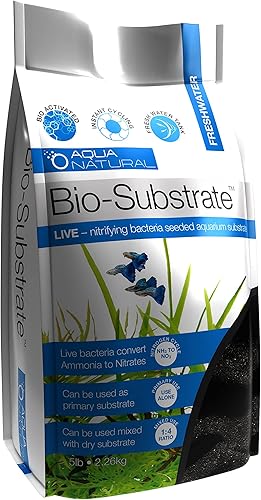
Prime Aqua Natural Galaxy Sand Bio-Substrate 5lb

Prime Aqueon Plant and Shrimp Aquarium Substrate 5lb

Prime Dennerle Shrimp King Active Soil 4L

Prime RareShrimp ShrimpSoil Pro 1L Aquarium Soil

Prime RareShrimp Shrimp Tank Cycling Powder 40g
As an Amazon Associate we earn from qualifying purchases. Product prices and availability are accurate as of the date/time indicated.
Pros
- Cycles new tanks faster with pre-seeded bio-active bacteria
- Beautiful sparkly black color enhances aquascapes
- Soft fine sand safe for shrimp and bottom dwellers
- No rinsing required, ready to use straight from the bag
Cons
- Clouds water for 24 to 72 hours if added to a filled tank
- One 5lb bag only provides a thin layer in a 10 gallon tank, larger tanks need multiple bags
- Arrives wet and must not be rinsed, which can surprise first time users
Aqua Natural Galaxy Sand Bio-Substrate is a 5lb black aquarium sand pre-seeded with live nitrifying bacteria. It is designed for freshwater planted tanks, shrimp tanks and aquascapes needing instant biological filtration.
The standout feature is the patented blend of live nitrosomonas and nitrobacter that helps convert ammonia into nitrates. In real tanks, users report faster cycling, happy plants and active bottom dwellers, plus a striking sparkle under aquarium lights.
Made from 100 percent natural stone, this substrate is sustainably sourced, triple washed and kiln dried. The fine, soft grain is meticulously graded to support root growth, provide surface area for bacteria and stay gentle on sensitive barbels and feet.
The main drawback is temporary cloudiness, especially when added to a filled tank with the filter running. Coverage is also light, so tanks over 10 gallons will need multiple bags for a deep planted bed.
Overall, this is an excellent pick for beginners cycling a new tank and for hobbyists wanting a dramatic black sand look. Use it as directed without rinsing and allow a day or two to clear for best results.
Brand: Aqua Natural, Model: BIOFRESH005, Color: Galaxy Black, Size: 5lb bag. Material is natural stone sand.
Pre-seeded wet with live nitrifying bacteria, triple washed and kiln dried. 100 percent natural and sustainably sourced.
Best for freshwater aquariums, planted tanks, shrimp and bottom dwellers. Suggested use is 1lb per gallon, mixed 1 part live to 4 parts dry.
Do not rinse this substrate, as rinsing removes the live bacteria. Place it dry into a new tank or gently add to existing substrate.
Turn off filters and remove fish when adding to a filled tank to reduce clouding. Pour slowly over a plate or bag to minimize disturbance.
Allow 24 to 72 hours for water to fully clear. Use as a primary substrate or mix with dry sand for larger aquariums.
Pros
- Holds shape without breaking down into muddy soil like traditional substrates
- Versatile for planted tanks, shrimp colonies, community fish and aquatic turtles
- Natural brown color enhances aquascapes and helps plants stay anchored
- Easy to set up and maintain for beginners and experienced hobbyists
Cons
- 5-pound size may require multiple bags for larger tanks or deep substrate beds
- Freshwater only, not suitable for saltwater or brackish setups
- Light clay pellets can shift with digging turtles or large active fish and may need rinsing to prevent initial cloudiness
Aqueon Plant and Shrimp Aquarium Substrate is a 5-pound clay-based aqua soil made for freshwater planted tanks, shrimp colonies, and turtle habitats. It is a smart pick for beginners and aquascapers who want a natural foundation that supports both plants and animals.
In real world use, it provides a stable base that anchors stems and carpeting plants while letting roots spread easily. Because the pellets resist compacting, water keeps flowing through the bed which helps maintain healthier roots and a cleaner looking tank.
The build centers on small, round brown clay pellets that hold their shape over time instead of turning to mush. The texture looks natural, feels gentle for bottom dwelling shrimp, and layers well for slopes, hills, and detailed aquascapes.
There are a few tradeoffs to consider. The 5-pound bag covers small tanks well but larger setups will need extra bags for proper depth, and the lightweight pellets can be moved by turtles or large diggers. A quick rinse before adding water also helps limit initial cloudiness.
Overall, this is a reliable, versatile substrate for anyone building a freshwater planted or shrimp tank with natural style. If you want easy planting, steady root support, and a clean aquascape look, it is a strong value choice.
Brand: Aqueon, Model: Plant and Shrimp Aquarium Substrate, Size: 5 Pounds
Material: Premium clay, Color: Brown, Shape: Spherical pellets
Use: Freshwater planted tanks, shrimp habitats, community tanks and aquatic turtle aquariums
Item Model Number: 100534685, ASIN: B07HGKK59Q
Pros
- Creates stable, shrimp friendly pH and soft water conditions
- Natural minerals support growth, color and successful breeding
- Keeps water crystal clear without yellow tint
- Durable double baked granules last longer than soft soils
- Works well for plants and soft water tropical fish too
Cons
- Active buffering capacity will deplete over time and the substrate will need replacement
- Lowers pH and KH at first, so tank must be cycled and tested before adding sensitive shrimp
- 4 liter bag covers small to medium tanks only, larger setups need multiple bags
Dennerle Shrimp King Active Soil is a 4 liter active substrate designed specifically for freshwater shrimp aquariums. It is ideal for hobbyists keeping and breeding shrimp that prefer soft, slightly acidic water, plus planted tank keepers with similar needs.
In use, it buffers pH down to a shrimp friendly range and supplies minerals and trace elements that support molting and growth. The porous granules provide strong biological filtration capacity, which helps maintain crystal clear water and healthy plant growth without promoting algae.
Build quality is a clear strength, as the granules are double baked to hold shape longer and resist turning to mud. The natural dark look suits shrimp display tanks, and it does not leach color into the water so visibility stays excellent.
There are tradeoffs common to active soils. Buffering fades with time, so retesting and eventual replacement are needed, and fresh soil can shift parameters during cycling. The 4 liter volume is perfect for nano tanks but larger aquariums will require extra bags for proper depth.
For shrimp focused setups, this is a reliable and well balanced substrate choice. If you want stable soft water, clear viewing and plant compatibility in one product, it is easy to recommend for dedicated shrimp tanks.
Brand: Dennerle
Product: Shrimp King Active Soil, Classic Style
Volume: 4 Liters
Material: 100 percent natural volcanic soil, double baked
Use: Freshwater shrimp, soft water tropical fish and plants
Model Number: 6177
Pros
- Trusted buffering formula used by Taiwan champion breeders for Caridina setups
- Supports both shrimp health and plant growth in one substrate
- Porous grains encourage biofilm and nitrifying bacteria colonization
- Fine texture protects shrimplets and allows easy root penetration
Cons
- Buffering capacity fades after about 12 months so annual replacement is needed
- 1L volume suits nano tanks but larger aquascapes will need multiple bags
- Low pH range is excellent for Caridina but may be too acidic for Neocaridina or hard water species
ShrimpSoil Pro by RareShrimp is a 1L professional buffering aquasoil made for freshwater shrimp tanks and planted aquascapes. It is built primarily for Caridina keepers who need soft, acidic, and stable water, but it also works well for aquasoil plant setups.
The standout feature is active pH buffering to 5.2 to 5.8, which helps keep parameters steady for sensitive shrimp. In real world use, deeper substrate beds extend buffering life and help lower pH further, while porous grains support biofilm grazing and faster biological maturity.
The soil has a fine, uniform grain that looks natural in nano and show tanks and allows roots to spread easily. High porosity encourages nitrifying bacteria colonization, which supports cleaner water, better nutrient uptake, and lush plant growth over time.
The main tradeoff is maintenance, since buffering lasts about 12 months and then the substrate should be replaced. The 1L size is perfect for small tanks, but larger layouts need more bags, and the low pH focus is not ideal for Neocaridina that prefer neutral to slightly alkaline water.
Overall, ShrimpSoil Pro is a strong choice for Caridina breeders, shrimplet survival, and high end aquascapes. If you want stable acidic water, healthy plants, and proven breeder grade performance, this soil is worth considering.
Brand: Rare Shrimp, Model: ShrimpSoil Pro 1L
Volume and Weight: 1 liter, 1.85 pounds, package 11.26 x 6.77 x 1.65 inches
Buffering Range: pH 5.2 to 5.8 for soft, acidic freshwater conditions
Use: Freshwater shrimp substrate, aquarium plant substrate, aquascapes and aquasoil setups
Performance Life: Designed for up to 12 months with annual replacement recommended
Use a deeper bed if you need stronger or longer buffering, as more soil increases acid buffering capacity. Rinse lightly or not at all per breeder guidance, then slope from back to front for planting and flow.
Pair the soil with a bacteria starter like Rare Shrimp cycling powder and allow about 30 days to fully cycle before adding sensitive Caridina. Test pH, GH, KH, ammonia, nitrite, and nitrate regularly during cycling.
Choose this soil for Caridina Crystal and Bee shrimp plus acidic loving plants. For Neocaridina Cherry shrimp or hard water fish, consider a neutral substrate or a thinner cap to avoid pH that is too low.
Pros
- Formulated specifically for Caridina and Neocaridina, including Crystal Red breeding setups
- Promotes sustainable biofilm for continuous natural grazing, ideal for shrimplets
- Builds beneficial bacteria network to support long term water quality
- Includes clear step by step 30 day protocol for consistent results
- Compact powder format is easy to dose and store
Cons
- Requires a full 30 day cycling protocol, so not ideal if you need an instant start
- 40g size is designed for initial setup, larger or multiple tanks will need more product
- Results depend on closely following instructions and stable tank maintenance
RareShrimp Professional Shrimp Tank Cycling Powder is a 40g starter designed to cycle new freshwater shrimp tanks and build a living ecosystem. It is made for hobbyists and breeders setting up Crystal Red, Caridina and Neocaridina colonies who want a structured start.
Its standout promise is a complete microbial foundation rather than just a water conditioner. The blend focuses on essential microorganisms, beneficial bacteria and sustainable biofilm to support water quality, natural grazing and shrimplet survival.
In real world use, the value is in stability and food availability during the critical first month. A mature biofilm layer gives baby shrimp constant grazing while the bacterial network helps buffer the system against swings that often cause losses in new setups.
The powder format is compact, easy to store and simple to dose for a single setup, with step by step instructions for a 30 day cycle. The main tradeoff is patience, as you need to follow the full protocol and cannot safely shortcut the maturation period.
Final verdict: this is a specialized tool for serious shrimp keepers who want a breeder style start. If you are cycling a dedicated Caridina or Neocaridina breeding tank and want biofilm plus bacteria in one system, it is a strong fit.
Form: Powder in bottle, 40g total, listed as 1.41 ounce unit count for single tank cycling.
Target Species: Freshwater shrimp, including Crystal Red, Caridina and Neocaridina for breeding and colony tanks.
Use: 30 day tank starter to establish microorganisms, biofilm and beneficial bacteria for water quality.
Manufacturer: Rare Shrimp, Part SJ-57D3-4D0L, Package size 2.4 x 2.36 x 1.93 inches.
Matching Gear to Your Tank
If you are setting up a dedicated Caridina baby tank with RO water, start with a true buffering soil and a biological starter. ShrimpSoil Pro – Freshwater Shrimp & Aquatic Plant is the clearest example here because it actively buffers to a stable pH of 5.2 to 5.8 for soft, acidic conditions. Pairing that kind of soil with Professional Shrimp Tank Cycling Powder 40g makes sense when you want continuous biofilm and a guided 30 day cycling protocol before juveniles arrive.
If you are growing out Neocaridina juveniles in a planted community with milder source water, you may not want maximum buffering. Aqueon Plant and Shrimp Aquarium Substrate is a premium clay based substrate that maintains its spherical shape to support roots and aquascaping without breaking down into compacted soil. For a slightly stronger but still manageable buffer, Dennerle Shrimp King Active Soil, 4 Liters is made with volcanic soil, double baked to last longer, and described as not discoloring water while creating suitable pH for shrimp. Both are easier to live with if your tap already has some KH.
If you need a faster restart, a small holding tank, or extra surface for babies while your main soil matures, consider a seeded sand. Aqua Natural Bio-Substrate, Galaxy Sand, 5lb (Wet) comes seeded with bio active live nitrifying bacteria and is marketed to cycle instantly while staying plant friendly. The trade off is real, it does not buffer like volcanic active soil, so do not expect it to hold low pH on its own. Use it as a helper or cap in a juvenile safe layout, and read more breeding tank setup ideas before you commit to a full scape.
Common Mistakes
Mistake one is adding juveniles as soon as water looks clear. Active soil can still be leaching ammonia while looking crystal clear, and babies stop grazing and die quietly when ammonia or nitrite spikes. Test before and after water changes during cycling, wait for flat readings over several days, then add only a few hardy juveniles first to confirm stability.
Mistake two is rinsing, boiling or aggressively vacuuming new active soil. Many soils rely on porous pellets and fine nutrients that wash away or turn to mush if scrubbed. Rinsing also strips the live bacteria from seeded products, which defeats the purpose of buying them wet. Place soil gently, fill slowly over a plate or bag, and leave the bed alone except for light surface siphoning.
Mistake three is starving the biofilm while chasing perfect numbers. Juveniles need constant grazing between feedings, especially in the first weeks after you add them. If you sterilize everything, over clean the filter, and skip leaf litter or powdered baby food, shrimplets will stall even in clean water. Cycle with lights on a normal schedule, let a soft film develop, and check our mineral and water parameter hub so remineralizing does not undo your soil buffering.
My Experience
I cycled a small Caridina nursery with a volcanic soil bed and a small pack of cycling powder because my first batch of babies kept fading in week two. I laid a gentle slope, filled slowly, ran the sponge filter with leaf litter, and followed a full 30 day cycling routine with regular testing before I trusted the tank. The second group of juveniles grazed visibly on the soil surface within hours and molted without losses, and the bed held a steady slightly acidic pH instead of swinging after water changes.
Who Should Wait or Buy Differently
Strong buffering soil is not ideal for you if you keep hard water Neocaridina in mineral rich tap and do large weekly changes, since constant KH input will exhaust the soil fast and cause pH swings that stress babies more than stable inert sand would. It is also not the right choice if you need juveniles moved this week with no time to cycle, in that case hold babies in a mature cycled tank, seed the new filter, and wait until ammonia and nitrite read zero for days before you switch them over.
Frequently Asked Questions
How long should I cycle active soil before adding juvenile shrimp?
Plan on several weeks, not days. Keepers commonly report three to five weeks for ammonia and nitrite to settle, and one protocol here outlines a 30 day period with bacterial seeding. Add juveniles only after readings stay flat and you see active biofilm and grazing behavior from a few test shrimp.
Should I rinse active soil before cycling?
In most cases, no. Rinsing crushes pellets, releases extra dust, and washes away the porosity and bacteria you paid for, especially with seeded wet substrates. Place it dry or damp as directed, fill gently, and let your filter clear the initial haze.
Can I mix active soil with sand for juvenile shrimp?
You can, but keep zones separate rather than fully mixing. Use active soil where you want buffering and root growth, and inert sand in front for feeding and easy cleaning. Mixing everything together makes it hard to vacuum, reduces buffering predictability, and can trap waste where babies feed.
Write Your Review
No reviews yet. Be the first to share your experience!