

Learning how to cycle bio media for a shrimp tank is different from cycling a fish only tank because shrimp show stress fast when ammonia or nitrite appears. You are not just buying rings or a bottle, you are growing a living filter that must process waste steadily before shrimp move in. Your decision comes down to shrimp species and hardiness, tank size in general terms, your current water parameters, and your budget.
If you keep hardy Neocaridina you have a little more room for error than with sensitive Caridina, but both need fully matured media. In this 2026 guide we will walk through a simple framework for picking media surface, choosing a bacterial helper, and prepping water the shrimp safe way. For background on filter styles, browse the Sponge Filter + Bio Filter archive before you buy anything.
What Actually Matters
Porous Surface And Media Mix
The job of bio media is to give nitrifying bacteria a place to live where water flows past but does not blast them off. Porous ceramic, sintered glass, and structured plastic all work, but they behave differently. Porous types offer many tiny pores for bacteria while open types like balls resist clogging and keep flow steady.
For shrimp tanks, a mix often works better than one single shape because sponge prefilters catch debris while hard media handles biological load. Look for media described as pH neutral and suitable for canister, sump, or hang on back filters so it will not shift your chemistry. You want enough to fill your filter chamber loosely without packing it tight.
Bacteria Starter Style Versus Water Conditioner
New keepers often confuse two different helpers. A live nitrifier blend is meant to seed your media with the bacteria that convert ammonia to nitrite and then to nitrate. A shrimp water conditioner is meant to make tap water livable right away by handling chlorine, chloramines, ammonia, and heavy metals like copper.
You usually need both ideas during a cycle, but for different reasons. Use a conditioner every time you add tap water so your growing bacteria and future shrimp are not hit with disinfectants. Use a bacteria product to help colonize fresh media, then prove with testing that the colony actually processes waste before you add livestock. Neither one replaces patience or testing.
Shrimp Sensitivity And Physical Safety
Shrimp are far more sensitive than most fish to copper, sudden parameter swings, and uncycled filters. That is why shrimp specific conditioners that mention copper neutralization and chloramine removal are popular with keepers. You should also think about shrimplets getting pulled into intakes, which is a separate issue from cycling but affects which filter body you pair with your media.
Choose media and sponges that do not leach color, dust heavily, or crumble into sharp bits. Rinse new media gently in dechlorinated water, never in hot tap water with chlorine. If you run a hang on back or canister, pair it with a baby safe intake as shown in this guide to baby safe sponge filters for shrimp tanks so your cycle progress is not lost to livestock loss.
Testability And Long Term Maintenance
A cycled filter is one you can prove with a test kit, not one that looks clear. Clear water can still contain ammonia, so your buying choice should make testing easy. Liquid test kits for ammonia, nitrite, and nitrate are the standard here, and you can learn more in the Water Test Kit section. Plan to test daily during fishless cycling and then less often once readings stay stable.
Also consider how you will clean the media months later without crashing the cycle. Loose rings and balls that rinse clean in old tank water are easier to maintain than media that traps sludge deep inside. Avoid the urge to replace all media at once, and never clean mature media under untreated tap water. Stable, undisturbed surface is what keeps shrimp molting and breeding.
To make those ideas concrete, here are a few options that show the range from mixed porous media to bacterial starters and shrimp focused conditioners:
This article contains affiliate links. If you buy through one of our links, Shrimpyo may earn a commission at no extra cost to you. Commissions never influence which products we recommend or how we rank them. Read our Affiliate Disclosure for details.
Quick Picks at a Glance
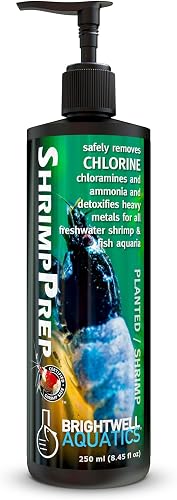
Prime Brightwell Aquatics Shrimp Prep Water Conditioner

Prime Fluval Cycle Biological Enhancer 16.9 Oz A8351
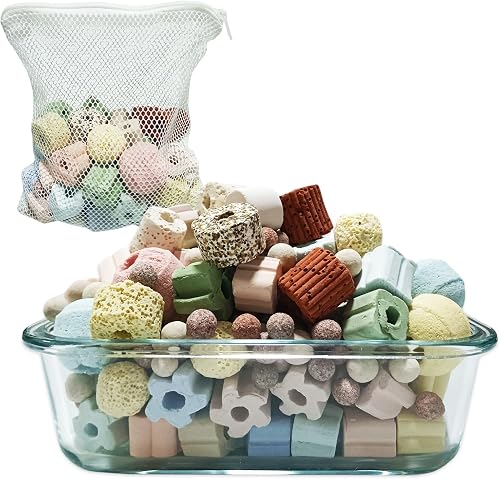
Prime YUNZHIZHAO 12-in-1 Aquarium Bio Filter Media Kit

Prime MICROBE-LIFT Nite-Out II 8oz Aquarium Bacteria
As an Amazon Associate we earn from qualifying purchases. Product prices and availability are accurate as of the date/time indicated.
Pros
- Specifically formulated for shrimp and invertebrates, including copper detoxification
- Handles chlorine, chloramine, ammonia and nitrite in one step for fast water prep
- Phosphate and silicate free, safe for planted tanks
- Suitable for routine changes, new tank setup and emergency ammonia control
- Compact 250ml liquid is easy to dose and store for small to medium aquariums
Cons
- Freshwater only formula, not suitable for saltwater aquariums
- Concentrated liquid requires careful measuring for nano tanks
- Does not replace biological filtration or full tank cycling
Brightwell Aquatics Shrimp Prep is a liquid water conditioner designed for freshwater shrimp tanks and other sensitive aquariums. It is made for shrimp keepers, breeders and planted tank hobbyists who need tap water to be safe on contact.
The formula removes chlorine, chloramines, ammonia and nitrites while also neutralizing heavy metals like copper. In real world use, this means safer water changes, calmer livestock during new tank setup, and added protection against sudden ammonia spikes.
The 250ml bottle is compact, easy to store and simple to dose for routine maintenance. As a clear liquid with no phosphate or silicate, it blends cleanly without clouding water or disrupting nutrient balance in planted systems.
It is not a substitute for a cycled filter, and it is limited to freshwater systems only. Nano tank owners will also need to measure carefully, since a small overdose is easy with concentrated conditioners.
Overall, Shrimp Prep is a smart, targeted choice for anyone keeping cherry shrimp, caridina, snails or delicate community fish. If you want one conditioner that prioritizes invertebrate safety, this is an excellent tank side staple.
Brand: Brightwell Aquatics, Model Number: SPREP250, Item Type: Liquid water conditioner, Volume: 250 ml.
Target Species: Freshwater fish and shrimp, including community tanks, planted aquariums and breeding setups. Safe for plants and invertebrates when used as directed.
Function: Removes chlorine, chloramines, ammonia and nitrites while detoxifying copper and heavy metals. Phosphate free and silicate free formula.
Pros
- Fast acting formula helps establish biological filtration quickly
- Compatible with freshwater and saltwater systems
- Excellent for new tank setups, new fish additions and filter restarts
- Easy liquid dosing from a trusted aquarium brand
Cons
- Needs repeat dosing to keep bacteria colonies stable
- Does not replace filtration, water changes or water testing
- Cycling speed varies with tank size, stocking levels and conditions
Fluval Cycle Biological Enhancer is a liquid bacteria supplement designed to jump start the nitrogen cycle in new and established aquariums. It is ideal for beginners cycling their first tank and for experienced aquarists adding new fish or restarting filtration.
The formula introduces concentrated beneficial bacteria that quickly metabolize harmful ammonia and nitrite. In practice, this helps establish a balanced biological flora faster, supporting safer and more immediate fish introduction when dosed as directed.
The 16.9 oz bottle offers generous coverage for larger tanks and repeated maintenance doses. The liquid formula mixes easily into tank water and is compatible with both freshwater and saltwater systems, plus standard Fluval filters and accessories.
Like all bacterial starters, it is not an instant fix for poor maintenance or overstocking. You will still need proper filtration, regular water testing and water changes, and results can vary with tank size and bioload.
Overall, Fluval Cycle is a reliable and easy to use cycling aid from a trusted aquarium brand. If you want a faster, safer start for a new aquarium and steadier biological balance over time, it is a smart addition to your maintenance kit.
Use Fluval Cycle when setting up a new aquarium, after water changes, when adding new fish, or after filter maintenance. Shake well and dose according to the bottle directions for your tank volume.
For best results, pair it with a quality filter, heater, and regular ammonia, nitrite and nitrate testing. Continue routine dosing to help maintain stable beneficial bacteria colonies and discourage undesirable bacteria growth.
Pros
- All in one variety saves time and guesswork for new tank setups
- Supports both freshwater and saltwater aquariums plus turtle and shrimp tanks
- pH neutral media will not disrupt water chemistry
- Versatile fit for canister, sump and hang on back filters
Cons
- Mixed quantities may not be enough for very large tanks without buying extra
- Requires rinsing before first use to remove dust and fine particles
- Limited long term performance data since it is a relatively new listing
The YUNZHIZHAO 12-in-1 Bio Filter Media Kit is a 1.1 pound all in one set designed for freshwater, saltwater, fish, shrimp and turtle tanks. It is ideal for beginners or anyone upgrading a canister, sump or hang on back filter without buying media separately.
Standout value comes from the 12 piece variety including ceramic rings, bio balls, bio rings, nano rings and bio house media. Together they create massive porous surface area to host beneficial bacteria, helping manage ammonia and nitrites while keeping water clearer with less maintenance.
Build quality feels practical for everyday use, with lightweight, pH neutral media that will not alter water chemistry. The multicolor mix fits easily into filter chambers and baskets, and it works across 3 stage mechanical, biological and chemical filtration setups.
The main tradeoff is that a mixed kit means you get smaller amounts of each media type rather than a bulk pack of one. Some users may need to rinse thoroughly before use and supplement with fine filter pads for polishing very cloudy water.
Overall, this kit delivers convenience, versatility and stable biological support in one compact box. If you want a simple way to seed the nitrogen cycle and maintain a balanced tank, it is an easy recommendation.
Brand: YUNZHIZHAO, Model: YZZ-BioFilter, Size: 1.1lb (500g) multicolor mix for aquarium filtration.
Includes: Ceramic rings, bio balls, bio rings, nano rings, bio house and more for 12 media types total.
Compatibility: Freshwater and saltwater tanks, fish, shrimp and turtle tanks, canister filters, sumps, HOB filters and filter chambers. pH neutral design supports ammonia and nitrite control and beneficial bacteria cultivation.
Pros
- Establishes and maintains nitrification quickly for smoother cycling
- Effective for new setups and for stabilizing established tanks after disruption
- Safe for freshwater and saltwater life, including reefs and planted tanks
- Easy liquid dosing with clear startup and maintenance directions
Cons
- Does not remove nitrate, so water changes are still required
- Needs repeated daily dosing until cycled, not a one dose instant fix for all tanks
- Results can vary with bioload, overfeeding and tank size, patience is still needed
MICROBE-LIFT Nite-Out II is a concentrated live bacteria treatment designed to seed biological filtration in freshwater and saltwater aquariums. It is made for beginners starting a new tank, hobbyists doing fish-in cycling, and anyone restarting filtration after cleaning or medication.
The formula uses Nitrosomonas to convert ammonia to nitrite and Nitrobacter to convert nitrite to nitrate, helping prevent toxic spikes. In real world use, many aquarists report faster cycling, stable readings at 0 ppm ammonia and nitrite, and calmer fish during new introductions.
It comes as an easy dose liquid that is non-toxic, biodegradable and reef safe for community, planted and reef tanks. The 8 ounce bottle suits small to medium setups and works alongside routine water changes and most water conditioners.
It does not directly remove nitrate, so ongoing water changes or a nitrate focused product is still needed. Heavily stocked or overfed tanks may still need patience, light feeding and daily dosing until the biofilter is fully established.
Overall, Nite-Out II is a practical, beginner friendly cycling aid that supports a stable, fish ready ecosphere. If you want a faster, safer start and reliable backup after maintenance, it is a smart addition to your aquarium kit.
Brand: MICROBE-LIFT, Model: NITEH08, Form: Liquid, Volume: 8 fluid ounces.
Use: Freshwater and saltwater aquariums, including community, planted, betta and reef tanks.
Active cultures: Nitrosomonas and Nitrobacter for ammonia and nitrite conversion.
Directions: Shake well, dose at setup then daily until ammonia and nitrite read 0 ppm, then weekly for maintenance.
Shake well before each use to suspend the live bacteria evenly. Dose at new tank setup, then dose daily until test kits show ammonia and nitrite at 0 ppm.
Use after water changes, filter rinsing, medication treatment or adding new fish to support the biofilter. Maintain with weekly dosing or whenever bioload increases.
Pair with light feeding, regular testing and water changes for best results. For nitrate control, combine with water changes or Microbe-Lift Special Blend.
Matching Gear to Your Tank
There is no single best combo for every shrimp keeper. The right pick depends on whether you are starting fresh, seeding from an existing tank, or setting up sensitive shrimp that demand careful water prep. Here is how I would map the example products to common situations.
New Shrimp Only Tank With Fresh Media
If you are starting dry with a new sponge or canister, begin with physical surface first. The 12-in-1 Bio Filter Media Kit – Bio Balls illustrates this approach with ceramic rings, bio balls, nano rings, and other porous shapes in one kit. That variety lets you fill different filter chambers while keeping flow open and giving bacteria many textures to colonize.
Pair that new media with careful water prep from day one. The Brightwell Aquatics Shrimp Prep Shrimp Tank is an example of a conditioner made for shrimp keepers because it addresses chlorine, chloramines, ammonia, and heavy metals including copper. Use conditioned water for every fill and top off, add a small ammonia source to feed the cycle, and test until ammonia and nitrite stay undetectable. Keepers commonly report this stage takes several weeks, so do not rush it.
Seeding A Second Tank Or Boosting Filtration
If you already have a healthy shrimp tank and want to start another one, you can move some mature sponge or media over and support it with a bacterial helper. The MICROBE-LIFT Nite-Out II Aquarium Bacteria shows this category well because it contains live Nitrosomonas and Nitrobacter style cultures meant to convert ammonia to nitrite and then to nitrate. It is useful after filter cleaning, after a crash, or when adding new media alongside old media.
The Fluval Cycle Biological Enhancer fits a similar seeding role for new setups that need an initial bacterial inoculation. Think of these as helpers, not instant cycles. You still need to provide flow, oxygen, and time, and you still need to confirm with your test kit that waste is being processed. Keep a little mature media in the old filter so you do not stall both tanks at once.
Sensitive Caridina Setup Where Water Prep Matters Most
For Crystal or Taiwan Bee shrimp, water stability matters as much as filter surface. Active soil, remineralized RO water, and gentle filtration all play a role, and you can see how substrate choice affects cycling in this guide to shrimp substrate setup ideas for shrimp breeding tank. In these tanks I lean toward simple pH neutral porous media that will not alter chemistry plus very careful conditioning of any tap water used for remineralizing or top offs.
In that context, a shrimp focused conditioner like the Brightwell Aquatics Shrimp Prep Shrimp Tank example makes sense as your baseline defense against metals and disinfectants. Combine it with a bacteria starter only if you need to seed fresh media, and give the tank extra time to mature with biofilm and soft algae before adding shrimp. If your source water is inconsistent, consider aging and testing it separately before it ever touches the display tank.
Common Mistakes
Mistake one is adding shrimp as soon as water looks clear. Clear water tells you nothing about ammonia or nitrite, so always test before and after each step of the cycle. Wait until you can process your ammonia source to nitrate with no lingering ammonia or nitrite, then do a large conditioned water change to reset nitrates before livestock.
Mistake two is treating a bacteria bottle as an instant cycle and overloading the tank on day one. These products can help seed media, but the colony still needs time, oxygen, and surface to grow to full strength. Adding a full shrimp colony at once, overfeeding, or rinsing new media in untreated tap water can stall or wipe out early progress.
Mistake three is mixing approaches meant for different shrimp without a plan. Using tap water conditioner, active soil, and minerals all together without testing can swing pH and hardness while your bacteria are trying to settle. Pick one shrimp genus to target, prep water the same way each time, and avoid swapping conditioners or media types mid cycle unless you have a clear reason.
My Experience
I cycled my small Neocaridina tank with a sponge filter plus a little extra porous media tucked in the back chamber, and I leaned on a bacteria starter and a shrimp safe conditioner while it matured. I fed the empty tank lightly to create waste, tested every evening, and waited until ammonia and nitrite stayed undetectable for several days in a row. That patience paid off with steady molts and the first batch of shrimplets grazing without losses.
Who Should Wait or Buy Differently
If your tank already has mature, stable media and your shrimp are breeding, adding more mixed media or another bacteria bottle is not ideal for you and may disturb a working balance. This type of cycling kit is also not a good fit if you have an active ammonia spike from overfeeding or a dead snail, since you need water changes and source removal first, not more products. Wait until parameters are stable, then upgrade filtration slowly while keeping old media running alongside the new.
Frequently Asked Questions
How do I know my bio media is fully cycled for shrimp?
Your media is ready when your test kit shows your ammonia source is converting fully to nitrate with no lingering ammonia or nitrite over several days. The water should also hold stable pH and hardness for your shrimp type. Add shrimp slowly after a conditioned water change, then keep testing for the first week.
Do I need both a bacteria starter and a water conditioner?
Most tap water setups benefit from both, but they do different jobs. Conditioner makes each batch of new water safe from chlorine, chloramines, and metals. Bacteria starter helps colonize fresh media faster. You still need time, flow, and testing to confirm the cycle is complete.
Can I move cycled media to start a new shrimp tank instantly?
Moving mature sponge or rings is the fastest reliable method, but it is rarely instant. Keep the media wet in tank water during the move, run it alongside new media, and stock lightly at first. Test daily for a while because the smaller bacterial colony needs time to catch up to the new bioload.


Write Your Review
No reviews yet. Be the first to share your experience!