

Video credit: KaveMan Aquatics. Original video: https://www.youtube.com/watch?v=2PAHhVUpNjI. This is our own independent breakdown and is not affiliated with the video creator. As an Amazon Associate, Shrimpyo earns from qualifying purchases. Product prices shown in the video may have changed.
Watch the video
Product breakdown
- AquaClear HOB filter with sponge intake
- Hygger sponge filter
- Aqueon sponge filter
- ATMAN sponge filter
- Eheim biological media
This breakdown is our own summary of the video for reference. Confirm current specs and price on the retailer page before buying.
Watch the Video
This is our own independent breakdown and is not affiliated with the video creator. As an Amazon Associate, Shrimpyo earns from qualifying purchases. Product prices shown in the video may have changed.
Think of this video as a setup in this class for learning how porous bio media and sponge filtration support a stable shrimp tank. If you keep Neocaridina or Caridina, you will see why surface area, gentle flow, and baby shrimp protection matter more than strong pump output.
What This Video Covers
This video from KaveMan Aquatics asks a question many shrimp keepers ask, can porous rock style media really help with nitrates, or does it mainly add surface for normal biological filtration. The channel runs an experiment style look at bio media in an aquarium filter, which is useful because shrimp respond quickly when filtration is unstable or cleaning is too aggressive.
For shrimp, that question is about colony stability rather than chasing a single number. Neocaridina such as cherry shrimp and Caridina such as crystal reds both graze on biofilm all day and produce light but constant waste. You want a filter that holds a large colony of beneficial bacteria, moves water gently, and never pulls newborn shrimplets into an impeller. That is why sponge filters and sponge covered intakes appear so often at this level.
The scale here fits a home shrimp setup in this class, not a large fish room system. Using the sizing listed in our current product data as a reference, the small double sponge unit is suggested for 10 to 40 gallon tanks, while the medium size is suggested for 15 to 55 gallon tanks. For shrimp I read that as one well placed sponge filter for a desktop colony, or two units on opposite ends for a longer tank where you want even circulation without strong current.
One tradeoff at this level is mechanical trapping versus maintenance load. Fine sponges with 60ppi pores and intake foam covers trap particles and protect babies very well, but they can clog faster if you feed heavy powdered foods. You get clearer water and safer shrimplets, yet you must rinse sponges lightly in old aquarium water on a routine schedule. If you want a refresher on technique, see how to choose sponge filter cleaning gear for shrimp tanks.
A second tradeoff is media type versus flow path. Sintered glass such as EHEIM Substrat Pro Biological Filter Media is made to allow better water throughflow and deeper water penetration for bacterial colonization. Ceramic balls and porous rock also work, but they need steady flow around them to stay oxygenated. If flow stalls inside a media chamber, you still get aerobic conversion but you may not get the low oxygen pockets some keepers hope will help with nitrate. For background on cycling and media choices, see how to choose bio media cycling gear for baby shrimp tanks and seachem matrix bio media for shrimp.
Timestamp Breakdown
This is the core of the article. The video shows a setup in this class, not our exact shopping list. Use the table below to match what is common at this level with what you can buy today in November 2026, then read my notes on the choices that matter most for shrimp.
This article contains affiliate links. If you buy through one of our links, Shrimpyo may earn a commission at no extra cost to you. Commissions never influence which products we recommend or how we rank them. Read our Affiliate Disclosure for details.
Quick Picks at a Glance

Prime EHEIM Substrat Pro Biological Filter Media 2L
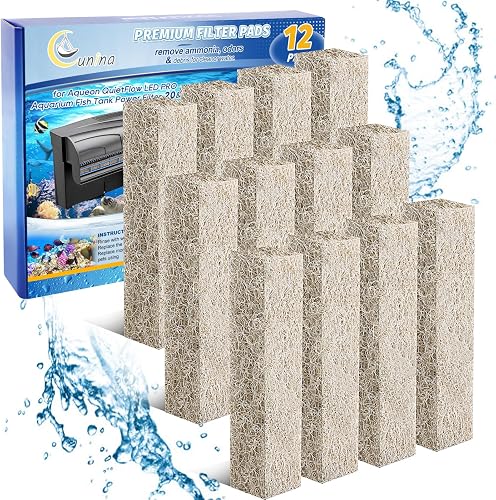
Prime Cunina 12-Pack Ammonia Reducer Filter Cartridges

Prime hygger Double Sponge Filter for 10-40 Gallon

Prime ATITOWEL Aquarium Intake Pre-Filter Sponge for HOB
As an Amazon Associate we earn from qualifying purchases. Product prices and availability are accurate as of the date/time indicated.
Pros
- Huge porous surface area delivers excellent biological filtration capacity
- Pearl shape prevents channeling and keeps water flow even through the filter
- Reusable for months with simple rinsing in aquarium water
- Fits all EHEIM canister filters and works in most other media baskets
Cons
- Needs thorough rinsing before first use to remove fine glass dust
- Requires replacement every 3 to 6 months for peak performance
- 2L volume may not fill larger Pro 3 systems on its own
EHEIM Substrat Pro 2L is a premium biological filter media made of pearl-shaped sintered glass. It is designed for aquarists using EHEIM Classic, Ecco, Pro 3 and Pro 3e filters who want a stable nitrogen cycle and clearer water.
The standout is its highly porous structure with 1800 sq ft of surface area per gallon. In real tanks this means faster bacteria colonization, more effective ammonia and nitrite breakdown, and longer periods of stable, clear water.
Build quality is excellent, with uniform, durable glass pearls that hold their shape and resist clogging. The open, rounded design improves throughflow and water penetration compared to standard ceramic rings or balls.
There are minor drawbacks to note. It needs a pre-rinse to remove dust, and EHEIM recommends light rinsing every 1 to 3 months with replacement every 3 to 6 months. Large canisters may need more than one 2L box for a full fill.
Overall, Substrat Pro is one of the best biological media upgrades for EHEIM owners. If you want stronger biofiltration, healthier fish and less frequent maintenance, it is an easy recommendation.
Brand: Eheim, Model Number: 2510101, Volume: 2 Liters, Form: Sintered glass pellets
Surface Area: 1800 sq ft per gallon, Material: Highly porous artificial sintered glass
Compatibility: All EHEIM Classic, Ecco, Pro 3 and Pro 3e filters, also fits standard media baskets
Care: Rinse lightly with aquarium water every 1 to 3 months, replace every 3 to 6 months
Pros
- Perfect compatibility with Aqueon QuietFlow 20 and 75 LED PRO for hassle-free replacement
- Strong ammonia reduction plus debris and odor control for visibly clearer water
- Easy pre-cut design that rinses quickly and drops straight into the filter chamber
- Value 12-pack provides months of consistent filtration without frequent reordering
- Positive user feedback for fit, water clarity and stable ammonia levels
Cons
- Requires replacement every 2 to 3 weeks, so maintenance is more frequent than long-life media
- Must be rinsed before first use to prevent dust film on the water surface
- Fits only QuietFlow 20 and 75 LED PRO models, not a universal filter solution
The Cunina 12-pack ammonia reducer pads are aftermarket replacements made specifically for Aqueon QuietFlow 20 and 75 LED PRO power filters. They are built for freshwater aquarium owners who want simple, routine chemical and mechanical filtration without buying OEM cartridges.
Each pad targets ammonia, waste, bait residue and odors while trapping fine debris for clearer water. In real tanks, users report stable ammonia levels, less smell and improved clarity in 10-gallon setups and larger systems when changed on schedule.
The pads measure about 3.7 inches long with a dense, flexible sponge structure and consistent pores. The pre-cut shape drops directly into the filter chamber and feels durable enough to handle rinsing without tearing or shedding fibers.
They are not wash and reuse media, so plan on swapping pads every 2 to 3 weeks for best results. You will need to rinse off manufacturing dust first, and a few tanks may need a slight trim for a snug fit.
For QuietFlow 20 and 75 owners, this 12-pack is a practical, low hassle way to keep water clean and fish healthier. If you value easy installation, reliable ammonia control and a long-lasting supply, it is a smart buy.
Compatibility: Aqueon QuietFlow 20 and 75 LED PRO Aquarium Power Filters.
Pad Dimensions: 3.7 inches long, 0.78 inch wide, 0.63 inch high.
Quantity and Material: 12-pack of premium ammonia reducer sponge with dense pores.
Maintenance: Rinse in cool water before use, replace every 2 to 3 weeks.
Rinse each pad thoroughly in cool water to remove dust and prevent surface film. Avoid rubbing hard to protect the fiber structure.
Place the pad directly into the filter chamber of your QuietFlow 20 or 75. No cutting or tools are needed for most setups.
Replace on a 2 to 3 week cycle to maintain ammonia control and flow. Check water clarity and odor as helpful change reminders.
Pros
- Very quiet operation, ideal for bedrooms and offices
- Gentle flow perfect for bettas, shrimp, fry and planted tanks
- Comes complete with ceramic media balls and spare sponges for added value
- Easy to assemble, mount and clean with fully detachable parts
Cons
- Requires separate air pump and 4mm air hose, not included
- May be underpowered for larger or heavily stocked tanks, may need two units
- Fine sponges need regular rinsing to prevent clogging and reduced flow
The hygger Double Sponge Filter Small is an air driven internal filter designed for 10 to 40 gallon freshwater and saltwater aquariums. It is ideal for shrimp, bettas, fry and breeding tanks where gentle flow and safety matter more than strong current.
It combines mechanical, biological and oxygenation functions in one compact unit, with two fine 60ppi sponges plus chambers for ceramic media balls. In daily use it keeps water clear and stable while producing soft bubbles that boost oxygen without stressing small livestock.
The filter measures about 6 inches wide with an adjustable 9 to 13 inch height, and mounts firmly with dual suction cups. All parts detach for easy assembly, the outlet tube extends and rotates to set flow above or below the waterline, and the transparent media containers make maintenance simple.
You will need your own air pump and standard 4mm airline tubing, as they are not included, so choose a pump rated for your tank size. Fine sponges can clog faster in messy tanks and need gentle rinsing in old tank water, and large or heavily stocked aquariums may need two filters.
Overall, this is a practical, low maintenance solution for small to medium community, shrimp and nursery tanks. With spare sponges and bio media included, easy cleaning and quiet operation, it offers reliable biological filtration for delicate aquatic life.
Brand: hygger, Set: Double Sponge Filter Set Small, Tank Rating: 10 to 40 gallons for freshwater and saltwater use.
Dimensions: 6 x 1.8 x 9 inches adjustable to 13 inches height, Weight: 10.55 ounces, Material: plastic with fine 60ppi foam.
Included: 1 double sponge filter with 2 media containers, 1 bag ceramic media balls, 2 spare sponges. Requires air pump and 4mm air hose, sold separately.
Connect a suitable air pump with standard 4mm airline to the filter inlet and place the media balls and sponges in position before submerging. Mount vertically with the suction cups and adjust the outlet tube height to control surface agitation.
Allow 2 to 4 weeks for beneficial bacteria to colonize the sponges and ceramic media, and avoid cleaning with tap water. Squeeze sponges gently in removed tank water during water changes to preserve filtration.
Pros
- Convenient 4-pack covers multiple tanks or provides ready replacements
- Easy to install, remove and rinse for quick maintenance
- Adds mechanical pre-filtration that helps protect livestock and filter impeller
- Helps maintain steady water flow while reducing internal filter buildup
Cons
- Fit may be loose or snug on some unlisted HOB models, check the 0.87 inch opening first
- Needs regular rinsing in tank water to prevent flow reduction in messy tanks
- Designed for filters under 50 gallons, not ideal for larger or canister intakes
The ATITOWEL intake foam set includes four pre-filter sponges designed for hang-on-back filters on tanks under 50 gallons. It is made for aquarists keeping fry, dwarf shrimp, snails or small community fish that need intake protection.
In daily use, the sponge traps uneaten food, plant debris and fine particles before they reach the impeller. That helps keep water clearer, reduces clogging inside the main filter and extends time between media changes while maintaining steady flow.
Each sponge measures about 3.54 by 1.97 inches with a 0.87 inch inner hole that slides directly over most standard intake tubes. The foam feels soft yet resilient, and it fits listed models including Aquaclear intakes, Aqueon QuietFlow 50, 55/75 and 75, plus Fluval C3 and C4.
Fit is not universal, so some off brand tubes may feel loose or snug and should be measured first. Like any pre-filter, it needs regular rinsing in tank water, especially in heavily stocked or planted tanks where debris builds up quickly.
Overall, this is a practical, easy to use upgrade for small to medium HOB setups. If you want simple protection for delicate livestock plus cleaner filter operation, this 4-pack is a smart addition to your maintenance kit.
Pack Quantity: 4 intake sponge covers
Dimensions: Approx. 3.54 x 1.97 inch H x W
Inner Hole Diameter: 0.87 inch
Compatibility: HOB filters under 50 Gal, Aquaclear intakes, Aqueon QuietFlow 50, 55/75 and 75, Fluval C3, C4
Function: Mechanical pre-filtration and intake protection for fry, shrimp and small fish
| Timestamp | Part | Common at this level | Our 2026 pick | Why |
|---|---|---|---|---|
| Not listed | setup | a similar setup in this class | AquaClear HOB filter with sponge intake | A grounded, currently sold option in the sponge bio filter category. |
| Not listed | gear | a similar setup in this class | Hygger sponge filter | A grounded, currently sold option in the sponge bio filter category. |
| Not listed | gear | a similar setup in this class | Aqueon sponge filter | A grounded, currently sold option in the sponge bio filter category. |
| Not listed | gear | a similar setup in this class | ATMAN sponge filter | A grounded, currently sold option in the sponge bio filter category. |
| Not listed | gear | a similar setup in this class | Eheim biological media | A grounded, currently sold option in the sponge bio filter category. |
The most shrimp critical choice is baby protection on any powered intake. Pre filter sponges on power filter intakes protect baby shrimp regardless of which sponge filter brand you choose. The Aquarium Filter Intake Foam for HOB Filter is a simple cover that slides directly onto the water inlet, traps particles and debris, and helps prevent small inhabitants from being drawn into the filter. Sponge filter sizing depends on tank volume and bioload, not shrimp count alone, so match the foam and filter size to your tank and feeding level.
The second key choice is the main biological engine. The Hygger Aquarium Double Sponge Filter combines bio filtration, oxygenation, and physical filtration in one air driven unit with gentle flow. It includes two containers plus ceramic media balls and two spare sponges packed in the containers, and it uses fine sponges that provide more surface for beneficial organisms. You must supply your own air pump and standard 4mm air hose, so plan for a pump sized to your tank.
The third choice is the loose media you place in a filter chamber or in the sponge filter media cups. The EHEIM Substrat Pro Biological Filter Media is made of highly porous sintered glass with pearl shaped pieces meant to improve throughflow. The maker notes it can be lightly rinsed with aquarium water every 1 to 3 months and replaced every 3 to 6 months. The Replacement Filter Cartridges Compatible pads fit Aqueon Quietflow 20 and 75 style power filters and are suggested for replacement every 2 to 3 weeks, which tells you they act more as polishing and chemical pads than as long term bio homes.
My Experience
I keep Neocaridina cherry shrimp in a 10 gallon tank with a double sponge filter as the main filter and a small HOB with a foam intake cover for extra polishing. I like the Hygger style layout because the parts are detachable, the suction cups hold it firmly under water, and the outlet tube can be extended and rotated above or below the waterline. When I clean, I squeeze only one sponge at a time in old tank water and leave the other sponge plus the ceramic balls undisturbed.
When I added sintered glass media similar to EHEIM Substrat Pro Biological Filter Media to the HOB chamber, water clarity and stability improved after a few weeks, but I did not see it as a nitrate remover on its own. What it did well was hold bacteria through light cleanings and longer intervals between maintenance. For shrimplets, the biggest win was still the intake foam, since I stopped finding babies in the filter box after I added it. You can browse more options in the Sponge Filter + Bio Filter archive.
Comparison and Alternatives
If you compare the Aquarium Filter Intake Foam for HOB Filter with the Hygger Aquarium Double Sponge Filter, you are comparing protection versus a complete filter. The intake foam is a cover for a HOB you already own, with an approximate size of 3.54 x 1.97 inch and an inner hole diameter of 0.87 inch. It fits intakes on many HOB units under 50 gallons and is easy to slide on and rinse. It does not add air driven circulation on its own.
The Hygger double sponge is a standalone biological filter that needs an air pump and hose. The small size is listed at 6 inch in width and 9 to 13 inch in height with a 0.39 inch inner circle, while the medium is listed at 6.3 inch in width with a 0.59 inch inner circle. It brings two fine sponges plus a bag of bio ceramic media balls, so you get both sponge surface and loose media in one footprint. For a shrimp only tank, I prefer starting with this type of unit because flow stays gentle and babies can graze directly on the sponge.
For loose media, the EHEIM sintered glass pearls suit keepers who want a reusable chamber media with open structure and longer service intervals. The compatible Aqueon style pads suit keepers who want simple drop in polishing in a Quietflow style HOB. Do not treat those thin pads as permanent bio media, since the maker guidance points to frequent replacement. If you use them, keep your permanent bacteria home on sponge or sintered media and change pads gently.
Who should not buy this way. If you run a very heavily stocked community tank with large waste producers, a single small sponge alone will clog often and you will be cleaning constantly. If you dislike air pumps, tubing, and bubbles in a bedroom tank, an air driven double sponge may annoy you. In those cases, use a larger HOB or canister with a well fitted intake sponge and a chamber full of reusable sintered media, and keep sponge count matched to tank volume and bioload.
Three Ways to Set This Up
Adapt quantity and size to your own tank volume. Sponge filter sizing depends on tank volume and bioload, not shrimp count alone, and intake foam must fit your specific filter tube.
Budget: AquaClear HOB filter with sponge intake for Neocaridina starter tank
Use the HOB you already own plus Aquarium Filter Intake Foam for HOB Filter on the intake. This pack includes four covers, so you can rotate a clean one in while you rinse the dirty one in old tank water. This suits a first cherry shrimp tank where you want simple polishing, baby protection, and less clogging with efficient flow.
Add a small amount of reusable sintered media in the HOB chamber if space allows, and keep the stocking light while biofilm builds. Rinse, do not scrub, the intake foam so you keep bacteria alive.
Balanced: Hygger sponge filter for Caridina tank we recommend
Use Hygger Aquarium Double Sponge Filter as the main filter with its two fine sponges and ceramic media balls. The detachable sponges make it easy to clean one side at a time, and the suction cups let you place it firmly where flow reaches the whole tank. This suits a crystal red or mixed Caridina tank where gentle flow, grazing surface, and stable bacteria matter.
Pair it with a separate air pump and 4mm hose sized to your tank, and keep a spare sponge cycled if you plan to set up a second tank. Clean with aquarium water only, never tap water, to protect the colony.
Higher end: Aqueon sponge filter path for Taiwan Bee tank
Use a Quietflow style HOB fitted with Replacement Filter Cartridges Compatible pads for polishing plus EHEIM Substrat Pro Biological Filter Media as the long term bio home. The pads help capture debris and remove odors, while the sintered pearls provide open structure for colonization. This suits a Taiwan Bee keeper who wants clear water plus a stable chamber media that allows longer intervals between maintenance.
Keep intake foam on at all times for shrimplets, replace pads on schedule every 2 to 3 weeks as suggested, and rinse the sintered media lightly only when flow drops. Do not change all media at once, so bacteria always remain in the system.
FAQ
Can Seachem Matrix style media reduce nitrates in a shrimp tank.
In a typical shrimp HOB or sponge filter with good flow, porous media mainly supports aerobic bacteria that convert ammonia and nitrite. Keepers commonly report lower nitrates after adding more media, but that often comes from a larger, more stable bacteria colony and better maintenance rather than true low oxygen denitrification. For shrimp, focus on steady feeding, regular water changes, and plants or water change routine rather than expecting media alone to remove nitrate.
Do I need an intake sponge if I already run a sponge filter.
Yes if you run any power filter alongside sponge filtration. Sponge filters are safe for babies to graze on, but an open HOB intake can still pull in newborn shrimplets. A foam cover on the inlet traps debris and keeps babies out while adding extra biological surface.
How often should I clean sponge filters and bio media for baby shrimp.
Clean only when flow drops or sponges look full, and always use removed aquarium water. For sponge filters, rinse or squeeze one sponge at a time so one side stays mature. For sintered glass, a light rinse every 1 to 3 months is listed in our data, with replacement every 3 to 6 months, while thin polishing pads need more frequent changes.
Final Verdict
For most shrimp keepers, gentle sponge surface plus protected intakes beats chasing a single miracle media. Build bacteria capacity with sponge and reusable porous media, keep flow steady, and clean lightly so shrimplets always have biofilm to graze.
Our pick: the balanced Hygger sponge filter setup for a Caridina tank, with intake foam on any HOB and sintered glass as long term media, because it gives baby safety, grazing area, and stable filtration without strong current.
These picks are not ideal for very large or heavily stocked tanks that need stronger mechanical filtration; a sponge or bio filter alone may not keep up with a high bioload.


Write Your Review
No reviews yet. Be the first to share your experience!