

Learning how to clean a sponge filter is really about protecting your cycle while restoring flow. You are deciding when to rinse, what water to use, and how much brown gunk to leave for your bacteria and grazing shrimplets. Your shrimp species and hardiness, tank size in general terms, current water parameters, and budget for spares all shape that call.
This framework will help you choose foam and covers you can clean gently for years, updated for November 2026. We will cover what actually matters for cleaning, look at a few options that show the range, then match methods to real shrimp setups. For broader background, browse our sponge and bio filter guides alongside this article.
What Actually Matters
Clean for Bacteria First, Looks Second
A sponge filter is a living home for beneficial bacteria, not just a strainer. When flow slows or the surface looks brown and matted, your goal is to remove loose waste while leaving biofilm inside the pores. Think gentle squeezing in old tank water, never scrubbing it clean like a kitchen sponge.
Use water you siphoned during a water change and keep the sponge wet the whole time. Keepers commonly report that strong tap jets, hot water, or letting foam dry out sets them back, so they avoid those for the main rinse. You want the sponge to look cleaner but still feel slimy, that sliminess is working filtration.
Clean in stages instead of trying to get it perfect in one session. Squeeze, dunk, release, and repeat a few times until water coming out is only lightly tinted. If flow is still weak after a gentle pass, rinse again at the next water change rather than wringing harder today.
Pore Structure, Fit, and Flow Recovery
Coarse foam clogs slower and is easier to squeeze clean, while fine foam polishes water better but needs lighter and more frequent attention. For shrimp, most keepers lean toward medium to coarse because shrimplets graze on the surface and you do not want to strip it bare. Watch your outflow or bubble stream as your gauge, when it weakens noticeably, it is time for a light rinse.
Fit matters as much as foam density. A pre filter cover should slide on snug without stretching thin or slipping off, and an internal sponge should sit upright without collapsing or floating. A loose cover lets babies slip past the intake, while an overstretched one thins out and clogs faster at the stretched spots.
Pay attention to how foam recovers after squeezing. Quality sponge springs back and holds its shape, while tired foam stays compressed or tears at the edges. If yours stays flat or sheds bits after gentle handling, plan to rotate in a cycled spare instead of fighting with worn material.
Shrimp Species, Babies, and Bioload
Neocaridina colonies are hardy and produce lots of tiny shrimplets that love grazing filter surfaces. Caridina types are often more sensitive to sudden shifts, so you want even gentler cleanings and smaller disturbances around the rinse. In both cases, babies are the reason you never blast foam under a strong jet where you cannot see what washes off.
Bioload sets your rhythm more than any calendar. A heavily fed breeding tank with powdered baby food and dense stock clogs faster than a lightly stocked planted tank with grazing adults. If your current intake still traps newborns, read about baby safe sponge filters for shrimp tanks because cleaning alone will never fix a fundamentally unsafe intake.
Before you squeeze, give shrimplets a chance to move off. Lift the sponge slowly, swish it gently in a bucket of tank water, and check the bucket for babies before you dump it. Many keepers shine a flashlight into the rinse bucket and net out any hitchhikers back into the tank.
Spares, Shape, and Reusability
Good foam holds up well to being rinsed and reused and allows great water flow when it is maintained lightly. Some covers arrive flattened in a vacuum bag and puff up to normal shape after you unpack and rinse them, which is normal and not a defect. Having spares lets you rotate, so one piece stays mature in the tank while another gets a light rinse.
Shape details change how you clean. Note whether the hole goes all the way through the sponge or is closed at one end, since a closed end helps block shrimplets from entering at the tip. A simple roll shape is easy to squeeze evenly, while odd shapes can trap debris in corners that need extra dunking rather than harder wringing.
Rinse the sponge roll periodically based on the bio load of your aquarium tank rather than on a rigid schedule. If you feed heavily, clean lightly and more often. If your tank is lightly stocked and planted, you can often go longer between gentle rinses without losing flow.
Below are a few options that show the range of what shrimp keepers actually use for intake protection and extra bio surface. Use them to compare size, fit range, and maintenance style rather than as a ranked list.
This article contains affiliate links. If you buy through one of our links, Shrimpyo may earn a commission at no extra cost to you. Commissions never influence which products we recommend or how we rank them. Read our Affiliate Disclosure for details.
Quick Picks at a Glance
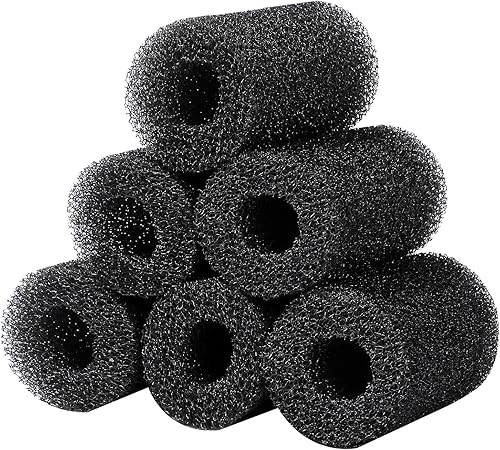
Prime AQUANEAT 6-Pack Aquarium Pre-Filter Sponge for 1
As an Amazon Associate we earn from qualifying purchases. Product prices and availability are accurate as of the date/time indicated.
Pros
- Excellent protection for delicate shrimp, fry and snails
- Improves mechanical filtration and reduces main filter clogging
- Durable foam holds up well to repeated rinsing and reuse
- Great value with six replacements included for multiple tanks
Cons
- Fit is limited to compatible intake sizes, so measuring before ordering is essential
- Arrives vacuum flattened and needs rinsing and expanding before first use
- Requires regular rinsing in high bioload tanks to prevent reduced flow
The AQUANEAT 6-Pack Pre-Filter Sponge is made for freshwater aquarists keeping shrimp, fry, snails and other small livestock. It slides over the filter intake to create a soft barrier that keeps tiny tank mates safe on HOB filters, canister filters and powerheads.
In daily use, it catches flake food, plant bits and large floating debris before they reach the main filter. That helps keep water clearer, protects impellers from clogging, and extends time between filter cleanings while maintaining steady flow.
Each sponge measures 3.9 x 2.2 inches with a 1-inch inner hole that stretches to fit intakes from 1.1 to 1.34 inches. The foam is soft, elastic and closed on one end, and it rinses clean for repeated reuse without falling apart.
Fitment is the main thing to watch, as the hole does not go all the way through and only suits the specified size range. They also arrive flattened in a vacuum bag, so you need to unpack, rinse and let them puff up, plus rinse periodically to avoid flow restriction.
For shrimp breeders and community tank owners, this is a practical, low cost upgrade that adds safety and filtration in seconds. With six in the pack, it is an easy way to protect multiple tanks and keep spares on hand.
Brand: AQUANEAT
Quantity: 6 pcs pre-filter sponges
Outer Size: 3.9 x 2.2 inches, 10 x 5.5 cm
Inner Hole Diameter: 1 inch, 2.5 cm, stretches to fit 1.1 to 1.34 inches, 28 to 34 mm
Compatibility: HOB filters, canister filters, powerheads with matching intake size
Design: Closed-end foam cover, vacuum packed, expands after rinsing
Matching Gear to Your Tank
Here is how to apply the framework to common shrimp setups without overcleaning. Pick the scenario closest to yours and adjust based on flow and baby activity.
Small Neocaridina tank with a hang on back filter: your main risk is shrimplets getting pulled into the intake. Look for a snug pre filter cover like AQUANEAT 6-Pack Pre-Filter Sponge for Aquarium with a 10×5.5cm size and inside hole around 2.5cm that accommodates intakes in the 28 to 34 mm range due to stretch. You clean it by slipping it off, squeezing gently in old tank water, and sliding it back on, which leaves your main media untouched.
Because that type of pack includes several pieces, you can keep a rinsed spare ready for quick rotation. Keepers commonly report swapping covers so the tank always has mature foam while the other gets a light rinse and air dries briefly before storage. It also helps to plan rinse water ahead by reading about storing remineralized RO water for water changes so temperature and parameters stay close.
Breeding tank with heavy feeding and lots of babies: expect faster clogging from powdered food and mulm. Choose covers you can rinse lightly and often, and never clean every sponge surface on the same day. Squeeze the intake cover one week and leave the main sponge alone, then alternate, so filtration capacity stays stable for sensitive newborns.
Planted low bioload tank with sensitive shrimp: go gentle and less frequent. A slightly coarser foam that catches large particles while letting water pass will need less squeezing and preserves grazing biofilm. When you do rinse, use a small bucket of tank water, check for babies, and return the sponge quickly so it stays wet and warm.
Common Mistakes
Mistake 1: Rinsing under hot tap water or wringing until spotless. That strips biofilm and can expose bacteria to chlorine and temperature shock, which often shows up as cloudy water or stressed shrimp the next day. Always squeeze lightly in old tank water and accept a light tint left in the foam.
Mistake 2: Cleaning every sponge at once or replacing all foam in one day. In a shrimp tank that removes too much filtration at the same time, especially before new foam has had time to colonize. Stagger cleanings, keep at least one mature surface undisturbed, and give new foam time to cycle in alongside old media while you maintain stable source water for shrimp tanks.
Mistake 3: Ignoring fit and baby safety on intakes. A cover that is too loose slips and leaves a gap, while one forced onto an oversized intake stretches thin and lets shrimplets through. Measure your intake diameter carefully, check snug fit after each cleaning, and replace covers that stay stretched out or slide too easily.
My Experience
I keep a Neocaridina colony in a small planted tank with a hang on back plus a pre filter cover for shrimplet safety. I stopped deep cleaning and switched to a quick squeeze of the cover in my water change bucket while leaving the main sponge alone, and flow stayed steady without stressing berried females. Having a few spares that puffed up nicely after rinsing made rotation easy and kept grazing surface available for babies.
Who Should Wait or Buy Differently
If your flow is still strong and shrimplets are not getting trapped, you may not need new foam right now, just a lighter rinse routine. This type of fine pre filter cover is not ideal for oversized intakes outside its stretch range or for tanks where you want zero maintenance, since fine foam will clog and need attention. In those cases consider a coarser internal sponge setup or browse other options in the sponge filter category before you buy.
Frequently Asked Questions
How often should I rinse my sponge when learning how to clean a sponge filter?
Rinse periodically based on bio load, not on a fixed date. When bubbles weaken or the cover looks matted, do a light squeeze in old tank water and leave biofilm intact. Heavily fed breeding tanks need lighter and more frequent rinses than lightly stocked planted tanks.
Can I use tap water to clean a sponge filter?
It is better to use old tank water for the main rinse to protect bacteria from chlorine and temperature swings. If you must use tap, keepers commonly report treating it first and matching temperature closely, but still finishing with a dunk in tank water. Never use hot water or let the sponge dry out completely.
How do I avoid harming baby shrimp while cleaning?
Lift the cover slowly and swish gently in a light colored bucket so you can spot shrimplets. Check the bucket with a flashlight before discarding water and net any babies back to the tank. Cleaning only one sponge surface at a time also leaves safe grazing areas for newborns.




Write Your Review
No reviews yet. Be the first to share your experience!