

If you are sorting through shrimp substrate setup ideas for shrimp breeding tank builds, you are really deciding how stable life will be for newborn shrimplets. Substrate sets your pH direction, holds biofilm where babies graze, and gives them cover during those fragile first weeks. Get the foundation right and daily care gets simpler, get it wrong and you will chase water values while berried females drop eggs.
Before you buy, weigh four variables together: your shrimp species and hardiness, your tank size and scape plan, your current water parameters from tap or remineralized RO, and your budget. As of September 2026, most breeders choose either an active buffering soil for Caridina or a gentler clay based soil for Neocaridina colonies. You can browse our active soil and substrate guides to see how those choices age in real tanks.
What Actually Matters
Buffering Power Versus Inert Stability
Active soils pull pH down and hold it in a soft and acidic zone, which is what Caridina Taiwan bees and Crystal shrimp want for breeding. Inert or very lightly buffering clay soils stay closer to neutral to slightly acidic conditions, which suits Cherry shrimp and other Neocaridina that tolerate a wider range. Your choice here matters more than color or brand, because it decides whether your water stays where babies molt cleanly.
To weigh it, test your source water first and be honest about your routine. If your tap comes out hard and alkaline, an active soil will work hard and exhaust faster, while remineralized RO gives you longer and more predictable buffering life. If you keep hardy Neocaridina in tap water, you usually want stability over strong buffering, so pick a soil that supports plants and biofilm without constantly dragging pH down. Our Active Soil + Substrate archive has more background on how buffering fades over time.
Grain Size, Porosity and Root Support
Grain size controls how plants root, how waste sits, and how easily babies move. Fine powder granules let delicate carpet roots spread without getting crushed, while slightly larger rounded grains resist compacting and keep flow around the roots. Porous structure matters just as much, because those tiny pores become housing for beneficial nitrifying organisms that help keep ammonia in check.
When you compare bags in hand, look for grains that feel light and uniform instead of dusty or sharp. For breeding tanks with mosses, stem plants, or carpet attempts, choose a non compacting soil that lets roots penetrate and spread while still holding a slope. If you run a bare bottom style grow out section, you still want some textured area where biofilm can anchor, since shrimplets graze almost constantly.
Depth, Coverage and How Long It Lasts
Depth is your buffer reserve. A deeper bed in back holds pH longer and gives plants more root room, while a thin dusting up front looks clean but exhausts faster. You can extend buffering life by using more substrate volume, which is why dedicated Caridina breeders often build a real slope instead of a flat skim coat. Shallow setups can still breed shrimp, you just need to plan on testing more often and refreshing sooner.
Think in terms of coverage and maintenance, not just looks. A smooth slope that is deeper in back and shallower near the glass makes siphoning easier and keeps food where you can see it. Rinse nothing aggressively, add soil gently, and let the tank cycle fully so bacterial colonization catches up before shrimp arrive. Active soils are consumables, so expect performance to fade gradually and plan a replacement or reset when pH starts climbing and breeding slows.
Shelter, Biofilm and Baby Survival
Breeding success often comes down to whether newborn shrimp find food and hiding spots in the first days. High porosity substrates grow biofilm quickly and offer tiny crevices where shrimplets can hide from tank mates and flow. That living film is first food, so a soil that supports quick colonization gives your colony a head start even before you add powdered foods.
Weigh shelter as part of the substrate system, not as decoration alone. Low mounds, leaf litter pockets, mosses, and small caves pressed into the soil create shaded lanes where babies feel safe enough to graze in the open. If your scape is very open and bright, add more broken sight lines at substrate level rather than adding more soil depth you do not need.
To make these tradeoffs concrete, here are a few options that show the range you will see when you shop. Use them to compare buffering intent, grain feel, and extras like hides for babies.
This article contains affiliate links. If you buy through one of our links, Shrimpyo may earn a commission at no extra cost to you. Commissions never influence which products we recommend or how we rank them. Read our Affiliate Disclosure for details.
Quick Picks at a Glance
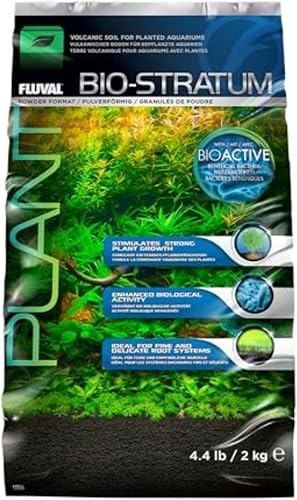
Prime Fluval Bio-Stratum Volcanic Aquarium Soil

Prime Fluval Plant and Shrimp Stratum 17.6 lbs

Prime Aqueon Plant and Shrimp Aquarium Substrate 5lb

Prime RareShrimp ShrimpSoil Pro 1L Aquarium Soil

Prime HERPDEN 2-Pack Shrimp Hide Aquarium Cave
As an Amazon Associate we earn from qualifying purchases. Product prices and availability are accurate as of the date/time indicated.
Pros
- Activates on contact with water to help cycle new aquariums faster
- Lightweight porous granules promote healthy root penetration and spreading
- Mineral rich formula supports dense foliage and vibrant plant color
- Provides added biological filtration surface for stable water quality
Cons
- Fine granules can cloud water if disturbed during planting or water changes
- Lightweight texture can shift under strong filter flow or with digging fish
- 4.4 lb bag suits nano tanks only, larger aquascapes need multiple bags
Fluval Bio-Stratum is a volcanic soil substrate made for freshwater planted aquariums and aquascaping. It is best for beginners cycling a new tank and for hobbyists growing carpeting plants, stem plants and shrimp colonies.
Its standout feature is infused dormant nitrifying organisms that activate in water to break down waste and lower ammonia. In real tanks, this helps new setups stabilize faster while the mineral rich soil feeds plants for fuller growth and stronger color.
The substrate uses fine 1mm porous granules that stay loose and resist compacting like gravel or sand. This open texture lets delicate roots penetrate easily while giving beneficial bacteria plenty of surface area for colonization.
It is not perfect, as the light powder granules can cloud water if poured too fast or disturbed. The soft pellets also break down over time and the small bag size means larger tanks will need several bags for proper depth.
Overall, Fluval Bio-Stratum offers an excellent balance of plant nutrition, root friendly texture and biological support. If you want a low maintenance substrate that helps plants thrive and water stay stable, it is a smart pick for planted tanks.
Brand: Fluval, Model 12696 Bio-Stratum Volcanic Soil
Size and Texture: 4.4 lbs, 70.4 ounces, fine 1mm porous powder granules
Type: Natural mineral rich aquarium substrate for planted freshwater tanks
Function: Supports plant growth, root development, waste breakdown and biological filtration
Best For: Live plants, tropical fish, shrimp, aquascaping and new tank cycling
Use about 1 to 2 inches of depth in front with a deeper slope in back for rooted plants and aquascaping. One 4.4 lb bag suits small nano tanks, while larger tanks will need multiple bags for full coverage.
Do not rinse before use, just spread the dry substrate evenly then place a plate on top when filling. Pour water slowly to prevent clouding and to protect the fine granules.
Expect mild cloudiness and softening of water at first, which is normal for active volcanic soils. Cycle the tank fully before adding sensitive shrimp or fish, and avoid deep vacuuming to preserve bacteria and nutrients.
Pros
- Excellent root penetration for faster, fuller live plant growth
- Helps stabilize pH in the ideal range for shrimp and soft water tropical fish
- Porous granules provide large surface area for beneficial bacteria
- Natural appearance, does not discolor water when used as directed
Cons
- Lightweight granules can be stirred up by digging fish or strong filter flow
- Soft pellets can break down over time and may need refreshing in high tech tanks
- Buffers pH lower, so not ideal for African cichlids or other hard water species
Fluval Plant and Shrimp Stratum is a volcanic soil substrate made for freshwater planted aquariums, especially tanks with dwarf shrimp, bettas and community tropical fish. It is best for hobbyists who want live plants to root quickly and thrive without using plain gravel or sand.
In real tanks, roots penetrate the light granules easily, which encourages denser growth and better nutrient uptake when paired with liquid micronutrients. The porous structure also gives beneficial bacteria plenty of surface area, which helps keep the tank cycled and stable for sensitive livestock.
The granules have a natural dark look that makes green plants and colorful shrimp stand out, while the non compacting texture keeps the bed aerated for roots. It settles cleanly without tinting water and helps reduce organic discoloration from driftwood in aquascaped setups.
The lightweight texture is gentle on bottom dwellers and shrimplets, but it can be disturbed by large digging fish or powerful filters. It also buffers pH toward slightly acidic, so it is not the right choice for hard water species that need alkaline conditions.
Overall, this is one of the most reliable planted tank substrates for beginners and experienced aquascapers alike. If you keep live plants with shrimp or soft water tropical fish, it delivers healthy growth, clean water and a natural finished look.
Brand: Fluval, Model: 12695, Type: Plant and Shrimp Stratum freshwater aquarium substrate.
Form: Porous granules, Size: 17.6 lb bag, Dimensions: 4.5 x 12 x 19 inches.
Use: Freshwater planted tanks for fish and shrimp, supports neutral to slightly acidic pH.
Choose the 17.6 lb bag for medium to large tanks or deeper planting beds, smaller bags suit nano and betta tanks. Plan for about one inch to two inches of depth for most rooted plants.
Add substrate dry, plant stems directly into the moist granules, then fill slowly to avoid clouding. Avoid heavy rinsing, as it can break down the nutrient rich granules.
Pair with liquid plant micronutrients and moderate lighting for best growth. Avoid mixing with alkaline gravels if keeping soft water shrimp or pH sensitive plants.
Pros
- Holds shape without breaking down into muddy soil like traditional substrates
- Versatile for planted tanks, shrimp colonies, community fish and aquatic turtles
- Natural brown color enhances aquascapes and helps plants stay anchored
- Easy to set up and maintain for beginners and experienced hobbyists
Cons
- 5-pound size may require multiple bags for larger tanks or deep substrate beds
- Freshwater only, not suitable for saltwater or brackish setups
- Light clay pellets can shift with digging turtles or large active fish and may need rinsing to prevent initial cloudiness
Aqueon Plant and Shrimp Aquarium Substrate is a 5-pound clay-based aqua soil made for freshwater planted tanks, shrimp colonies, and turtle habitats. It is a smart pick for beginners and aquascapers who want a natural foundation that supports both plants and animals.
In real world use, it provides a stable base that anchors stems and carpeting plants while letting roots spread easily. Because the pellets resist compacting, water keeps flowing through the bed which helps maintain healthier roots and a cleaner looking tank.
The build centers on small, round brown clay pellets that hold their shape over time instead of turning to mush. The texture looks natural, feels gentle for bottom dwelling shrimp, and layers well for slopes, hills, and detailed aquascapes.
There are a few tradeoffs to consider. The 5-pound bag covers small tanks well but larger setups will need extra bags for proper depth, and the lightweight pellets can be moved by turtles or large diggers. A quick rinse before adding water also helps limit initial cloudiness.
Overall, this is a reliable, versatile substrate for anyone building a freshwater planted or shrimp tank with natural style. If you want easy planting, steady root support, and a clean aquascape look, it is a strong value choice.
Brand: Aqueon, Model: Plant and Shrimp Aquarium Substrate, Size: 5 Pounds
Material: Premium clay, Color: Brown, Shape: Spherical pellets
Use: Freshwater planted tanks, shrimp habitats, community tanks and aquatic turtle aquariums
Item Model Number: 100534685, ASIN: B07HGKK59Q
Pros
- Trusted buffering formula used by Taiwan champion breeders for Caridina setups
- Supports both shrimp health and plant growth in one substrate
- Porous grains encourage biofilm and nitrifying bacteria colonization
- Fine texture protects shrimplets and allows easy root penetration
Cons
- Buffering capacity fades after about 12 months so annual replacement is needed
- 1L volume suits nano tanks but larger aquascapes will need multiple bags
- Low pH range is excellent for Caridina but may be too acidic for Neocaridina or hard water species
ShrimpSoil Pro by RareShrimp is a 1L professional buffering aquasoil made for freshwater shrimp tanks and planted aquascapes. It is built primarily for Caridina keepers who need soft, acidic, and stable water, but it also works well for aquasoil plant setups.
The standout feature is active pH buffering to 5.2 to 5.8, which helps keep parameters steady for sensitive shrimp. In real world use, deeper substrate beds extend buffering life and help lower pH further, while porous grains support biofilm grazing and faster biological maturity.
The soil has a fine, uniform grain that looks natural in nano and show tanks and allows roots to spread easily. High porosity encourages nitrifying bacteria colonization, which supports cleaner water, better nutrient uptake, and lush plant growth over time.
The main tradeoff is maintenance, since buffering lasts about 12 months and then the substrate should be replaced. The 1L size is perfect for small tanks, but larger layouts need more bags, and the low pH focus is not ideal for Neocaridina that prefer neutral to slightly alkaline water.
Overall, ShrimpSoil Pro is a strong choice for Caridina breeders, shrimplet survival, and high end aquascapes. If you want stable acidic water, healthy plants, and proven breeder grade performance, this soil is worth considering.
Brand: Rare Shrimp, Model: ShrimpSoil Pro 1L
Volume and Weight: 1 liter, 1.85 pounds, package 11.26 x 6.77 x 1.65 inches
Buffering Range: pH 5.2 to 5.8 for soft, acidic freshwater conditions
Use: Freshwater shrimp substrate, aquarium plant substrate, aquascapes and aquasoil setups
Performance Life: Designed for up to 12 months with annual replacement recommended
Use a deeper bed if you need stronger or longer buffering, as more soil increases acid buffering capacity. Rinse lightly or not at all per breeder guidance, then slope from back to front for planting and flow.
Pair the soil with a bacteria starter like Rare Shrimp cycling powder and allow about 30 days to fully cycle before adding sensitive Caridina. Test pH, GH, KH, ammonia, nitrite, and nitrate regularly during cycling.
Choose this soil for Caridina Crystal and Bee shrimp plus acidic loving plants. For Neocaridina Cherry shrimp or hard water fish, consider a neutral substrate or a thinner cap to avoid pH that is too low.
Pros
- Effective refuge for shrimplets and fry in community and betta tanks
- Smooth, durable construction with no sharp edges to harm shrimp or fish
- Excellent visibility for observing shrimp without lifting the hide
- Blends well with black substrate and installs in seconds with no tools
- Good value with two hides included per pack
Cons
- Lacks inner corner support leg, can tilt or feel less sturdy on uneven substrate
- Determined guppies or small fish may push in unless braced with rocks or sand
- Best suited for square corner tanks, larger than expected and tricky to clean inside
The HERPDEN 2-Pack Black Shrimp Hides are corner sector caves designed for Cherry, Dwarf and Neocaridina shrimp in community tanks. They are ideal for keepers with bettas, guppies or other fish where babies and molting shrimp need a secure retreat to thrive.
Standout features include the 180-degree curved front for easy viewing and multi-sized holes for free movement in and out. In real tanks, shrimp quickly claim the caves for shelter and feeding, and babies stay hidden safely while adults forage nearby.
Design is simple and practical, with a low profile black finish that disappears against dark substrate. The plastic body feels robust with smooth edges, and the base presses directly into gravel or sand to stay anchored in active tanks.
Drawbacks center on stability and fit. Without an inner corner leg, the hide can tilt on uneven substrate and determined fish can sometimes push their way in. It also fits square corners best and the enclosed shape makes deep cleaning awkward.
Overall, this is a smart, functional shelter for dwarf shrimp keepers who want better survival and viewing. If you run a community or breeding setup and need affordable, shrimp specific cover, this 2-pack is an easy recommendation.
Brand: HERPDEN, Model 0520, Sector Design in Black
Pack Size: 2 Count shrimp hides for aquarium corners
Dimensions: 5.5 inches D x 1.3 inches W x 4 inches H, lightweight plastic construction
Compatibility: Designed for Cherry, Dwarf and Neocaridina shrimp, not for Ghost or Amano shrimp
Setup: Press base into substrate with no tools, add food inside to attract shrimp
Matching Gear to Your Tank
Scenario one is a dedicated Caridina breeding tank where you want soft and acidic water that stays put. Look for a professional buffering soil that is built to hold a low pH window, and use a real depth so the buffer lasts. The ShrimpSoil Pro – Freshwater Shrimp & Aquatic Plant is the clearest example of this approach, since it is made to buffer to a stable pH of 5.2-5.8 and you add more volume to extend life and pull pH lower if needed. Pair it with RO water, leaf litter, and moss at substrate level for grazing.
Scenario two is a Neocaridina colony or a planted community where you want healthy plants without aggressive pH swings. Here a mellow clay based soil that keeps its spherical shape and supports root development is often easier to live with. The Fluval 12695 Plant and Shrimp Stratum aims for neutral to slightly acidic conditions with shelter for newborn shrimp and help with water clarity, while the Aqueon Plant and Shrimp Aquarium Substrate stays spherical over time to avoid compacting and suits planted tanks, shrimp habitats, and aquascaping layouts. Choose the higher-end pick if you want stronger plant support, or the simpler clay option if you value a stable, low fuss bed.
Scenario three is a new breeder setup that needs to cycle with confidence plus better baby viewing. A bioactive volcanic soil with fine powder grains can help jumpstart the nitrogen cycle and add biological filtration surface, which is useful when you are seeding a fresh filter. The Fluval 12696 Volcanic Soil Bio Stratum for Planted follows that idea with lightweight grains for root spread and dormant nitrifying organisms that activate on contact with water. Add the 2-Pack Black Shrimp Hides for Aquarium pressed lightly into the bed for dual hiding spots, multi sized holes for dwarf shrimp, and a curved front that lets you watch behavior without lifting cover. You can find more layout context in our substrate setup notes before you scape.
Common Mistakes
Mistake one is mixing soils meant for different shrimp genera in one tank. A strong Caridina buffer capped with an inert gravel, or two active brands layered together, can give you cloudy water and a pH that swings while layers settle. Pick one buffering strategy for the whole footprint and stick with it for that colony.
Mistake two is adding shrimp before the soil has settled and cycled. Fresh active soil can release ammonia early, and bacterial films need time to colonize those porous grains. Cycle the tank, test source and tank water before and after water changes, and only add breeders once readings hold steady between changes.
Mistake three is choosing the wrong grain or depth for your plants and cleaning style. Powder that is too fine in a high flow corner will drift and smother babies, while a bed that is too shallow loses buffering quickly and will not hold rooted plants. Slope gently, keep flow soft at substrate level, and leave an open feeding zone you can siphon without disturbing the whole bed.
My Experience
I run a small Neocaridina colony with mosses and a few easy stems, so I chose a clay based rounded soil that would hold shape, let roots spread, and give shrimplets places to duck under. I built it deeper in back for plants and thin up front for feeding, added two small caves at substrate level, and waited until biofilm was clearly grazing ready before moving in berried females. Survival of the first batches was noticeably better once babies had both porous grains and shaded hides to rotate between.
Who Should Wait or Buy Differently
If you keep hard water livebearers or African cichlids that need high pH and mineral content, an active buffering shrimp soil is not ideal for your goals and will fight your water chemistry. It is also not the right choice if you want a no water change, no testing setup, since buffering soils still need regular testing and eventual refresh to keep breeding steady. In those cases, wait and choose an inert sand or gravel matched to your fish, or set up a separate small shrimp breeding tank where you can control the substrate system.
Frequently Asked Questions
Do I need active buffering soil to breed shrimp?
Not always. Hardy Neocaridina often breed well on stable clay soils in neutral to slightly acidic water with good biofilm. Caridina Taiwan bees and Crystals breed far more reliably on active soils that hold soft and acidic conditions steady.
How deep should substrate be in a breeding tank?
Think slope, not a flat number. Keep it deeper in back for roots and buffering reserve, and shallower up front where you feed and observe babies. If breeding slows and pH drifts upward over time, that is a sign the buffering reserve is fading.
Can I add hides and moss instead of more soil for baby survival?
Yes, and you should. Porous soil grows grazing biofilm, while caves, mosses, and leaf pockets add shade and escape routes at substrate level. That combination, plus gentle flow and steady water, does more for shrimplet survival than extra depth alone. See our breeding tank soil resources for layout ideas.
Write Your Review
No reviews yet. Be the first to share your experience!