

If you are comparing shrimp sand substrate setup ideas for shrimp breeding tank projects in 2026, you are really choosing how much work you want your substrate to do. Inert sand leaves your water chemistry alone and puts the focus on stability and visibility, while active clay soils buffer and support roots but eventually exhaust. Your shrimp species and hardiness, the footprint of your breeding tank, your source water parameters, and your budget for setup and replacement will narrow the choice fast.
In this guide I will give you a simple framework for weighing those trade offs so you can set up a colony that breeds steadily and is easy to clean. I keep both Neocaridina and soft water colonies, and I lean on our Active Soil + Substrate references when I plan a new rack. Use the ideas below to match sand type, color, and layout to the shrimp you actually keep.
What Actually Matters
Inert Sand Versus Buffering Active Substrate
Start with chemistry, because it decides everything else. Inert quartz style sand does not meaningfully add or remove minerals, so your pH and hardness stay close to what comes from your tap or remineralized RO water. That predictability is why many Neocaridina breeders prefer it, especially when their source water is already stable and moderately hard. If your colony is thriving in your current water, inert sand lets you keep that recipe without fighting your substrate.
Buffering substrates made from baked clay do the opposite. They gently pull pH down and soften water for a time, which suits soft water shrimp and heavy planting, but that effect fades and the pellets slowly soften. You will need to test before and after setup, and plan for eventual replacement rather than a set and forget bed. Check our active soil and substrate guides if you are torn between genera, and avoid mixing buffering and inert materials to average chemistry, since that creates unstable swings.
Grain Size, Shape, and Compaction
For breeding, look closely at grain uniformity and how the bed behaves under flow. Fine, rounded, evenly graded sand forms a smooth carpet where waste sits on top instead of falling into cracks, which makes gentle siphoning around shrimplets much easier. Dense sand with very few fines is ideal because it stays put under a sponge filter or low flow and will not cloud the tank every time a berried female fans.
Skip very coarse or sharply angular mixes for baby tanks. Large gaps trap powdered food and waste where babies forage, and thick compacted pockets can go stale if the bed is laid too deep and never lightly maintained. You want a thin, even layer that you can hover clean with a small siphon without lifting clouds of debris. Rounded grains are kinder for foraging and let biofilm coat evenly for newborn grazing.
Color, Contrast, and Colony Observation
Color is not just style in a breeding tank, it changes how much you see. Pale sugar white sand brightens a small tank, makes dark red, blue, and black Neocaridina pop for culling, and shows biofilm and algae clearly. The trade off is that every speck of molt, poop, and leftover food also shows, so pale beds look dirty faster and can reflect a lot of light, which sometimes makes shy new arrivals hide more at first.
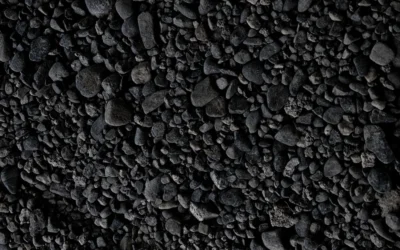
Dark soils and shadowed shelter do the opposite. They hide waste, calm skittish shrimp, and give berried females and fresh shrimplets places to feel secure, but they can make it harder to spot tiny clear babies or track culls. Many breeders solve this with zones, a bright open foraging area in front and darker cover in back. Think about your lighting too, since strong light over white sand grows algae faster and needs more wiping.
Cycling Help, Biofilm, and Long Term Upkeep
Sand itself is not a filter, but it hosts the biofilm babies eat in their early days. A brand new sterile bed offers very little grazing, so plan for a proper cycle in period with plants, leaf litter, or filter media from a mature tank. Some sands come seeded with live nitrifying bacteria to help start that process, which can shorten the awkward new tank phase, but you still need to feed the cycle lightly and test until ammonia and nitrite stay undetectable.
Long term, ask how much work each option needs. Inert sand never exhausts, you just hover clean during water changes and top up thin spots where siphoning pulled grains away. Active soils need more care, they should not be deeply vacuumed or roughly stirred because that breaks pellets and releases dust, and they will need full replacement when buffering fades. If you breed for volume, that replacement cost and teardown time matter as much as day one looks.
To make this concrete, here are a few options that show the range from bright inert sand to clay based breeding soils and simple shelter ideas you can pair with sand:
This article contains affiliate links. If you buy through one of our links, Shrimpyo may earn a commission at no extra cost to you. Commissions never influence which products we recommend or how we rank them. Read our Affiliate Disclosure for details.
Quick Picks at a Glance

Prime Aqua Natural Sugar White Sand 10lb

Prime Aqua Natural Sugar White Sand Bio-Substrate 5lb

Prime Aqueon Plant and Shrimp Aquarium Substrate 5lb

Prime U.P. Aqua Shrimp Sand Substrate for Breeding

Prime HERPDEN 2-Pack Shrimp Hide Aquarium Cave
As an Amazon Associate we earn from qualifying purchases. Product prices and availability are accurate as of the date/time indicated.
Pros
- Keeps water remarkably clear when added slowly
- Dense, soft texture is comfortable for corys, loaches and other bottom dwellers
- Brightens tank and creates a clean natural ocean floor look
- Easy to plant in, shape into slopes and vacuum during maintenance
Cons
- Light rinsing in a bucket is still recommended before first use
- Color is a natural off-white cream rather than a stark pure white
- Larger tanks over 20 gallons will need multiple bags for proper depth
Aqua Natural Sugar White Sand is a 10lb natural aquarium substrate designed for freshwater tanks, aquascaping layouts, vivariums and terrariums. It is a great fit for beginners and experienced hobbyists who want a bright, clean bottom that highlights fish and plants.
In real world use, it settles quickly and keeps water clear when poured gently over a plate or plastic bag. The dense 0.5 to 1mm grains stay in place under normal filtration, making planting and rescaping easy while remaining soft enough for bottom dwellers to sift and rest on.
The build quality stands out thanks to triple washing and kiln drying that removes dust, toxins and foreign matter. The natural off-white sugar texture looks clean without artificial dyes, and it holds slopes and contours well for aquascaping.
It is not a pure stark white, it reads more as a warm natural cream, which some buyers may not expect. A quick rinse in a bucket is still recommended to remove any residual fines, and larger tanks will need multiple bags for proper depth.
Overall, this is one of the cleanest and most versatile white sands for home aquariums. If you want a bright, fish safe substrate that is easy to maintain and works with any decor, this is very recommended.
Brand: Aqua Natural, Model Number SUGAR010, Item Type: Aquarium Substrate for aquariums, aquascaping, vivariums and terrariums.
Color: Off White Sugar, Grain Size: 0.5 to 1mm, Material: Natural sand, triple washed and kiln dried with zero fines.
Size: 10lb bag, Dimensions: 13.39 x 2.36 x 8.66 inches, Best for: freshwater fish tanks, planted tanks, vivariums and terrariums.
Rinse the sand in a bucket with clean water until runoff looks mostly clear, then spread 1 to 2 inches across the tank bottom. One 10lb bag typically covers a 10 to 15 gallon tank at about 1.5 inches deep.
To keep water crystal clear, place a plate or plastic bag over the sand and pour water slowly onto it. Shape slopes with your hand after filling, then vacuum lightly during water changes without stirring deeply.
Pros
- No-rinse setup that users report clears to crystal clear water quickly with filtration
- Fine, soft grains are gentle on barbels and make waste easy to siphon or net
- Live bacteria helps jump-start the nitrogen cycle in new or upgraded aquariums
- 100% natural, sustainably sourced sand looks clean and supports planted tanks
Cons
- 5lb bag provides only a thin layer, larger or 10 gallon tanks often need multiple bags
- Color is creamy off-white rather than bright pure white, which may disappoint some buyers
- Water can cloud initially and light sand shows debris more readily between cleanings
Aqua Natural Sugar White Sand Bio-Substrate is a 5lb natural freshwater sand pre-seeded with live nitrifying bacteria for faster tank cycling. It is made for beginners, aquascapers and planted tank owners who want a clean, ready to use substrate.
Its standout feature is the patented blend of live nitrosomonas and nitrobacter that helps convert ammonia into nitrates. In real tanks, users report easy no-rinse setup with light cloudiness that clears quickly with filtration, plus strong support for live plants.
The sand itself is sustainably sourced, triple washed and kiln dried with a fine, uniform sugar grain. That soft texture is gentle on bottom dwellers while providing large surface area for beneficial bacteria colonies.
It is not perfect, as the 5lb size covers only a thin layer and larger tanks will need multiple bags. The tone is also a warm off-white cream rather than stark white, and light colors naturally show waste sooner.
Overall, this is an excellent choice if you want beauty plus biological function in one bag. For cycling support, plant growth and a fish friendly finish, it delivers strong ease of use and natural appeal.
Do not rinse. Use as a primary substrate or add to new or existing aquariums. For best results, mix 1 part live bio-substrate with 4 parts dry Aqua Natural Sugar White Sand.
Use about 1lb of mixed substrate per 1 gallon of water to achieve proper depth for plants and bacteria colonization. Spread evenly, fill slowly to minimize cloudiness, then run filtration as normal.
Brand: Aqua Natural, Model: Bio-Substrate BIOFRESH008, Size: 5 LBS. Color: Off White, Material: Natural Stone Sand.
Use: Freshwater aquariums including planted tanks. Features: Triple washed, kiln dried, seeded with live bio-active nitrifying bacteria.
Pros
- Holds shape without breaking down into muddy soil like traditional substrates
- Versatile for planted tanks, shrimp colonies, community fish and aquatic turtles
- Natural brown color enhances aquascapes and helps plants stay anchored
- Easy to set up and maintain for beginners and experienced hobbyists
Cons
- 5-pound size may require multiple bags for larger tanks or deep substrate beds
- Freshwater only, not suitable for saltwater or brackish setups
- Light clay pellets can shift with digging turtles or large active fish and may need rinsing to prevent initial cloudiness
Aqueon Plant and Shrimp Aquarium Substrate is a 5-pound clay-based aqua soil made for freshwater planted tanks, shrimp colonies, and turtle habitats. It is a smart pick for beginners and aquascapers who want a natural foundation that supports both plants and animals.
In real world use, it provides a stable base that anchors stems and carpeting plants while letting roots spread easily. Because the pellets resist compacting, water keeps flowing through the bed which helps maintain healthier roots and a cleaner looking tank.
The build centers on small, round brown clay pellets that hold their shape over time instead of turning to mush. The texture looks natural, feels gentle for bottom dwelling shrimp, and layers well for slopes, hills, and detailed aquascapes.
There are a few tradeoffs to consider. The 5-pound bag covers small tanks well but larger setups will need extra bags for proper depth, and the lightweight pellets can be moved by turtles or large diggers. A quick rinse before adding water also helps limit initial cloudiness.
Overall, this is a reliable, versatile substrate for anyone building a freshwater planted or shrimp tank with natural style. If you want easy planting, steady root support, and a clean aquascape look, it is a strong value choice.
Brand: Aqueon, Model: Plant and Shrimp Aquarium Substrate, Size: 5 Pounds
Material: Premium clay, Color: Brown, Shape: Spherical pellets
Use: Freshwater planted tanks, shrimp habitats, community tanks and aquatic turtle aquariums
Item Model Number: 100534685, ASIN: B07HGKK59Q
Pros
- Clean, low dust formula that requires little rinsing and does not cloud water
- Uniform tiny bead texture is gentle for shrimplets and easy for plant roots to spread
- Maintains structure over a year of use without turning to mush
- Supports both shrimp breeding and planted nano aquascapes in one substrate
Cons
- Coverage is limited, one bag only covers part of a 10 gallon tank so larger tanks need multiple bags
- Very lightweight grains can make it tricky to anchor new plants until roots establish
- More of a pelleted soil than true sand, which may surprise buyers expecting fine sand
U.P. Aqua Shrimp Sand is a pelleted aquarium substrate designed specifically for freshwater dwarf shrimp keepers. It suits cherry shrimp, bee shrimp and other small colony breeds, plus micro fish in planted nano tanks.
Its standout formula focuses on high trace mineral content with lower plant nutrient levels to support molting, growth and breeding. Long term users report healthy berried females, active babies and stable water around 6.0 pH, while carpeting plants root easily.
In the tank it looks like small uniform beads rather than fine sand, with a clean natural finish. The grains hold their shape well over time without crumbling, rinse clear with very little dust and make sloping and aquascaping simple.
Coverage is the main tradeoff, as one bag covers only part of a standard 10 gallon setup so larger scapes need extra bags. The grains are also very light, which can make new plants float up before roots take hold.
Overall, this is a strong pick for shrimp focused aquarists who want a clean, durable and breeding friendly base. If you want true fine sand or heavy planting substrate, look elsewhere, but for shrimp colonies it performs reliably.
Brand: U.P. Aqua, Model Number D-550 for freshwater shrimp tanks
Form: Small uniform pellet grains, bagged dry substrate for aquascaping
Target Species: Dwarf freshwater shrimp including cherry, bee and hybrid types
Recommended Use: Shrimp breeding, colony maintenance and planted nano tanks
Key Formula: Lower plant nutrients with added trace minerals to support shrimp health
Pros
- Effective refuge for shrimplets and fry in community and betta tanks
- Smooth, durable construction with no sharp edges to harm shrimp or fish
- Excellent visibility for observing shrimp without lifting the hide
- Blends well with black substrate and installs in seconds with no tools
- Good value with two hides included per pack
Cons
- Lacks inner corner support leg, can tilt or feel less sturdy on uneven substrate
- Determined guppies or small fish may push in unless braced with rocks or sand
- Best suited for square corner tanks, larger than expected and tricky to clean inside
The HERPDEN 2-Pack Black Shrimp Hides are corner sector caves designed for Cherry, Dwarf and Neocaridina shrimp in community tanks. They are ideal for keepers with bettas, guppies or other fish where babies and molting shrimp need a secure retreat to thrive.
Standout features include the 180-degree curved front for easy viewing and multi-sized holes for free movement in and out. In real tanks, shrimp quickly claim the caves for shelter and feeding, and babies stay hidden safely while adults forage nearby.
Design is simple and practical, with a low profile black finish that disappears against dark substrate. The plastic body feels robust with smooth edges, and the base presses directly into gravel or sand to stay anchored in active tanks.
Drawbacks center on stability and fit. Without an inner corner leg, the hide can tilt on uneven substrate and determined fish can sometimes push their way in. It also fits square corners best and the enclosed shape makes deep cleaning awkward.
Overall, this is a smart, functional shelter for dwarf shrimp keepers who want better survival and viewing. If you run a community or breeding setup and need affordable, shrimp specific cover, this 2-pack is an easy recommendation.
Brand: HERPDEN, Model 0520, Sector Design in Black
Pack Size: 2 Count shrimp hides for aquarium corners
Dimensions: 5.5 inches D x 1.3 inches W x 4 inches H, lightweight plastic construction
Compatibility: Designed for Cherry, Dwarf and Neocaridina shrimp, not for Ghost or Amano shrimp
Setup: Press base into substrate with no tools, add food inside to attract shrimp
Matching Gear to Your Tank
Use these common breeding setups to see how the framework applies. Find the one closest to your water and goals, then borrow the layout logic even if you choose a different bag.
For a Neocaridina cull and grow out colony where visibility matters, look at inert pale sand beds like Aqua Natural Substrate, Sugar White Sand, 10lb. It is triple washed and kiln dried with a dense composition and no fines so it stays put, and that off white sugar color makes cherry and blue shrimp easy to grade. The con is honest upkeep, waste shows quickly and bright beds can encourage algae under strong light, so plan on light feeding and gentle surface siphoning.
For a planted breeding tank where roots and softer water matter more, consider clay based options like Aqueon Plant and Shrimp Aquarium Substrate or Shrimp Sand. The first maintains a spherical shape to support root development without compacting into mud, while the second is made with lower plant nutrient levels plus trace minerals meant for shrimp colonies and small uniform grains that suit breeding. The cons are real, active pellets can cloud if you rescape roughly, they soften with age, and they are a poor pick if you already have hard tap water and thriving Neocaridina.
For a brand new breeder rack that needs a faster start and more baby cover, pair a seeded sand like Aqua Natural Sugar White Sand Bio-Substrate 5lb with 2-Pack Black Shrimp Hides for Aquarium. The seeded sand is designed to be used alone or mixed with plain white sand and to bring in bio active nitrifying bacteria, while the hides press into the substrate and give shrimplets multi sized holes and a curved viewing front. Do not treat seeded sand as instant, you still must cycle and test, and the hides are sturdy plastic with a modern look that will not suit every aquascape and are sized for dwarf shrimp rather than larger Amano types.
Common Mistakes
Setting the bed too deep and cleaning too little. Thick sand traps food and waste where babies feed, then releases it all when you finally disturb it. Keep the layer thin and even, hover the surface lightly, and leave deep vacuuming alone in breeding tanks.
Mixing substrate chemistries to chase a middle value. Blending buffering soil with inert sand, or topping one with the other, rarely gives you stable middle water. It gives you unpredictable buffering that fades unevenly. Pick one strategy per tank based on your shrimp genus and stick with it.
Skipping baby proofing and cycle time. Fine sand that blows around under strong flow will bury food and stress newborns, and bare new tanks with no biofilm, moss, or hides leave shrimplets exposed. Cycle fully, baffle flow, protect filter intakes with sponge, and add cover before berried females release.
My Experience
I run a small cherry breeding tank on pale inert sand with moss, leaf litter, and two small caves pressed into the back corners, and as of September 2026 it is my most consistent producer. I chose inert sand because my source water was already stable for Neocaridina and I wanted to see culls clearly without digging through soil, and I added seeded sand from an established setup plus mature sponge media to build biofilm faster. Babies graze the sand surface all day, waste stays where I can siphon it, and the only chore I regret skipping at first was adding hides sooner since berried females clearly prefer to release near cover.
Who Should Wait or Buy Differently
If you keep sensitive soft water Caridina on RO water and need strong buffering and low pH stability, a plain inert white sand bed alone is not ideal for you, and you should look at active soils in our Active Soil + Substrate section instead. You should also wait if your tank is still cycling, if you plan to move the rack soon, or if you want a heavily planted display where root feeders need richer clay, since sand alone will leave you supplementing more and rescaping sooner.
Frequently Asked Questions
Can I breed Neocaridina on plain white sand?
Yes, many keepers breed cherries and other Neocaridina on inert sand with great success when their water is already stable. Focus on biofilm, gentle flow, hiding spots, and regular light feeding, and the pale color will actually help you spot babies and culls.
Do I need active soil for a breeding tank?
Not always. Active clay soil helps if you keep soft water shrimp or want strong plant growth with buffering, but it adds replacement cost and upkeep. For hardy Neocaridina in stable water, inert sand is simpler and never exhausts.
How do I clean sand without harming shrimplets?
Use a small siphon and hover just above the surface to lift waste without pulling sand, working in sections so babies can move away. Siphon into a light bucket and check it before dumping, then top off slowly with matched temperature water to avoid stirring the bed.
Write Your Review
No reviews yet. Be the first to share your experience!