

If you are searching for the best treatment for vorticella on shrimp, you are probably seeing tiny white stalks, bells, or fuzzy tufts on the rostrum, antennae, legs, or swimmerets. The decision you are really making is not which bottle kills it fastest, but how to choose supportive water care that helps affected shrimp molt cleanly while you lower the organic load that lets vorticella thrive.
To choose well, weigh four variables together: your shrimp species and hardiness, your tank size and whether you have a quarantine container, your current water parameters and water source, and your budget for ongoing maintenance. Caridina bee shrimp need softer, carefully remineralized water, Neocaridina adapt to a wider range but still suffer when ammonia, chlorine, copper, or sudden shifts stress them, and no conditioner alone cures an attached protozoan without quarantine and cleaner husbandry.
What Actually Matters
Start With Source Water Safety, Not Medication Strength
Vorticella outbreaks often follow stress, shipping, overfeeding, or a filter hiccup that raises dissolved organics. Before you think about dips or tank additives, make sure every water change is free of chlorine, chloramine, ammonia, and heavy metals like copper. You want a shrimp-specific conditioner that clearly states it neutralizes those threats and is made for invertebrates, plants, and delicate species.
When you compare labels, look for whether it handles both chlorine and chloramine, whether it binds ammonia and nitrites for immediate use, and whether it mentions copper and other metals. If you use tap water, this step matters every single change. If you use RO or distilled water, you still need safe handling and storage, plus a separate plan for adding minerals back.
Match Minerals to Your Shrimp Genus
Caridina and Neocaridina do not want the same mineral recipe. Caridina bee shrimp and most soft-water types do best in low KH water with GH added separately, which is why GH-only formulas exist without KH buffering. Neocaridina colonies usually want both GH and some KH stability, so a GH-only product is the wrong tool for their main tank unless you already know why you are using it.
Check whether a remineralizer says it restores calcium, magnesium, potassium, and sodium for molting and osmoregulation without altering KH or pH, and whether it is labeled specifically for Caridina, soft-water, or biotope tanks. For chemistry products, always follow the manufacturer dosing chart for your specific product, start with a smaller dose than the label suggests in a new tank, and test the water after dosing. You can learn more about mineral strategy in our GH/KH Mineral + RO Water guides.
Dosing Control for Small Tanks and Hospital Containers
Vorticella care often means moving a few shrimp to a small quarantine tub for observation, cleaner water, and easier molting. In a two to five gallon hospital setup, a highly concentrated formula can easily overshoot if it only offers a large cap for a big tank. Look for a convenient drop cap, clear drops-per-gallon guidance, and a way to measure one milliliter or less accurately.
You should also consider total treatment capacity and bottle size in the context of your routine. A very concentrated conditioner that treats a large total volume can be practical for frequent small changes, while a larger remineralizer bottle makes more sense if you mix RO water weekly for several tanks. Pick the format you can dose consistently without rushing, because rushed dosing causes more shrimp losses than vorticella itself.
Support Clean Molts and Lower Organics Instead of Chasing a Cure in a Bottle
Vorticella attaches to the shell, so shrimp often clear light cases by molting in clean, stable water and leaving the old shell behind. That means your real treatment plan is quarantine, gentle flow, reduced feeding, gravel vacuuming, and stable temperature and minerals. Botanicals, active soil, and biofilm can help stability, but they do not replace removing uneaten food and detritus.
When you evaluate any supportive product, ask whether it helps that plan or complicates it. Does it keep tap water safe without adding extra slime or scent? Does it maintain proper general hardness and total dissolved solids without swinging pH? If you keep Caridina, stable parameters and good husbandry matter more than switching brands, as explained in our how to choose thermometers and temp gear for caridina shrimp resource.
To make this concrete, here are a few options that show the range from concentrated tap water conditioners to Caridina-specific remineralizers. Use them to compare concentration, dosing style, and genus fit rather than as direct cures:
This article contains affiliate links. If you buy through one of our links, Shrimpyo may earn a commission at no extra cost to you. Commissions never influence which products we recommend or how we rank them. Read our Affiliate Disclosure for details.
Quick Picks at a Glance

Prime Crystalpro Shrimp Aqua Conditioner 125ml
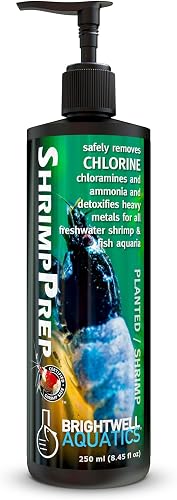
Prime Brightwell Aquatics Shrimp Prep Water Conditioner

Prime Brightwell Aquatics Caridina GH+ Shrimp Mineral

Prime Brightwell Aquatics Caridina GH+ Shrimp

Prime Brightwell Aquatics Caridina GH+ 500ml RO/DI
As an Amazon Associate we earn from qualifying purchases. Product prices and availability are accurate as of the date/time indicated.
Pros
- Extremely concentrated formula lasts through many water changes and top offs
- All in one protection against chlorine, ammonia and heavy metals plus trace minerals
- Gentle on juvenile shrimp, fish and snails according to user experience
- Precise dropper cap prevents waste and overdosing
Cons
- Has an unpleasant smell straight from the bottle noted by users
- Requires 30 minute wait time for full ammonia and metal neutralization, not instant
- Must dose carefully as overdosing requires a water change to correct
Crystalpro Shrimp Aqua Conditioner is a concentrated water treatment made specifically for freshwater shrimp tanks including Caridina, Neocaridina, crayfish and snails. It is built for hobbyists using tap water or RODI water who need reliable dechlorination plus mineral support in one product.
Its standout strength is the all in one formula that permanently removes chlorine, binds chloramine and ammonia, and neutralizes toxic heavy metals. In real world use, keepers report healthy juveniles, successful molts and stable tanks across regular water changes and top offs with only 1 to 2 drops per gallon.
The 125ml bottle uses a convenient drop cap for clean and precise dosing, with about 15 drops per ml and a 7ml capful measure. The liquid formula mixes easily into change water and includes binder salts, EDTA, magnesium sulphate and potassium iodide to support shrimp health.
There are a few tradeoffs to know. The solution has a strong odor in the bottle that fades once diluted, and it needs a 30 minute rest after mixing for full effect on ammonia and metals. Careful measuring is also important since overdosing is not recommended.
For shrimp keepers wanting a concentrated, mineral enriched conditioner that stretches far and simplifies water prep, this is a smart pick. It delivers dependable protection for sensitive invertebrates with minimal effort and excellent dosing control.
Brand: CrystalproAquatics, Model: Shrimp Aqua Conditioner, Volume: 125ml or 4.22 fluid ounces in liquid form.
Coverage: Treats up to 1250 gallons or 5000 liters, standard dose is 5ml for 50 gallons of change water.
Function: Removes chlorine and chloramine while binding ammonia and toxic heavy metals for freshwater invertebrate tanks.
Ingredients: Binder salts, EDTA, magnesium sulphate, potassium iodide, includes added minerals for shrimp and crayfish.
Pros
- Specifically formulated for shrimp and invertebrates, including copper detoxification
- Handles chlorine, chloramine, ammonia and nitrite in one step for fast water prep
- Phosphate and silicate free, safe for planted tanks
- Suitable for routine changes, new tank setup and emergency ammonia control
- Compact 250ml liquid is easy to dose and store for small to medium aquariums
Cons
- Freshwater only formula, not suitable for saltwater aquariums
- Concentrated liquid requires careful measuring for nano tanks
- Does not replace biological filtration or full tank cycling
Brightwell Aquatics Shrimp Prep is a liquid water conditioner designed for freshwater shrimp tanks and other sensitive aquariums. It is made for shrimp keepers, breeders and planted tank hobbyists who need tap water to be safe on contact.
The formula removes chlorine, chloramines, ammonia and nitrites while also neutralizing heavy metals like copper. In real world use, this means safer water changes, calmer livestock during new tank setup, and added protection against sudden ammonia spikes.
The 250ml bottle is compact, easy to store and simple to dose for routine maintenance. As a clear liquid with no phosphate or silicate, it blends cleanly without clouding water or disrupting nutrient balance in planted systems.
It is not a substitute for a cycled filter, and it is limited to freshwater systems only. Nano tank owners will also need to measure carefully, since a small overdose is easy with concentrated conditioners.
Overall, Shrimp Prep is a smart, targeted choice for anyone keeping cherry shrimp, caridina, snails or delicate community fish. If you want one conditioner that prioritizes invertebrate safety, this is an excellent tank side staple.
Brand: Brightwell Aquatics, Model Number: SPREP250, Item Type: Liquid water conditioner, Volume: 250 ml.
Target Species: Freshwater fish and shrimp, including community tanks, planted aquariums and breeding setups. Safe for plants and invertebrates when used as directed.
Function: Removes chlorine, chloramines, ammonia and nitrites while detoxifying copper and heavy metals. Phosphate free and silicate free formula.
Pros
- Targets Caridina needs without unwanted KH or pH shift
- Balanced mineral ratio helps support clean molts and osmoregulation
- Liquid form allows precise dosing for small shrimp aquariums
- Works for both shrimp and planted soft water biotopes
Cons
- 125 ml bottle may run out quickly on larger or multiple tanks
- Does not provide KH buffering, so some setups need a separate KH product
- Requires careful dosing to avoid TDS swings in nano tanks
Brightwell Aquatics Caridina GH+ is a liquid mineral supplement designed to remineralize reverse osmosis, deionized and very soft water. It is made for keepers of Caridina Bee shrimp and soft water biotopes who start with purified water.
It restores essential calcium, magnesium, potassium and sodium in ratios that support molting, osmoregulation and plant growth. In real world use, it helps hold stable GH and TDS without pushing KH or pH higher.
The liquid format makes dosing simple and precise, which is ideal for nano shrimp tanks where small changes matter. The 125 ml bottle is compact, easy to store and made in the USA to Brightwell Aquatics quality standards.
The main limitation is that it is GH only, so tanks that also need carbonate hardness require a separate KH product. The small bottle size is also best suited for small aquariums and careful, measured dosing is essential.
For dedicated Caridina keepers using RO/DI water, this is a focused and reliable solution. It simplifies mineral control, supports shrimp vitality and keeps soft water parameters stable.
Brand: Brightwell Aquatics. Product Type: Liquid GH remineralizer for freshwater shrimp aquariums.
Volume: 125 ml bottle. Form: Concentrated liquid for RO, DI and soft water.
Target Species: Caridina Bee shrimp and other soft water shrimp. Effect: Raises GH and TDS without altering KH or pH.
Use only with purified or very soft water when GH and TDS are too low for Caridina shrimp. Dose gradually and test GH and TDS between additions to hit your target range.
Pair with a KH supplement only if your setup requires KH buffering, as this formula is GH only. For nano tanks, use a syringe or pipette for accurate measurement and consistent water changes.
Pros
- Precise GH and TDS control without affecting KH or pH
- Caridina specific mineral ratios support molting and vitality
- Suitable for both shrimp tanks and planted soft water biotopes
- Liquid form is easy to dose for setups and water changes
- Trusted American made formula from an established aquarium brand
Cons
- Provides no KH buffering, requires a separate KH+ product if KH is needed
- 250ml liquid size may run out quickly on larger or multiple tanks
- Requires GH or TDS testing for accurate dosing, less beginner friendly
Brightwell Aquatics Caridina GH+ is a liquid remineralization supplement designed for aquariums using reverse osmosis, deionized or extremely soft water. It is made specifically for Caridina Bee shrimp and soft water biotope tanks that need stable minerals without KH or pH shifts.
The formula replenishes calcium, magnesium, potassium and sodium in ratios that support molting, osmoregulation and plant growth. In practice, it gives hobbyists precise control over general hardness and TDS, which helps sensitive shrimp and forest stream fish thrive in water close to their native habitat.
As a liquid concentrate in a 250ml bottle, it is easy to dose for new setups, water changes and routine maintenance. Brightwell Aquatics manufactures in the USA with a research based approach to tropical water chemistry, and the compact bottle is convenient for storage.
The main limitation is that it contains no KH buffering, so tanks that need carbonate hardness require a separate KH supplement. You will also need a GH or TDS test kit to dose accurately, which adds a step for beginners.
Overall, Caridina GH+ is an excellent choice for shrimp keepers who use purified water and want clean, predictable GH control. If you keep Bee shrimp or soft water species and already monitor parameters, this is a reliable, plant safe solution worth adding to your routine.
Brand: Brightwell Aquatics, Model Number: CGH250, Volume: 250ml liquid formula. Item Form: Liquid water conditioner for freshwater aquariums.
Target Species: Caridina shrimp, soft water fish and planted biotopes. Purpose: Remineralize RO, DI and extremely soft water to maintain GH and TDS.
Key Trait: Raises GH without changing KH or pH. Pair with a KH+ supplement if carbonate hardness is required.
Pros
- Precise GH and TDS adjustment with zero impact on KH or pH
- Shrimp specific mineral ratios that support healthy molts and survival
- Liquid concentrate is easy to measure and ideal for RO/DI users
- Trusted American made formula designed for sensitive soft water species and plants
Cons
- Provides no KH buffering, so a separate KH+ product is needed if KH is required
- Not ideal for Neocaridina, livebearers or hard water tanks that need combined GH and KH
- Frequent testing with GH and TDS meters is needed to avoid overdosing in small nano tanks
Brightwell Aquatics Caridina GH+ is a liquid remineralizer made to rebuild RO, DI and extremely soft freshwater for Caridina shrimp and soft water biotope tanks. It is built for hobbyists keeping Bee shrimp, Crystal shrimp and tropical forest stream fish that need low TDS, stable GH and minimal KH.
Its standout strength is precision. It adds calcium, magnesium, potassium and sodium in shrimp friendly ratios to support molting, osmoregulation, muscle function and plant growth, while leaving KH and pH untouched. That makes water changes and new setups more predictable for sensitive livestock.
The liquid 500 ml format is simple to dose and mixes quickly, which is convenient for nano tanks and routine maintenance. As an American made Brightwell Aquatics formula, it reflects focused research on soft water river chemistry rather than a generic water hardener approach.
The main limitation is that it is intentionally GH only, with no carbonate buffering. If your setup needs KH, you will need a companion product such as Florin Delta KH+, and it is not the right choice for Neocaridina or hard water communities.
Overall, Caridina GH+ is an excellent choice for dedicated Caridina keepers using purified water who want natural, stable parameters. If you value controlled molting, consistent TDS and true soft water conditions, it is a reliable, purpose built solution.
Brand: Brightwell Aquatics
Model: CGH500, UPC 096647000022
Volume and Form: 500 ml liquid water conditioner
Use: Remineralizes RO, DI and very soft freshwater for GH and TDS without affecting KH or pH
Best For: Caridina Bee shrimp, soft water biotopes, and planted shrimp tanks with fish and shrimp
Choose Caridina GH+ if you use RO or DI water and keep Caridina shrimp that need low KH and controlled GH.
Pair it with a GH test kit and TDS meter for accurate dosing, and add a separate KH+ product only if your livestock needs buffering.
Skip it if you keep Neocaridina, African cichlids or livebearers, and consider a combined GH and KH remineralizer like NeoTiger KH and GH+ instead.
Matching Gear to Your Tank
If you run a tap-water Neocaridina colony and you spot early stalked growth on one or two shrimp, prioritize safe, fast water changes and a quarantine tub. A shrimp and invertebrate friendly conditioner such as Brightwell Aquatics Shrimp Prep Shrimp Tank fits that job because it is labeled to eliminate chlorine, chloramines, ammonia, and nitrites for immediate use while neutralizing metals like copper. Keep the main tank clean, move affected shrimp out, and avoid dosing extra products into the display.
In that same tap-water scenario, some keepers prefer an extremely concentrated drop format for small changes. Crystalpro Shrimp Aqua Conditioner Treats 1250 is an example of that style, with guidance to use 1 to 2 drops for every gallon or 5ml (75 drops) for 50 gallons/200 liters of change water, and a note that approximately 15 drops equals to 1 ml and one capful is 7 ml. That level of control helps when you are doing daily small swaps in a hospital container and you want to treat change water before it touches shrimp.
If you keep Caridina bee shrimp on RO water and vorticella appears after new arrivals or a molt problem, focus on mineral stability rather than adding more conditioner. Brightwell Aquatics Caridina GH+ Shrimp Mineral is formulated to remineralize purified or soft water and provide calcium, magnesium, potassium, and sodium for molting and osmoregulation without altering KH or pH. The line comes in sizes including 125 ml, 250 ml, and 500 ml, so choose based on how much RO water you mix each week and how precisely you can measure small additions.
For a small quarantine or culling setup, pair clean RO remineralization with simple habitat. Bare bottom or a thin layer of mature shrimp substrate for breeding tank setups, a seasoned sponge filter, and a single hide reduce detritus traps where stalked protozoans and bacteria collect. Mix and aerate your RO plus minerals a day ahead when you can, verify GH and TDS with your own test kit, then acclimate the affected shrimp slowly instead of chasing numbers in the tub itself.
Whatever scenario fits you, keep records of your source water, product dose, and molt results. If shrimp molt within a few days in quarantine and the new shell looks clean, your supportive approach is working. If no molts happen, or if fuzz spreads to many shrimp, pause and review feeding, stocking, and filtration in the main tank rather than stacking more bottles. More background on isolation and selection is in our Breeding + Culling + Disease archive.
Common Mistakes
Mistake one is dosing too fast or treating the whole display tank. Keepers often pour conditioner or minerals directly into the aquarium during a scare, which creates local spikes and stresses berried females and shrimplets. Always pre-mix change water, dose by measured drops or milliliters, and add it slowly.
Mistake two is not testing before and after. Without a GH, KH, TDS, ammonia, and nitrite baseline, you cannot tell whether poor molts come from soft shells, hard shells, or dirty water. Test source water, test the mixed bucket, then test the tank the next day, and write it down so you stop guessing.
Mistake three is mixing products meant for different shrimp genera or stacking similar bottles. Using a Caridina GH-only remineralizer in a Neocaridina tank, or combining two conditioners at full strength, can swing parameters or leave KH too low for stability. Pick one clear system for your species, finish what you start, and quarantine new shrimp before they join the colony.
My Experience
I dealt with a light vorticella scare in my own Neocaridina colony tank after overfeeding powdered food during a busy week, and I chose to focus on water handling instead of hunting for a harsh dip. I moved three spotted shrimp to a small seasoned quarantine tub, pre-treated every gallon of change water with measured drops, vacuumed detritus lightly, and kept feeding minimal until I saw clean molts and clear shells, which taught me that precise small-volume dosing and patience matter far more than brand switching.
Who Should Wait or Buy Differently
If your tank is newly cycling, still showing ammonia or nitrite, or swinging in pH after a soil change, a new conditioner or remineralizer is not the right choice yet. That setup is not ideal for vorticella recovery because stressed shrimp cannot molt well and added minerals will only mask an unstable cycle. Wait, stabilize filtration and feeding, quarantine affected shrimp separately, and only buy genus-matched water care once your baseline tests hold steady between water changes.
Frequently Asked Questions
Can a water conditioner cure vorticella on shrimp by itself?
No. Conditioners make tap water safe by neutralizing chlorine, chloramine, ammonia, and metals, which lowers stress and supports molting, but they do not remove attached stalks. Use them as part of quarantine, cleaner water, and observation, and remove and dispose of shed shells with visible fuzz outside the tank.
Should I treat the whole tank or quarantine affected shrimp?
Quarantine is usually the safer path, especially for light cases on a few shrimp. It lets you keep the main colony stable, feed sparingly, and watch for clean molts without exposing healthy shrimp, shrimplets, snails, and biofilter bacteria to unnecessary dips or sudden changes.
How do I choose between a conditioner and a Caridina GH+ mineral for recovery?
Choose based on your water source and species. If you use tap water, start with a shrimp-safe conditioner for every change. If you use RO, distilled, or very soft water for Caridina, add a GH-only remineralizer made for soft-water shrimp and test after mixing, since stable molting minerals matter as much as clean water.
Write Your Review
No reviews yet. Be the first to share your experience!