

Figuring out how to keep a shrimp tank cool in summer for neocaridina is less about buying the most powerful gear and more about matching the right cooling method to your room, your routine, and your colony. Neocaridina are hardy compared to Caridina, but extended heat still slows breeding, shortens lifespan, and makes molting issues more likely.
Your decision comes down to four main variables: the shrimp species and hardiness, your tank size and lid setup, your current water parameters and stability, and your budget for equipment and electricity. If you browse cooling gear guides you will see fans, chillers, and controllers, and this framework will help you pick what actually fits a small shrimp setup.
What Actually Matters
Room Heat and Tank Exposure
Start with your room, not the tank. A shrimp tank in a shaded basement that only gets warm in the afternoon needs very different help than a nano tank next to a sunny window or above a warm PC. You should track when the tank peaks and how long it stays warm.
Keepers commonly report that small open top tanks warm and cool faster than larger, lidded tanks with more water volume. For passive control, move the tank away from direct sun, raise lights higher, shorten the photoperiod, and leave space around the stand for airflow. A fan makes sense when the room is warm but not extreme, while a chiller is worth considering when the room stays hot for days with no cool nights.
Evaporation, Stability and Top Off Routine
All evaporative cooling trades temperature for water loss. Clip on and USB fans cool by increasing evaporation, which is effective but it concentrates minerals and can swing parameters if you top off inconsistently. That matters for Neocaridina because stable water supports clean molts and steady breeding.
Before you choose, be honest about your routine. If you can top off with clean RO or distilled water every day or two, a fan is easy to manage. If you travel or often forget, you will want a larger water volume, a lid with a small gap for airflow, and an auto top off or a chiller that cools without extra evaporation. Reading about mineral stability and testing helps you understand why swings stress shrimp more than a slightly warm but steady tank.
Airflow, Noise and Shrimp Safety
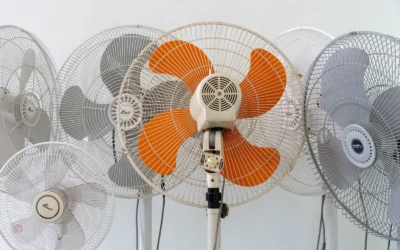
Fans vary in airflow pattern, noise, mounting, and how much they vibrate a rimless tank. Look for a stable clip or bracket that aims across the water surface, not straight down into the substrate. Adjustable speed is useful because you can run low at night and higher during peak heat.
Chillers add pumps, hoses, and intakes that must be baby shrimp safe. Any intake in a breeding tank needs a fine sponge prefilter, and hoses should have no gaps where shrimplets can enter. Also check noise and heat exhaust, since a chiller dumps warm air into the same room, which can be a drawback in a small bedroom.
Control and Monitoring to Avoid Swings
The goal is a slow, narrow daily range, not the lowest number. A simple thermometer you actually check is better than a fancy controller you ignore. Place the thermometer away from the filter output and light so you see the true tank average.
A plug in temperature controller that turns a fan on and off can prevent overcooling at night. With chillers, look for a clear thermostat, a gentle differential so it does not short cycle, and an alarm for probe errors. Substrate choice also affects stability, so it helps to review active soil and substrate basics when you plan summer maintenance and water changes.
To make this concrete, here are a few options that show the range of livestock keepers are trying to protect while they plan cooling:
This article contains affiliate links. If you buy through one of our links, Shrimpyo may earn a commission at no extra cost to you. Commissions never influence which products we recommend or how we rank them. Read our Affiliate Disclosure for details.
Quick Picks at a Glance

Prime SF Aquatic 10 Pack Mixed Neocaridina Shrimp

Prime SF Aquatic 20 Pack Mix Color Neocaridina Shrimp
As an Amazon Associate we earn from qualifying purchases. Product prices and availability are accurate as of the date/time indicated.
Pros
- Fully mature breeding age shrimp for quicker colony establishment
- Wide mix of colors adds visual interest and genetic diversity
- Easy care, hardy and ideal for beginners and small tanks
- Peaceful algae eaters that help keep aquarium clean
- Live Arrival Guarantee plus responsive customer support
Cons
- Mixed lot means exact colors and patterns cannot be selected
- Live animals are sensitive to shipping delays and extreme temperatures
- Requires a cycled, stable freshwater tank with proper acclimation, not ideal for brand new setups
This 10 pack from SF Aquatic delivers high grade mixed Neocaridina shrimp at fully mature, breeding ready age. It is designed for beginners and hobbyists who want instant color and a fast starting colony in a small freshwater tank.
The mix includes a range of reds, blues, yellows and other morphs for vibrant visual variety. Because they arrive at breeding age, they can start reproducing quickly in a stable, cycled aquarium with plants and hiding spots.
These shrimp are hardy, peaceful and active cleaners that graze on algae and leftover food. Their small size and calm nature make them a great fit for 5 gallon and larger community setups with gentle tank mates.
The main tradeoff is color unpredictability, since this is a mixed lot and exact colors are not guaranteed. Like all live shrimp, they are sensitive to shipping stress, temperature swings and uncycled tanks, so careful acclimation is essential.
Overall, this is a budget friendly way to add life, color and utility to a freshwater aquarium. If you want diversity, breeding potential and easy care in one pack, this mixed Neocaridina set is a smart pick.
Neocaridina shrimp thrive in a cycled freshwater tank of 5 gallons or more with stable parameters and gentle filtration. Provide live plants, moss and hiding places to reduce stress and support breeding.
Acclimate slowly by drip acclimation and avoid sudden temperature or pH changes. Feed a balanced diet of shrimp pellets, blanched vegetables and biofilm, plus regular small water changes.
Keep with peaceful tank mates only and avoid large or aggressive fish that may hunt shrimp. Stable, clean water and consistent care will encourage active behavior and reproduction.
Species: Neocaridina freshwater shrimp, mixed color high grade variety. Quantity: 10 count, fully mature breeding age. Tank Size: Suitable for 5 gallon and larger aquariums.
Temperament: Peaceful community safe, compatible with snails, plants and gentle fish. Function: Natural algae and detritus cleaner for indoor aquariums.
Brand: SF Aquatic. Guarantee: Live Arrival Guarantee with refund or replacement. Use: Freshwater aquarium hobby, modern style setup.
Pros
- Strong live arrival performance with active shrimp even after hot weather shipping
- Wide color assortment including reds, blues, yellows and occasional rare blacks
- Breeding age adults help start a self sustaining colony quickly, sometimes with babies included
- Low maintenance, peaceful cleaners ideal for planted and community aquariums
Cons
- Color mix is random, so specific shades or patterns are not guaranteed
- Requires a cycled, stable tank and slow drip acclimation for best survival
- Shipping stress or extreme weather can occasionally cause a loss despite insulated packing
The SF Aquatic 20 Mix Neocaridina set includes fully mature, breeding age shrimp in a random blend of colors for freshwater aquariums. It is designed for beginners, community tank keepers and anyone wanting to start a colorful colony quickly.
Standout value comes from the broad color mix, from reds and blues to yellows and blacks, plus strong genetic diversity for unique offspring. Buyers report lively, active arrivals even after summer shipping, with many colonies breeding soon after proper drip acclimation.
Packaging uses an insulated styrofoam box with a heat or cold pack selected for seasonal conditions to stabilize temperature. The shrimp themselves are hardy, peaceful grazers that clean algae and fit well in planted tanks of 10 gallons and larger.
The tradeoff is that colors are random, so you cannot request specific grades or exact shades. Success also depends on a cycled, stable tank and slow acclimation, as shrimp can stress if water parameters shift too fast.
Overall, this is a practical starter colony for vibrant color, natural cleaning and breeding potential in one box. If you want variety, hardiness and community compatibility, it is an easy recommendation.
Brand: SF Aquatic, Species: Neocaridina mix, Count: 20 live shrimp at breeding age.
Use: Freshwater aquarium, planted tanks and peaceful community setups, best in 10 gallons and up.
Package: Insulated styrofoam box with seasonal heat pack or ice pack for temperature control.
Support: Live arrival guarantee with refund or replacement assistance for qualifying orders.
Acclimate slowly with a 60 to 90 minute drip to match temperature, pH and hardness. Transfer shrimp with a net and avoid adding shipping water to your display tank.
Keep water stable, well filtered and fully cycled with plenty of plants, moss and hiding spots. Avoid copper medications and aggressive fish that may hunt shrimp or babies.
Feed a balanced shrimp diet plus blanched vegetables and leaf litter, with light feeding to supplement natural biofilm. Perform small, regular water changes to maintain clean and consistent parameters.
Matching Gear to Your Tank
If you run a small desktop Neocaridina tank in a warm apartment with no AC during the day, start with airflow and passive steps. Remove a tight lid or prop it open slightly, raise the light, run a small clip on fan on a timer or controller, and top off with clean low TDS water. This setup suits a starter colony like SF Aquatic 10 Mix Neocaridina High Grade, where you want steady conditions without adding plumbing or noise.
If you keep a larger breeding colony and want tighter stability through November heat, combine a fan with volume and routine. Keepers commonly report better results when they keep the tank full, use a sponge prefilter for shrimplet safety, feed lightly during hot spells, and do smaller, temperature matched water changes. A colony like SF Aquatic 20 Mix Neocaridina High Grade benefits from that stability because more females berried at once means more tiny shrimplets sensitive to sudden swings, and you can learn more about colony planning in breeding tank setup ideas.
If your room stays hot day and night during a heatwave, or the tank sits in a loft or garage, a fan alone may not hold the line. That is when a small aquarium chiller with a thermostat and a sponge covered intake is worth considering, despite the higher cost, noise, and space needs. Size it conservatively for shrimp tanks, give it ventilation, and keep a fan as backup for mild days so the chiller cycles less.
Common Mistakes
Mistake one is choosing the wrong size for the tank. An oversized chiller on a nano tank can overshoot and swing temperature, while a tiny USB fan on a large, lidded tank in a hot room barely moves surface air. Match cooling power to water volume, lid type, and room heat, then test for a full day before shrimp arrive.
Mistake two is ignoring baby shrimp safety on intakes and flow. Bare pump intakes, coarse strainers, and strong chiller return flow can trap newborn shrimplets or exhaust them. Always add a fine sponge prefilter, baffle the return with spray bar or sponge, and check for shrimplets in the filter during the first week.
Mistake three is skipping a cycle in period for new gear. Fans change evaporation and oxygen exchange, and chillers add new hoses and biomedia surfaces that need rinsing and leak checks. Run the setup for several days, practice top offs, and watch morning versus evening readings plus shrimp behavior before you call it stable. Natural cover like cholla wood for shelter can also give shrimp calm resting spots while flow and temperature settle.
My Experience
I keep a mixed Neocaridina colony in a small open top tank in a second floor room that gets stuffy by late afternoon, so I started with passive steps and a single adjustable clip on fan on a simple temperature controller. After a week of checking morning and evening readings and topping off daily with clean water, berried females stayed active and I saw fewer failed molts, and the fan plus lid gap handled normal summer days without needing a chiller.
Who Should Wait or Buy Differently
A dedicated aquarium chiller is not ideal for every Neocaridina keeper, especially if your tank only spikes for an hour or two, if you cannot provide ventilation and regular intake cleaning, or if noise in a bedroom or office would bother you. In those cases, wait through a test week with shade, airflow, lighter feeding, and consistent top offs, or put the budget toward a controller, thermometer, auto top off, and sponge prefilters first.
Frequently Asked Questions
Do Neocaridina need a chiller or is a fan enough?
For many indoor Neocaridina tanks, a fan plus passive steps is enough when nights cool down and you top off consistently. A chiller is mainly for rooms that stay hot around the clock, tanks with heat sensitive tank mates, or repeated heatwaves where evaporation alone cannot hold a stable range.
How do I prevent parameter swings when using a fan?
Top off evaporated water with clean RO or distilled water, not mineralized water, and do it often in small amounts. Feed lightly, avoid large cold water changes, and test GH, KH, and TDS on your normal schedule so you catch upward creep before shrimp show stress.
Where should I place the probe or thermometer?
Place it mid tank, away from direct fan airflow, heater, filter output, and light heat for a true average. If you use a controller, secure the probe so it cannot slip out of the water and set a narrow but gentle on and off band to avoid rapid cycling.


Write Your Review
No reviews yet. Be the first to share your experience!