

You just released your first ten cherry shrimp and they disappeared behind the heater. Your new tank looks clean to you, but to them it feels wide open with nowhere to molt or rest. This guide to best cholla wood for shrimp for beginners shows how one simple botanical adds shelter, grazing and confidence, starting with our notes on Indian Almond Leaves and botanicals for gentle, natural cover.
You will learn what size to buy, how to prep it without clouding water, and where to place it for shrimplets. We wrote this for new keepers with 5 to 20 gallon Neocaridina tanks who want low fuss decor. If you are sketching a shrimp breeding tank setup, the same placement tricks give babies a safe grazing zone from day one.
This article contains affiliate links. If you buy through one of our links, Shrimpyo may earn a commission at no extra cost to you. Commissions never influence which products we recommend or how we rank them. Read our Affiliate Disclosure for details.
Quick Picks at a Glance
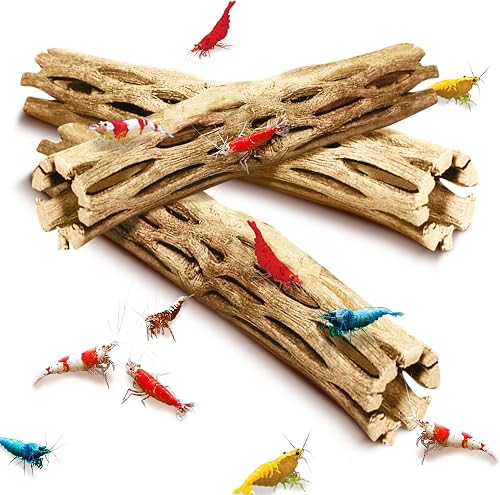
Prime SunGrow Cholla Wood 3-Pack 6 Inch
As an Amazon Associate we earn from qualifying purchases. Product prices and availability are accurate as of the date/time indicated.
Pros
- Natural, chemical-free wood suited for sensitive shrimp and invertebrates
- Multifunctional decor that works as shelter, grazing surface and climbing structure
- Lightweight and easy to arrange in nano tanks, shrimp colonies and pleco setups
- Popular choice for breeding tanks and natural habitat enrichment
Cons
- Natural product, so size, girth and hole pattern vary between pieces
- Requires soaking in hot saltwater and waterlogging before it will sink
- May release light tannins or develop temporary biofilm fuzz in new tanks
The SunGrow 3 Pack Shrimp Cholla Wood includes three 6 inch natural husks from the cholla cactus, made for freshwater aquariums. It is designed for shrimp keepers, snail owners and pleco tanks that need natural shelter and foraging areas.
In real tanks, the porous surface quickly develops biofilm that shrimp graze on throughout the day. The hollow tubes serve as climbing logs, play areas and cozy hideouts where shrimp can molt, rest and feel secure.
Each piece is raw, lightweight and naturally varied in girth, hole pattern and tone, which adds realism to aquascapes. The soft, chewable texture is gentle for invertebrates yet sturdy enough to arrange into caves or lean against plants and rocks.
Because it is a natural wood, pieces will float at first and need soaking in hot saltwater until waterlogged. You may also see initial tannin tint or light biofilm fuzz, which is normal and typically clears as the tank matures.
For anyone building a natural shrimp colony, breeding tank or pleco habitat, this is a simple and effective enrichment. It combines decor, shelter and grazing in one easy to arrange 3 pack.
Brand: SunGrow, Quantity: 3 pieces of natural cholla wood, Length: 6 inch branches for aquarium use. Material: Raw dried husk of cholla cactus with porous, lightweight structure.
Compatibility: Designed for shrimp, snails, plecos and small fish in freshwater fish tank setups. Use for shelter, grazing surface, climbing enrichment and natural decor.
Preparation: Soak in hot or boiling saltwater, sun dry, then waterlog before placing in tank. Natural variation in girth and shape should be expected with raw wood.
Rinse each piece, then soak in hot saltwater until fully waterlogged so it sinks and stays in place. Arrange the three logs separately for multiple hideouts or group them to form caves and tunnels.
Place near plants or moss to create shaded resting spots and breeding cover for baby shrimp. Monitor new setups for light fuzz or tint, and perform regular water changes as the wood matures in your tank.
Buying Guide for Cholla Wood in Shrimp Tanks
Length, Diameter and Hollow Openings
For beginners, three 6 inch tubes hit the sweet spot for nano tanks. They fit easily in a 10 gallon without dominating the scape, and you can lean them into a tripod or lay them flat as tunnels. We tested SunGrow 3 Pack Shrimp Cholla Wood, which varied slightly in girth. That natural variation gave adults room to hide while tiny shrimplets still found snug holes that fit their bodies.
Place one piece near the front glass where you can watch grazing, and tuck the others behind plants or against active soil substrate for stability. Leave hollow ends open so flow passes through and waste does not trap inside. You want cozy cover, not a maze you cannot clean around during weekly maintenance and water changes.
Prep, Cleanliness and Tannins
Cholla is raw cactus husk, so always prep it before it touches shrimp. Soak the pieces in hot saltwater, rinse very well, then sun dry before they go in the tank. This routine removes dust and hitchhikers and helps them waterlog faster. Expect them to float for a day or two, then sink and release only a faint tint that shrimp tolerate well.
Do not boil them to mush. A quick hot soak is enough, while prolonged hard boiling can make the soft skeleton break down early. After they sink, press each tube lightly into the substrate so it does not roll when shrimp climb. In 2026 setups with lids and gentle flow, we see full sinking within 48 hours with this simple method.
Biofilm Growth and Grazing Surface
The real value is the porous surface. Within days it grows a slippery biofilm that Neocaridina and Caridina pick at constantly between meals. Shrimp love to chew on this wood, and shrimplets spend hours inside the pores where quality shrimp food particles also settle. It does not replace feeding, but it keeps babies busy, spreads out competition at the dish, and supports steadier growth.
You will also see snails and small plecos rasping alongside shrimp, which helps keep the tubes clean naturally. Pair the wood with a gentle sponge filter so flow carries powdered food into the holes without blasting shrimplets away. If grazing slows after a few months and the surface feels very soft or fuzzy, rotate in a fresh piece and compost the oldest one.
Durability, Safety and Tank Mates
Expect each piece to last several months in a warm shrimp tank before it softens noticeably. That softening is normal at first, and shrimp often graze even more as fibers loosen and trap detritus. Check monthly and lift tubes gently during water changes to siphon underneath. If a piece crumbles, collapses, or smells earthy out of water, replace it to maintain shelter and water clarity.
Cholla suits peaceful communities with shrimp, snails and small bottom dwellers that use it as a hideout and playground. Avoid stacking it under heavy rocks that could crush the lattice or trap a molting shrimp. Leave small gaps for escape routes on both ends, keep climbing logs stable, and you will see bolder behavior and more daytime foraging within a week.
My Experience With Cholla Wood in a Beginner Tank
I run the 3 pack in my 10 gallon Neocaridina tank with orange Sakura shrimp and two nerites over dark substrate. I chose the soil after reading about Fluval Stratum compared with ADA Amazonia for stable parameters. I prepped with a hot salt soak, then laid two tubes flat and leaned one against dragon stone. By day five, biofilm clouded the pores and I counted seven shrimplets grazing inside, plus two fresh molts tucked in the hollow center.
After six weeks the wood had darkened and stayed put, with no ammonia spike or cloudy water in my weekly tests. My berried females started hiding in the tripod during lights on, and survival of new babies looked better than in my bare quarantine box. I gently turkey basted the tubes weekly and left them alone otherwise, which kept grazing steady without extra work or rearranging the scape.
Final Thoughts
For new keepers who want instant shelter plus natural grazing, start with SunGrow 3 Pack Shrimp Cholla Wood arranged as tunnels, and keep a spare SunGrow 3 Pack Shrimp Cholla Wood to swap in as older pieces soften so your colony always has calm cover for molting in 2026.
Frequently Asked Questions
Do beginners need to boil cholla wood before adding it to a shrimp tank?
Yes, do a simple prep every time. Soak it in hot saltwater, rinse thoroughly, sun dry, then soak until waterlogged before scaping. You do not need a long rolling boil, which can weaken the soft structure. This routine removes dust and helps the 6 inch tubes sink within a day or two in most 2026 nano setups.
How long does cholla wood last in a shrimp tank?
Most pieces last three to eight months depending on temperature, grazers and flow. Shrimp, snails and plecos rasping will slowly soften the fibers, which actually boosts grazing for a while. Inspect monthly during cleaning and replace any tube that crumbles easily, collapses when lifted, or loses its hollow shape.
Will cholla wood change pH, GH or TDS for Caridina shrimp?
Cholla releases only light tannins, so the shift in pH and TDS is usually tiny in a cycled tank with regular water changes. It will not remineralize water or replace buffering soil. If you keep sensitive Caridina, maintain your usual testing routine for Taiwan Bee shrimp water needs and keep water changes small and consistent.
How many pieces should I add to a 10 gallon beginner tank?
Start with two to three small tubes for a 10 gallon. That gives separate grazing and molting spots without crowding swimming space or blocking flow. Lay one flat in front for viewing and lean the others into plants or hardscape behind. Add more only if you see constant crowding or if older pieces start to soften and shrink.
These picks are not a good fit if you want crystal-clear, tint-free water; botanicals naturally tint the water and are aimed at keepers who want that look and the microfauna it supports.


Write Your Review
No reviews yet. Be the first to share your experience!