

If you are learning how to prevent algae with shrimp tank lighting for blue dream shrimp, you are really making a balance choice. You want enough light for plants and for that deep blue color to show, but not so much that hair algae or green dust takes over. Your decision comes down to shrimp hardiness and colony size, tank size and planting level, current water stability, and budget.
Blue Dream shrimp are Neocaridina, so they are forgiving compared to Caridina, but baby shrimp still need stable biofilm and low stress. In this 2026 guide, updated for November, I will walk you through intensity, timing, spectrum, and fit so you can pick a light that grows plants slowly and keeps glass clean. Think of it as a framework you can reuse for any small shrimp tank.
What Actually Matters
Light Intensity and Dimming Control
You can prevent most algae by starting dimmer than you think you need. Bright light drives fast plant growth, but it also drives algae when nutrients and carbon dioxide are not perfectly balanced, and shrimp tanks are rarely perfectly balanced. Look for a light that lets you lower output in small steps, either with a built in dimmer, a phone app, or a simple inline controller.
For a typical low tech Neocaridina setup with mosses, Anubias, and floating plants, low to medium output is plenty. If your light only has on and off with no dimming, you can still make it work by raising it higher, adding floating plants to shade the tank, or shortening the day. When you browse shrimp tank lid and light setups, prioritize adjustable output over raw brightness every time.
Photoperiod, Timers and Consistency
Algae loves long, irregular light days. Shrimp love routine. A built in timer or a cheap outlet timer that gives the same start and stop time every day will do more for algae control than any special bulb. Keepers commonly report that a steady short day of around six to seven hours works well for new Blue Dream tanks, with a slow increase only after plants fill in and glass stays clean for weeks.
Avoid the temptation to leave lights on all evening for viewing. If you want night viewing, use a very dim blue or warm moon mode for a short period, or split viewing into a morning and evening block with a true midday siesta. The key is total bright hours per day, not when they happen. Consistency also helps your biofilm grow evenly, which is what newborn shrimp graze on between feedings.
Spectrum and Color Pop for Blue Shrimp
Spectrum does not cause algae by itself, but it changes how you see your shrimp and how plants respond. A clean daylight white with a touch of red and blue will make Blue Dream shrimp look deep and velvety instead of washed out. Avoid lights that are overly pink for plant growth or overly cold and harsh, since they can make you run the light brighter just to enjoy the tank.
Look for full spectrum white marketed for planted or shrimp tanks, with adjustable white and color channels if possible. If you keep mosses and slow growers, you do not need heavy red boosting. Pair your light choice with a stable foundation like active soil or inert sand with root tabs, because stable roots mean plants use light efficiently instead of leaving nutrients for algae.
Fit, Lid Compatibility and Light Spread
A light that does not fit your tank will cause algae in the corners or blind you with spill. Measure your lid and rim before you buy, and check whether the light sits on legs, clips on, or hangs. Shrimp jump less than fish, but a lid still limits evaporation and keeps shrimplets in, and many clip lights do not sit well on glass lids.
You want even spread from front to back with no harsh hotspot in the middle. A slightly longer bar or a diffused panel is kinder than a single tight spotlight on a wide tank. Also think about maintenance access, because you will wipe the lid and light lens often. If you are planning a colony setup, review breeding tank substrate ideas at the same time, since dark substrate plus even light makes blue shrimp stand out without cranking brightness.
To show how colony size and sourcing affect lighting choices, here are a few options that show the range:
This article contains affiliate links. If you buy through one of our links, Shrimpyo may earn a commission at no extra cost to you. Commissions never influence which products we recommend or how we rank them. Read our Affiliate Disclosure for details.
Quick Picks at a Glance

Prime SwimmingCreatures Blue Dream Shrimp 10 Pack
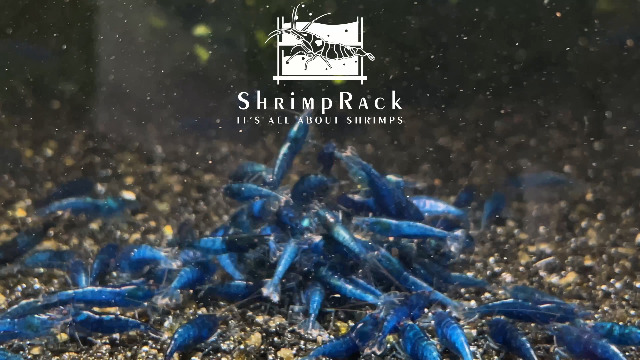
Prime ShrimpRack Blue Dream Shrimp 8 Pack
As an Amazon Associate we earn from qualifying purchases. Product prices and availability are accurate as of the date/time indicated.
Pros
- Striking premium blue color for high visual impact
- Hardy Neocaridina species, great for beginners with a cycled tank
- 10 count set offers better colony building potential than single shrimp purchases
- Thoughtful live animal packaging with insulation and oxygen
Cons
- Live shrimp require careful drip acclimation and stable water parameters to thrive
- Not suitable for saltwater tanks, aggressive fish tanks or uncycled new setups
- Color grade and size can vary naturally with live Neocaridina stock
This set includes 10 Premium Blue Dream Neocaridina shrimp from SwimmingCreatures for freshwater aquariums. It is designed for hobbyists who want vivid blue color, active bottom dwellers and natural tank cleaning.
The standout is the deep Blue Dream coloration that pops against green plants and dark substrate. In a stable, cycled tank these hardy Neocaridina graze on algae and biofilm, keeping surfaces tidier while adding constant movement.
Quality here means health, grading and shipping care. Each order is packed with insulated materials and oxygen filled bags to minimize stress during transit, which is critical for live shrimp survival and quick recovery.
As with any live stock, success depends on water stability, proper acclimation and compatible tank mates. This set is aquarium specific, so it will not suit saltwater setups, uncycled tanks or tanks with aggressive predators.
Overall, this 10 pack is a smart choice for starting or refreshing a Blue Dream colony with eye catching style. If you have a mature freshwater shrimp tank ready, it delivers color, utility and engaging behavior in one purchase.
Brand: SwimmingCreatures, Model Number: Premium Neocaridina Shrimp, Set Name: Blue Dream, Color: Premium Blue Dream.
Included Components: shrimp, Number of Items: 10, Unit Count: 20 Ounce, Number of Packs: 1.
Target Species: Shrimp, Specific Uses: aquarium, Vivarium Type: Aquarium, Product Style: Modern, Manufacturer: Swimming Creatures.
Use only in a fully cycled freshwater aquarium with stable temperature, gentle filtration and plenty of hiding places. Drip acclimate slowly on arrival to match temperature and water chemistry.
Keep with peaceful tank mates only and avoid large or aggressive fish that prey on shrimp. Provide plants, moss and biofilm to support grazing and breeding.
Feed sparingly with quality shrimp food plus natural algae and biofilm, and perform regular small water changes. Stable parameters matter more than perfect numbers for long term colony health.
Pros
- Vibrant blue color that stands out beautifully, especially on dark substrate
- Buyers report shrimp arriving alive and active even after cold weather shipping
- Immediately start grazing on algae, biofilm and leftover food
- Hardy and beginner friendly for planted, nano and community freshwater tanks
Cons
- Juveniles arrive very small at 1/4 inch, so they can be hard to spot at first
- Some shipments have included tiny hitchhiker snails in the bag
- Very small juveniles need hiding places if kept with bettas, tetras or curious fish
This 8 pack of Blue Dream Neocaridina shrimp from ShrimpRack is made for freshwater hobbyists who want bold color and natural cleaning in one package. It suits beginners, nano tank owners and anyone starting or growing a planted breeding colony.
Standout features include high grade blue coloration, peaceful community behavior and constant grazing on algae, biofilm and leftover food. In real tanks, buyers report active shrimp that explore quickly after acclimation and get to work cleaning plants and substrate.
Quality centers on healthy, tank raised juveniles shipped in insulated packaging with heat support for cold weather. Shrimp arrive at 1/4 to 1/2 inch, a size that ships safely and adapts well to stable tanks with plants, moss and gentle filtration.
Drawbacks are typical for live juvenile shrimp. They arrive very tiny and can be hard to find at first, and a few shipments have included tiny hitchhiker snails. Small juveniles also need hiding places if kept with bettas, tetras or other curious fish.
Overall, this is a strong pick for a vibrant, low maintenance cleanup crew with breeding potential. If you have a cycled, planted freshwater tank and want vivid blue shrimp that are hardy and fun to watch, this colony starter is easy to recommend.
Brand: ShrimpRack, Species: Neocaridina davidi Blue Dream, freshwater dwarf shrimp.
Pack Size: 8 juvenile shrimp measuring 1/4 to 1/2 inch, shipped for live arrival.
Tank Use: Planted tanks, nano aquariums, breeding colonies and peaceful community setups.
Care Needs: Stable freshwater parameters, live plants or moss for hiding, gentle filtration and careful acclimation.
Acclimate slowly using drip acclimation over 45 to 60 minutes to reduce stress from shipping.
Provide plenty of moss, plants and driftwood for hiding, grazing and successful breeding.
Keep water stable and avoid copper based medications, and feed sparingly with shrimp food plus natural biofilm.
House only with peaceful tank mates and avoid larger or aggressive fish that may hunt tiny juveniles.
Matching Gear to Your Tank
If you are starting a small desktop cube with moss, a few Anubias, and a new Blue Dream colony like 8 Blue Dream Neocaridina Freshwater Aquarium, choose a small dimmable clip or bar with a timer. Start on the lower half of output and keepers commonly report holding around six hours of bright light for the first month. Add floating plants like frogbit from day one to shade the water and soak up extra nutrients while biofilm develops.
If you are setting up a planted display tank where color matters most and you ordered Swimming Creatures™ Freshwater Aquarium Shrimp to get a larger starter group, pick a wider light with even spread and good color rendering. A larger starter colony grazes more algae and produces more waste, so balance is critical. Keep intensity moderate, run a consistent daily schedule, and let the group settle for several weeks before you raise brightness to push plant growth.
If you already have green dust on glass or thread algae on moss, do not buy a stronger light. Buy control first. That means a dimmer, a reliable timer, fast growing floaters, and a cleaning routine. Reduce bright hours, dim down a step, clean glass gently, and manually remove algae so shrimp can graze the fresh biofilm underneath. Only increase light after two to three weeks of clean glass and steady plant tips.
For mixed rooms with Caridina nearby, keep your Blue Dream light plan separate. You can learn a lot from temperature gear for Caridina about stability, and the same idea applies to light. Stable and modest always beats bright and changing when shrimplets are involved.
Common Mistakes
Running too much light for the plant mass. This is the top cause of algae in new shrimp tanks. You add a powerful planted tank light to a tank with two slow plants and bare substrate, then wonder why hair algae explodes. Start dim and short, then earn more light by adding plant mass and seeing clean glass.
Ignoring shrimplet safety and flow around the light and filter. Bright open water with no plant cover stresses babies, and a strong filter intake without a sponge guard can trap them. Add a prefilter sponge, keep moss thick under the light, and leave shaded corners where juveniles around a quarter inch can hide and molt in peace.
Skipping a cycle in period and changing too many things at once. New tanks need time for bacteria and biofilm to mature before full light. If you crank intensity, add fertilizer, and change the schedule in the same week, you will never know what caused the bloom. Change one variable, wait, observe glass and plant tips, then adjust again.
My Experience
I keep my Blue Dreams in a small planted tank with dark substrate, lots of java moss, and floaters, and I learned to choose lighting the hard way after a green dust outbreak. I switched to a dimmable bar on a strict timer, started low with keepers commonly reporting a short six hour day as a safe baseline, and only raised output after shrimplets appeared and glass stayed clean. Once the colony of juveniles settled and started grazing all day, plant growth steadied, the blue color looked richer under softer white, and weekly glass wipes dropped to a quick pass.
Who Should Wait or Buy Differently
A high output, non dimmable planted tank light with no timer is not ideal for a new Blue Dream shrimp tank focused on algae prevention, and it is not a good fit if you keep slow growing mosses, have no floaters, or cannot do weekly maintenance yet. You should also wait if your tank is still cycling, if you plan to switch lids or upgrade tank size soon, or if you want demanding carpeting plants that need carbon dioxide injection, since that is a different system with different risks for shrimplets. Start with control and coverage first, then buy brightness only when your plants and colony ask for it.
Frequently Asked Questions
How long should I leave the light on for Blue Dream shrimp?
Start short and consistent rather than long and random. Keepers commonly report good results with around six to seven hours of moderate light for new colonies, then slowly adding time as plants fill in. Use a timer so the schedule never shifts, and judge by glass cleanliness over two weeks.
Will dimming my light hurt my shrimp or plants?
No, shrimp prefer stable, softer light with plenty of hiding spots. Most easy plants like moss, Anubias, and Java fern adapt well to lower light and simply grow slower. Slower growth is actually helpful in 2026 low tech shrimp tanks because it keeps nutrients and algae in balance.
Do Blue Dream shrimp need special color boosting bulbs to stay blue?
You do not need a special bulb to keep blue color, but good color rendering helps you enjoy it. Choose a natural daylight white and avoid running the tank overly bright just for photos. Stable water, dark substrate, and low stress from proper cover will keep that deep blue looking rich under any quality shrimp light.






Write Your Review
No reviews yet. Be the first to share your experience!