

If you are trying to pick the best light color for neocaridina color, you are really trying to solve a viewing problem, not a shrimp health problem. You want red cherries to look deep red, blues to look solid, and yellows to stay bright instead of washed out under a warm living room lamp. The decision comes down to four variables you already know: your shrimp species and how settled the colony is, your tank size and lid setup, your current water parameters and algae situation, and your budget for upgrades.
Light does not rewrite genetics, but it changes contrast, saturation, and how active your shrimp look while they graze. A clean daylight white can make whites and blues look crisp, while a slightly warmer tone can make reds and oranges look richer but greens look flat. Before you buy anything new, judge what you have now: dark or light substrate, planted or bare, open top or lidded. That context matters more than chasing one perfect setting, and you can browse related ideas in the Shrimp Tank + Lid + Light archive.
What Actually Matters
Use this framework in November 2026 before you compare models. Think about what your eyes see, what your plants tolerate, and what keeps shrimp out grazing instead of hiding.
Spectrum Balance Instead of One Magic Color
You should start with full spectrum white that renders colors naturally, then fine tune if your light allows it. Lights that are only heavy blue will make blue shrimp glow but turn red shrimp brownish and plants look strange. Lights that are only warm yellow will flatter red and orange shrimp at first, but yellow shrimp disappear and green moss looks muddy.
Weigh this by your main goal. If you keep a single color line and want true color for culling, choose neutral white with good color rendering and leave RGB accents low. If you keep for enjoyment and photos, a tunable white plus gentle RGB lets you add a touch of red for cherries or a touch of cool white for blues, then lock it in and stop fiddling.
Contrast With Substrate, Background and Hides
Shrimp color is always judged against what sits behind them. Red shrimp pop hard on light sand and pale hides, but can look lost on dark soil from across the room. Blue and black shrimp do the opposite, they vanish on black soil but stand out on light stone or pale ceramic. Your Active Soil + Substrate choice sets the stage as much as the bulb does.
Weigh this by looking at your tank in daylight with the light off. If everything is dark brown and black, you do not need a stronger light, you need a lighter focal point and a neutral white that separates shrimp from shadow. If everything is bright white, you may want a slightly softer white and some shaded hides so shrimp feel safe enough to come out and show full color.
Brightness Control, Photoperiod and Algae
Brightness affects behavior more than color setting does. Too much light for too long each day washes out shrimp, drives them under cover, and feeds dust algae on glass that makes the whole tank look dull. A dimmable light with a calm daily routine will keep colors deeper because shrimp stay out, graze normally, and molt on schedule.
Weigh this by choosing control over raw power. For most low tech Neocaridina tanks with moss and slow growers, a modest light run for a shorter daily viewing period beats a powerful light run all day. Keepers commonly report better color and less algae when they start dim and only raise intensity if plants stall, rather than starting at full power and fighting green film for weeks.
Lid Type, Tank Size and Viewing Angle
Small nano tanks get bright very fast, and a lid changes everything. Glass lids soften glare and reduce evaporation, but they also trap a little light and shift how white looks from the front. Open tops look punchier from above but can create harsh hotspots and spook shrimp when you lean over for photos.
Weigh this by where you actually view. If you watch from the couch at an angle, prioritize even front to back coverage and low glare over top down punch. If you photograph from above for selling or culling, a clean white with the lid off for a minute gives truer color, then put the lid back so shrimplets and water stay safe.
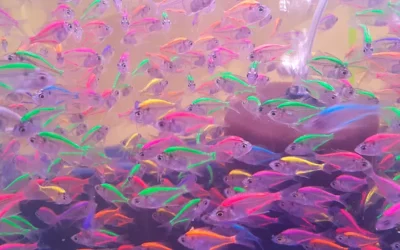
Here are a few options that show the range of shrimp colors and hide tones you will be lighting, so you can picture contrast before you shop for a fixture.
This article contains affiliate links. If you buy through one of our links, Shrimpyo may earn a commission at no extra cost to you. Commissions never influence which products we recommend or how we rank them. Read our Affiliate Disclosure for details.
Quick Picks at a Glance

Dommsinon 3-Pack Aquarium Shrimp Hides

Prime Swimming Creatures Premium Neocaridina Shrimp 20
As an Amazon Associate we earn from qualifying purchases. Product prices and availability are accurate as of the date/time indicated.
Pros
- Three caves in versatile neutral colors for flexible aquascaping
- Ideal compact size for nano shrimp tanks and planted setups
- Plantable center blends decor naturally into the tank
- Smooth openings protect delicate shrimp and shrimplets
- Stable, easy to rinse PLA build for everyday use
Cons
- Sized only for dwarf shrimp, not suitable for larger fish, crayfish or big plecos
- Aquarium plants for the center holder are not included
- 3D-printed layer lines may collect biofilm and need occasional brushing
The Dommsinon 3-Pack Shrimp Hides is a set of small donut-style caves made for Amano, Cherry and other Neocaridina dwarf shrimp. It is built for nano tank keepers and planted aquarium fans who want more shelter and structure without taking up much space.
Each cave has multiple rounded entry holes that let shrimp and shrimplets move through, hide and rest with less stress. The open center works as a planting pocket for java moss or anubias, which adds cover and encourages natural foraging and breeding behavior.
At 3.2 x 3.2 x 1 inch, the caves fit easily in 2.5-gallon tanks and larger setups, and the flat bottom sits steady on sand, gravel or aquasoil. They are 3D printed from PLA for solid, long term underwater use, with a lightly textured finish that helps them stay in place.
The compact size is strictly for small shrimp, so do not expect larger fish or crayfish to use them. Plants are not included, and the three neutral colors can look new until moss grows in, plus the printed texture will need light rinsing over time.
For shrimp keepers who want affordable, functional shelter that doubles as plantable decor, this 3-pack is a practical choice. It adds comfort for shrimp, visual depth for the tank, and easy maintenance for the owner.
Brand: Dommsinon, Category: Aquarium Ornaments
Quantity and Colors: 3-pack in Black, White and Light Brown
Size: 3.2 x 3.2 x 1 inch per cave, fits 2.5 gallon and larger aquariums
Material: 3D printed PLA with flat bottom and lightly textured surface
Compatibility: Amano Shrimp, Cherry Shrimp, Neocaridina and other dwarf shrimp, plus java moss, anubias, bucephalandra and ferns for planting
Pros
- 20-shrimp pack helps quickly establish a visible, active colony
- Five-color mix delivers variety without buying multiple separate strains
- Peaceful, hardy Neocaridina suit nano tanks, planted tanks and community aquariums
- Doubles as a clean-up crew by grazing on algae, biofilm and leftover food
Cons
- Live animals require careful acclimation and stable, cycled water to thrive
- Mixed colors will interbreed over time, which can produce more wild-type offspring
- Not ideal for tanks with large or aggressive fish that may prey on shrimp
This set from Swimming Creatures includes 20 live Premium Neocaridina shrimp in a five color mix for freshwater aquariums. It is designed for hobbyists who want instant color, movement and natural cleaning activity. Beginners, nano tank owners and aquascapers will get the most value.
The standout appeal is variety, with multiple color morphs in one purchase for a lively mixed display. Neocaridina are known for grazing on algae, biofilm and detritus throughout the day. In a stable, planted tank they stay active, visible and constantly foraging.
As a premium mix, these shrimp are selected for color, activity and aquarium suitability. They are small, peaceful and well suited to modern aquascapes, community setups and species only colonies. Proper drip acclimation and cycled, planted water help them settle quickly.
Live shrimp are sensitive to shipping stress, sudden parameter swings and predators, so careful acclimation is essential. A mixed colony will also interbreed, which can fade bright lines over generations. Buyers wanting pure breeding lines should choose single color strains instead.
Overall, this 20 pack is a fun, practical way to stock a freshwater tank with color and utility. It blends visual impact with low maintenance cleaning behavior. For hobbyists seeking diversity and colony potential, it is a smart pick.
Neocaridina thrive in stable freshwater with clean, cycled water and plenty of plants or moss for cover. Keep temperatures moderate, avoid copper medications, and provide gentle filtration.
Acclimate slowly using drip acclimation over 45 to 90 minutes to match temperature and chemistry. Avoid housing with large or aggressive fish that may hunt shrimplets.
Feed a balanced diet of algae wafers, shrimp pellets and blanched vegetables in small amounts. Stable parameters and regular small water changes support molting, breeding and bright color.
Matching Gear to Your Tank
Match the light to the colony and scape you have, not to a photo online. These three common setups show how to think it through with the examples above, and you can compare notes with shrimp substrate setup ideas for breeding tank when you plan background tones.
Small single color tank with dark soil and moss. You have a 2.5 gallon or similar nano with red cherries that look dark from across the room. Keep a neutral daylight white at modest brightness and add a light focal point like Dommsinon Shrimp Hides for Aquarium in white or light brown. The 3.2 by 3.2 by 1 inch donut shape gives shrimp a pale stage to stand on, and the open center holds moss, so red bodies read clearly without cranking the light and growing algae.
Mixed color colony in a planted community. You keep something like Swimming Creatures™ Premium Neocaridina Shrimp with five colors grazing together and you want no single color to wash out. Choose neutral white with balanced rendering and leave color presets near the middle. Avoid pushing heavy blue for the blues or heavy warm for the reds, because one group will always lose. Let contrast come from a mix of dark soil and a couple pale hides rather than from tinted light.
Natural style scape with wood, ferns and pale caves. You want warm and cozy but still true shrimp color for photos. Start neutral, then add just a touch of warmth until reds look rich but yellows still read yellow and greens still read green. If moss in the hide centers starts browning or glass needs scraping every few days, brightness is too high for your balance, so dim first and shorten the daily period before you change color.
Common Mistakes
Mistake 1: Wrong fit for the tank and lid. A light bar made for a long tank will hotspot a small cube and leave the front corners in shadow where shrimp actually graze. Measure lid length and leg fit, check that the light sits centered, and confirm you can still feed and do water changes without moving the whole fixture every day.
Mistake 2: Ignoring baby shrimp safety when changing the top. Swapping a solid lid for an open light mount to get better color can leave gaps where shrimplets climb or get pulled toward filter flow near the surface. If you change lids, keep mesh or a tight cover, baffle intakes with sponge, and watch where newborns gather in the first week under the new brightness.
Mistake 3: Skipping a settle in period. New light color shocks your eyes more than shrimp, so many keepers judge too fast and keep tweaking daily. Set one neutral look, run it steady for two to three weeks, clean glass on the same day each week, and compare shrimp photos under the same conditions. You can learn more about how background choice shifts perception in this substrate color comparison.
My Experience
I run a small 2.5 gallon Neocaridina cull tank with dark substrate, so my reds looked almost black in the corners under a warm desk lamp. I switched to a neutral white clip light kept dim, added three small donut hides in black, white, and light brown that each measure about 3.2 by 3.2 by 1 inch, and tucked moss into the open centers. Within two weeks the shrimp grazed out in the open more, reds photographed truer on the pale hide, and I stopped wiping green dust off the glass every other day.
Who Should Wait or Buy Differently
A new tunable light is not ideal for you if your colony is still cycling, still adjusting to new water, or hiding all day from flow or tank mates, because no color setting will fix stress paleness. If algae already coats leaves and glass, if shrimplets are new and your lid has gaps, or if you keep mixed colors mainly for fun rather than grading, hold off, stabilize water and cover first, then tune light color as the final polish.
Frequently Asked Questions
What light color makes red Neocaridina look reddest?
Neutral daylight white with good rendering usually shows reds most honestly, with just a touch of warmth if your room is very cool. Heavy red presets can look striking at first but hide orange culls and turn green plants brown. Judge against a pale hide in the same spot each time.
Why do my blue shrimp look black under my current light?
Blue shrimp absorb a lot of light, so dim warm light plus a dark background makes them read as black. Try neutral to slightly cool white at modest brightness and give them a light stone or pale hide to stand on. If they still look inky after a steady couple weeks, that is likely their grade, not your bulb.
Will a brighter light improve shrimp color?
Brighter light rarely deepens color and often does the opposite by stressing shrimp into hiding and fueling algae that dulls the whole tank. Better color usually comes from stable water, varied diet, dark plus light contrast in the scape, and a dimmable neutral light run for a shorter daily period. Raise intensity only if plants clearly stall.




Write Your Review
No reviews yet. Be the first to share your experience!