

If you are learning how to cycle bio media for a shrimp tank for amano shrimp, you are really deciding how to build a stable bacterial home before any shrimp arrive. Amano shrimp are hardy algae eaters, but they still stress quickly if ammonia spikes or minerals swing during a fresh cycle. Your choice comes down to shrimp hardiness, tank size, current water parameters and budget.
This buying guide walks you through that decision without pushing a single ranked winner. You will learn what type of biological surface, mineral support and biofilm food fits your setup, then see examples in context. For background on filtration styles, browse the Sponge Filter + Bio Filter archive to compare air driven designs.
What Actually Matters
Cycling is not about a single bottle or rock. It is about giving nitrifying bacteria surface, oxygen, steady minerals and enough time to colonize. Here is how to weigh each part for Amano shrimp specifically.
Surface Area, Flow and Oxygen
Beneficial bacteria need surface area plus oxygen rich flow to process waste. Sponge foam, ceramic media and porous stone all provide homes, but fine sponge gives you two benefits at once, filtration and a safe grazing surface for shrimp. You want gentle, steady flow that moves water through the media without blasting Amano shrimp around the tank.
Think about cleaning access as well. A filter you can squeeze gently in old tank water will get maintained more often than one that forces you to tear apart the scape. If you run a hang on back or canister, add a prefilter sponge so biofilm and shrimplets are not pulled into the intake. Our related guide to baby safe sponge filters for shrimp tanks in 2026 explains foam density tradeoffs in plain terms.
Mineral Stability While Bacteria Establish
Amano shrimp molt often, so they need consistent calcium and magnesium while your filter matures. Fresh tanks tend to swing because new substrate absorbs minerals and the bacterial colony is not yet handling waste smoothly. You want cycling support that encourages steadiness, not products that spike hardness overnight and then crash.
Look for slow release mineral sources and avoid stacking several buffers at once. Keepers commonly report better molts and calmer behavior when changes are gradual and water changes stay small during the cycle. Pair any mineral rock with regular testing so you can see the trend instead of guessing from shrimp behavior alone.
Bacterial Culture Versus Biofilm Food
There are two different jobs in cycling. One is seeding nitrifiers that convert ammonia to less harmful forms, and the other is growing soft biofilm and microorganisms that Amano shrimp graze on all day. A cycling powder focuses on the first job by adding a starting culture plus nutrients for microbes. A supplemental food focuses on the second job once bacteria are active.
Do not confuse the two functions. Adding only grazing food to an uncycled filter will not process waste, and adding only bacteria without surface area or long term food leaves shrimp hungry after they arrive. The best plan for Amano shrimp combines matured media plus a light, ongoing biofilm source once your tests show stability and you see a faint film on glass and sponge.
Time, Testing and Patience Window
Cycling takes weeks, not days, even for hardy Amano shrimp. A structured protocol that runs over a 30-day period is realistic because bacteria colonize slowly and biofilm needs light, oxygen and organic matter to develop. If a product suggests instant readiness, treat that as marketing and keep testing anyway.
Use a liquid test kit to track ammonia, nitrite and nitrate trends before you add shrimp. For help picking a kit, check our Water Test Kit resources and test on the same schedule each week. You are ready when readings stay steady between small water changes and the tank smells earthy and clean rather than sharp or sour.
To make these ideas concrete, here are a few options that show the range from mineral support to full cycling culture to supplemental grazing food. They are examples, not a ranking, so focus on the function each one represents for your own tank size and water.
This article contains affiliate links. If you buy through one of our links, Shrimpyo may earn a commission at no extra cost to you. Commissions never influence which products we recommend or how we rank them. Read our Affiliate Disclosure for details.
Quick Picks at a Glance

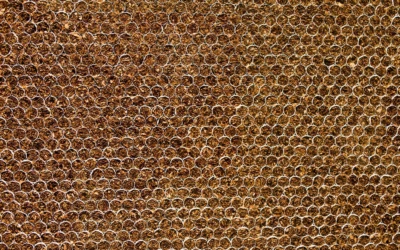
Prime SunGrow Shrimp Mineral Rocks with Calcium

Prime RareShrimp Shrimp Tank Cycling Powder 40g

Prime Shrimptastic Aquatics Bee Pollen Granules
As an Amazon Associate we earn from qualifying purchases. Product prices and availability are accurate as of the date/time indicated.
Pros
- 100 percent harvested natural minerals rich in calcium and magnesium, not artificially made
- Helps with molting, shell hardness, growth and color vibrancy, especially for baby shrimp
- Contributes to cleaner water quality through ion exchange action
- Compact size fits nano tanks and works for multiple invertebrate species
- Long lasting value pack covers up to 14 gallons for around 3 months
Cons
- 60 gram pack is best for small tanks, larger aquariums will need multiple packs
- Mineral powder can cause temporary cloudiness when first placed in the tank
- Works as a supplement only and cannot replace regular water changes and testing
SunGrow Shrimp Rocks are natural harvested mineral stones formulated for freshwater shrimp, snails, crayfish and other crustaceans. They are ideal for hobbyists keeping Crystal Red, Amano and Ghost shrimp in nano tanks who want to support growth, color and shell health.
Rich in calcium and magnesium, these rocks help strengthen shells, support smooth shedding and boost vibrancy, especially in young shrimp. They also function as a natural ion exchanger, enriching water with minerals while helping to hold ammonium and heavy metals for clearer conditions.
Each pack includes small white stones averaging 0.5 inch plus fine mineral powder for faster dispersal. The compact size tucks easily into aquascapes without taking space, and also works as simple natural decor in shrimp and snail setups.
The 60 gram pack is sized for up to 14 gallons and lasts about three months, so larger tanks need more frequent replacement. The powder may cause brief cloudiness at first, and results depend on stable feeding, water changes and parameters.
For shrimp keepers seeking an easy, natural way to add calcium and magnesium while improving decor, these rocks are a practical choice. They are simple to use, invertebrate safe and well suited for ongoing nano tank maintenance.
Brand: SunGrow, Model: SR01, Form: Natural mineral rock with powder
Unit Count: 60 grams, Average Stone Size: 0.5 inch, Coverage: Up to 14 gallons
Target Species: Crystal Red, Amano and Ghost shrimp, snails, crayfish, hermit crabs
Rinse rocks lightly and place them directly in the aquarium near shrimp hiding areas.
Allow mineral powder to disperse naturally and avoid over vacuuming around the stones.
Replace after about three months in a 14 gallon setup to maintain mineral support.
Pros
- Formulated specifically for Caridina and Neocaridina, including Crystal Red breeding setups
- Promotes sustainable biofilm for continuous natural grazing, ideal for shrimplets
- Builds beneficial bacteria network to support long term water quality
- Includes clear step by step 30 day protocol for consistent results
- Compact powder format is easy to dose and store
Cons
- Requires a full 30 day cycling protocol, so not ideal if you need an instant start
- 40g size is designed for initial setup, larger or multiple tanks will need more product
- Results depend on closely following instructions and stable tank maintenance
RareShrimp Professional Shrimp Tank Cycling Powder is a 40g starter designed to cycle new freshwater shrimp tanks and build a living ecosystem. It is made for hobbyists and breeders setting up Crystal Red, Caridina and Neocaridina colonies who want a structured start.
Its standout promise is a complete microbial foundation rather than just a water conditioner. The blend focuses on essential microorganisms, beneficial bacteria and sustainable biofilm to support water quality, natural grazing and shrimplet survival.
In real world use, the value is in stability and food availability during the critical first month. A mature biofilm layer gives baby shrimp constant grazing while the bacterial network helps buffer the system against swings that often cause losses in new setups.
The powder format is compact, easy to store and simple to dose for a single setup, with step by step instructions for a 30 day cycle. The main tradeoff is patience, as you need to follow the full protocol and cannot safely shortcut the maturation period.
Final verdict: this is a specialized tool for serious shrimp keepers who want a breeder style start. If you are cycling a dedicated Caridina or Neocaridina breeding tank and want biofilm plus bacteria in one system, it is a strong fit.
Form: Powder in bottle, 40g total, listed as 1.41 ounce unit count for single tank cycling.
Target Species: Freshwater shrimp, including Crystal Red, Caridina and Neocaridina for breeding and colony tanks.
Use: 30 day tank starter to establish microorganisms, biofilm and beneficial bacteria for water quality.
Manufacturer: Rare Shrimp, Part SJ-57D3-4D0L, Package size 2.4 x 2.36 x 1.93 inches.
Pros
- Plant based organic formula with broad nutritional profile including proteins and trace minerals
- Targets key keeper concerns like baby shrimp development, molting support and color
- Easy to dose granule form sinks slowly for natural feeding
- Versatile for cherry shrimp plus other freshwater shrimp, snails and bottom feeders
Cons
- Small 2 oz container may run out quickly for larger or multiple tanks
- Supplement only, still requires a balanced staple diet for complete nutrition
- Mixed customer feedback indicates results can vary by tank and colony
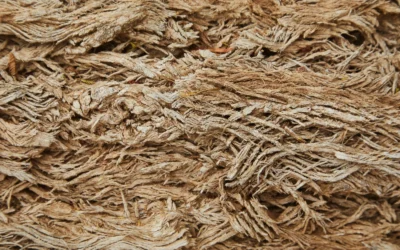
Shrimptastic Aquatics Bee Pollen Granules is an organic supplemental food made for freshwater cherry shrimp and other popular dwarf shrimp species. It is best suited for keepers who want a plant based booster to round out a balanced feeding routine for all life stages.
The standout feature is fine bee pollen, naturally rich in vitamins, minerals, amino acids and antioxidants. In the tank, the granules sink slowly and encourage natural grazing, which supports active behavior, coloration and baby shrimp growth while helping reduce failed molts when fed consistently.
The product comes in a compact 2 oz canister that is easy to store and dose in small portions. The fine granule texture disperses well for shrimplets and adults alike, and it is also readily accepted by snails and other small invertebrates without clouding water when portioned correctly.
As a supplement, it is not a complete diet replacement and overfeeding can still affect water quality. Some keepers may find the small container limiting for large colonies, and results for color and molting will depend on overall water parameters and diet.
Overall, this is a clean, convenient superfood supplement for shrimp focused tanks. If you keep cherry shrimp and want to support growth, molting health and visual appeal with minimal fuss, it is a worthwhile addition to your feeding rotation.
Product: Bee Pollen Granules for freshwater aquarium shrimp, 2 oz canister.
Target Species: Cherry shrimp and other freshwater shrimp, plus snails and small invertebrates. Suitable for all life stages.
Form and Use: Fine slow sinking granules for supplemental feeding. Portion small amounts as part of a balanced diet.
Key Ingredients: Bee pollen with natural vitamins, minerals, amino acids, antioxidants, proteins and trace minerals. Organic claim, raw diet type.
Matching Gear to Your Tank
Start from your tank, not the product label. A brand new setup needs bacteria and time, while an established tank adding Amano shrimp mostly needs grazing and mineral steadiness. Match the tool to that gap.
Scenario one is a new nano setup with dry sponge and fresh water. You might be starting a 14 gallon tank with new foam and no seeded media to borrow. Here a structured starter like Professional Shrimp Tank Cycling Powder 40g illustrates the bacterial starter approach, designed to be run over a 30-day period with aeration and light organic input. Pairing it with SunGrow Shrimp Rocks, Calcium shows slow mineral support, since those small pieces around 0.5 inch on average are meant to sit in the scape and last about 3 months while molts stabilize. You should NOT buy extra grazing foods yet in this phase, because uneaten food can foul a filter that has no bacteria to process it.
Scenario two is an established community or planted tank where filtration is already mature and you want to add a small Amano crew for algae control. Your bio media is cycled, but grazing may be thin if the tank is very clean. Here Shrimptastic Aquatics Bee Pollen Granules illustrates the supplemental food approach, with small granules made for easy feeding of small shrimp and babies. Use a tiny pinch a few times per week and watch that it is fully grazed within hours. If you see cloudy water or planaria, you are feeding too much for your current bio load.
Scenario three is a simple low intervention setup where you want fewer moving parts. You have a single air driven sponge, inert sand or gravel, and conditioned tap or remineralized water. Focus on a right sized sponge, one gentle mineral support if your water is very soft, and patience. Review substrate impacts in our guide to shrimp substrate setup ideas for shrimp breeding tank before you add active soil, since soil changes cycling behavior and mineral demand. In this simple tank, you should NOT buy multiple starters at once, because overlapping products make it hard to tell what is actually stabilizing the water.
Common Mistakes
Adding Amano shrimp before the filter is colonized. Even hardy shrimp can suffer from new tank syndrome when you skip the cycle in period. Wait until ammonia and nitrite stay undetectable on your kit and nitrate rises in a predictable way, then add only a few shrimp at first while biofilm builds.
Dosing too fast and not testing before and after. This includes dumping in a full course of cycling powder plus mineral rocks plus other buffers on the same day. Start conservatively, test your baseline water, then retest after each addition so you can link cause and effect and avoid sudden hardness or pH shifts.
Choosing the wrong size or unsafe intake for shrimp. An oversized power filter without a prefilter sponge will trap grazing Amano and strip biofilm from the water column. An undersized sponge in a heavily fed tank will clog and channel. Size the foam to the tank footprint, keep flow gentle, and rinse only in removed tank water to protect bacteria.
My Experience
I cycled my 14 gallon Amano tank with a dual sponge filter and a lot of patience, and I treated minerals and food as separate steps. I tucked a few small mineral rocks around 0.5 inch into the hardscape so they would support molts over about 3 months, ran aeration steadily through a full 30-day period before adding shrimp, and only then started tiny supplemental feeds for grazing. That slow sequence gave me steady tests, visible biofilm on the sponge, and Amano shrimp that colored up and molted cleanly without frantic water changes.
Who Should Wait or Buy Differently
If your tank is still cloudy from unsettled substrate, shows swinging test results, or already houses sensitive Caridina that need precise parameters, this type of general cycling shopping is not ideal for you right now. You are not a good fit for quick starter plus mineral combos until the underlying cause of instability is fixed with water changes, filtration adjustments and time. Wait, stabilize the base system first, then choose only the one support piece your tests show you are missing.
Frequently Asked Questions
How long should I cycle bio media before adding Amano shrimp?
Plan on several weeks, often around a full 30-day period with consistent aeration and light feeding of the filter. Add Amano shrimp only after ammonia and nitrite stay undetectable and the tank shows steady readings plus light biofilm. Rushing this step is the most common reason new shrimp hide or fail to molt.
Do Amano shrimp need mineral rocks during cycling?
They do not strictly require rocks, but steady calcium and magnesium help with shell building and molting while bacteria establish. Slow release stones can smooth out soft water dips if used sparingly and tracked with a test kit. Avoid stacking multiple mineral products at once, since sudden shifts stress shrimp more than slightly lean water.
Can I use bee pollen or other foods to cycle the filter?
Supplemental foods grow grazing biofilm but they do not replace nitrifying bacteria on your media. Cycle the sponge or ceramic first with a bacterial starter approach and time, then add tiny amounts of pollen style food once tests are stable. If food remains uneaten after a few hours, reduce the portion and siphon the excess.




Write Your Review
No reviews yet. Be the first to share your experience!