

If you are searching for the best soil for crystal shrimp setup ideas for shrimp breeding tank, you are really deciding how to create soft, stable and slightly acidic water that stays that way for months. Crystal shrimp, which are a sensitive Caridina type, show poor color, failed molts and lost babies when pH swings or hardness creeps up, so the substrate does much of the work. Your main variables are shrimp species and hardiness, tank size and footprint, your current source water parameters, and how much maintenance and budget you can give to cycling and replacement.
This buying guide walks you through that decision step by step, with plain criteria you can use for any brand. You will learn what buffering means for breeding, how grain shape affects plants and shrimplets, and how to plan for cycling and long term care. For broader background on types, see this Active Soil + Substrate overview before you shop. Updated for November 2026, it uses a few example products only to show the range.
What Actually Matters
Buffering Strength and Target pH Range
Active soils lower pH and soften water by exchanging ions, which is why Caridina crystal breeders rely on them while Neocaridina keepers often do not need strong buffering. Think in ranges, not exact numbers. Some professional buffering substrates hold a distinctly acidic band around pH 5.2 to 5.8 for sensitive Caridina, while milder planted soils aim to hold a near neutral band around pH 6.5 to 7.5 for mixed communities. If you use tap water that is hard and alkaline, you will exhaust strong soil faster, so test your source water first and choose RO water with remineralizer when you want long, flat stability for breeding.
Grain Size, Porosity and Shelter for Babies
Grain shape controls root growth, water flow through the bed and hiding places for newborn shrimp. Fine powder granules around 1 mm let delicate carpet roots spread without compacting, while round spherical clay grains keep their shape over time and resist turning to mud. Porous sintered grains also give nitrifying bacteria and biofilm more surface to colonize, which matters because shrimplets graze constantly. For breeding, look for a non compacting texture that stays open, feels uniform, and offers tiny crevices where babies can hide during their most vulnerable stage. You can compare textures in this Active Soil + Substrate collection.
Nutrient Release, Ammonia and Cycling Behavior
Almost all nutritious active soils release some ammonia and organics at first, which feeds plants but can harm shrimp if you stock too early. Plan for daily water changes for the first every 3 to 5 days after setup, with a minimum of 3 changes before adding livestock, and do not add soil directly to an established tank with sensitive animals inside. Some soils include dormant nitrifying organisms or bioactives that help break down waste and start the nitrogen cycle on contact with water, plus porous structure for added biological filtration. Even with that help, keepers commonly report needing several weeks to reach stability, and pairing soil with a cycling powder can take around 30 days to build a mature filter and biofilm base.
Buffering Life and Mineral Support
Buffering is consumable, so depth, water change routine and source water decide how long it lasts. Some professional soils are designed for about 12 month performance before replacement is needed to preserve optimal buffering, and adding more substrate can extend buffering life and lower pH further when needed. Mineral stones are a separate tool, not a substitute for soil. Small calcium and magnesium rocks around 0.5 inch on average can act as a slow mineral source and ion exchanger that helps with shell building and color, with one pack described as enough for a 14 gallon tank and lasting about 3 months. Learn how soils and supplements work together in this active soil and substrate guide.
To show how these tradeoffs look in real products, here are a few options that show the range from strong Caridina buffers to mild planted substrates and mineral supplements:
This article contains affiliate links. If you buy through one of our links, Shrimpyo may earn a commission at no extra cost to you. Commissions never influence which products we recommend or how we rank them. Read our Affiliate Disclosure for details.
Quick Picks at a Glance
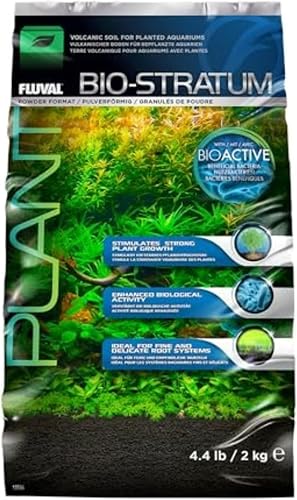
Prime Fluval Bio-Stratum Volcanic Aquarium Soil

Prime Aqueon Plant and Shrimp Aquarium Substrate 5lb

Prime SunGrow Shrimp Mineral Rocks with Calcium

Prime RareShrimp ShrimpSoil Pro 1L Aquarium Soil

Prime Hygger CO2 Aquarium Soil 13.2LB for Planted Tanks
As an Amazon Associate we earn from qualifying purchases. Product prices and availability are accurate as of the date/time indicated.
Pros
- Activates on contact with water to help cycle new aquariums faster
- Lightweight porous granules promote healthy root penetration and spreading
- Mineral rich formula supports dense foliage and vibrant plant color
- Provides added biological filtration surface for stable water quality
Cons
- Fine granules can cloud water if disturbed during planting or water changes
- Lightweight texture can shift under strong filter flow or with digging fish
- 4.4 lb bag suits nano tanks only, larger aquascapes need multiple bags
Fluval Bio-Stratum is a volcanic soil substrate made for freshwater planted aquariums and aquascaping. It is best for beginners cycling a new tank and for hobbyists growing carpeting plants, stem plants and shrimp colonies.
Its standout feature is infused dormant nitrifying organisms that activate in water to break down waste and lower ammonia. In real tanks, this helps new setups stabilize faster while the mineral rich soil feeds plants for fuller growth and stronger color.
The substrate uses fine 1mm porous granules that stay loose and resist compacting like gravel or sand. This open texture lets delicate roots penetrate easily while giving beneficial bacteria plenty of surface area for colonization.
It is not perfect, as the light powder granules can cloud water if poured too fast or disturbed. The soft pellets also break down over time and the small bag size means larger tanks will need several bags for proper depth.
Overall, Fluval Bio-Stratum offers an excellent balance of plant nutrition, root friendly texture and biological support. If you want a low maintenance substrate that helps plants thrive and water stay stable, it is a smart pick for planted tanks.
Brand: Fluval, Model 12696 Bio-Stratum Volcanic Soil
Size and Texture: 4.4 lbs, 70.4 ounces, fine 1mm porous powder granules
Type: Natural mineral rich aquarium substrate for planted freshwater tanks
Function: Supports plant growth, root development, waste breakdown and biological filtration
Best For: Live plants, tropical fish, shrimp, aquascaping and new tank cycling
Use about 1 to 2 inches of depth in front with a deeper slope in back for rooted plants and aquascaping. One 4.4 lb bag suits small nano tanks, while larger tanks will need multiple bags for full coverage.
Do not rinse before use, just spread the dry substrate evenly then place a plate on top when filling. Pour water slowly to prevent clouding and to protect the fine granules.
Expect mild cloudiness and softening of water at first, which is normal for active volcanic soils. Cycle the tank fully before adding sensitive shrimp or fish, and avoid deep vacuuming to preserve bacteria and nutrients.
Pros
- Holds shape without breaking down into muddy soil like traditional substrates
- Versatile for planted tanks, shrimp colonies, community fish and aquatic turtles
- Natural brown color enhances aquascapes and helps plants stay anchored
- Easy to set up and maintain for beginners and experienced hobbyists
Cons
- 5-pound size may require multiple bags for larger tanks or deep substrate beds
- Freshwater only, not suitable for saltwater or brackish setups
- Light clay pellets can shift with digging turtles or large active fish and may need rinsing to prevent initial cloudiness
Aqueon Plant and Shrimp Aquarium Substrate is a 5-pound clay-based aqua soil made for freshwater planted tanks, shrimp colonies, and turtle habitats. It is a smart pick for beginners and aquascapers who want a natural foundation that supports both plants and animals.
In real world use, it provides a stable base that anchors stems and carpeting plants while letting roots spread easily. Because the pellets resist compacting, water keeps flowing through the bed which helps maintain healthier roots and a cleaner looking tank.
The build centers on small, round brown clay pellets that hold their shape over time instead of turning to mush. The texture looks natural, feels gentle for bottom dwelling shrimp, and layers well for slopes, hills, and detailed aquascapes.
There are a few tradeoffs to consider. The 5-pound bag covers small tanks well but larger setups will need extra bags for proper depth, and the lightweight pellets can be moved by turtles or large diggers. A quick rinse before adding water also helps limit initial cloudiness.
Overall, this is a reliable, versatile substrate for anyone building a freshwater planted or shrimp tank with natural style. If you want easy planting, steady root support, and a clean aquascape look, it is a strong value choice.
Brand: Aqueon, Model: Plant and Shrimp Aquarium Substrate, Size: 5 Pounds
Material: Premium clay, Color: Brown, Shape: Spherical pellets
Use: Freshwater planted tanks, shrimp habitats, community tanks and aquatic turtle aquariums
Item Model Number: 100534685, ASIN: B07HGKK59Q
Pros
- 100 percent harvested natural minerals rich in calcium and magnesium, not artificially made
- Helps with molting, shell hardness, growth and color vibrancy, especially for baby shrimp
- Contributes to cleaner water quality through ion exchange action
- Compact size fits nano tanks and works for multiple invertebrate species
- Long lasting value pack covers up to 14 gallons for around 3 months
Cons
- 60 gram pack is best for small tanks, larger aquariums will need multiple packs
- Mineral powder can cause temporary cloudiness when first placed in the tank
- Works as a supplement only and cannot replace regular water changes and testing
SunGrow Shrimp Rocks are natural harvested mineral stones formulated for freshwater shrimp, snails, crayfish and other crustaceans. They are ideal for hobbyists keeping Crystal Red, Amano and Ghost shrimp in nano tanks who want to support growth, color and shell health.
Rich in calcium and magnesium, these rocks help strengthen shells, support smooth shedding and boost vibrancy, especially in young shrimp. They also function as a natural ion exchanger, enriching water with minerals while helping to hold ammonium and heavy metals for clearer conditions.
Each pack includes small white stones averaging 0.5 inch plus fine mineral powder for faster dispersal. The compact size tucks easily into aquascapes without taking space, and also works as simple natural decor in shrimp and snail setups.
The 60 gram pack is sized for up to 14 gallons and lasts about three months, so larger tanks need more frequent replacement. The powder may cause brief cloudiness at first, and results depend on stable feeding, water changes and parameters.
For shrimp keepers seeking an easy, natural way to add calcium and magnesium while improving decor, these rocks are a practical choice. They are simple to use, invertebrate safe and well suited for ongoing nano tank maintenance.
Brand: SunGrow, Model: SR01, Form: Natural mineral rock with powder
Unit Count: 60 grams, Average Stone Size: 0.5 inch, Coverage: Up to 14 gallons
Target Species: Crystal Red, Amano and Ghost shrimp, snails, crayfish, hermit crabs
Rinse rocks lightly and place them directly in the aquarium near shrimp hiding areas.
Allow mineral powder to disperse naturally and avoid over vacuuming around the stones.
Replace after about three months in a 14 gallon setup to maintain mineral support.
Pros
- Trusted buffering formula used by Taiwan champion breeders for Caridina setups
- Supports both shrimp health and plant growth in one substrate
- Porous grains encourage biofilm and nitrifying bacteria colonization
- Fine texture protects shrimplets and allows easy root penetration
Cons
- Buffering capacity fades after about 12 months so annual replacement is needed
- 1L volume suits nano tanks but larger aquascapes will need multiple bags
- Low pH range is excellent for Caridina but may be too acidic for Neocaridina or hard water species
ShrimpSoil Pro by RareShrimp is a 1L professional buffering aquasoil made for freshwater shrimp tanks and planted aquascapes. It is built primarily for Caridina keepers who need soft, acidic, and stable water, but it also works well for aquasoil plant setups.
The standout feature is active pH buffering to 5.2 to 5.8, which helps keep parameters steady for sensitive shrimp. In real world use, deeper substrate beds extend buffering life and help lower pH further, while porous grains support biofilm grazing and faster biological maturity.
The soil has a fine, uniform grain that looks natural in nano and show tanks and allows roots to spread easily. High porosity encourages nitrifying bacteria colonization, which supports cleaner water, better nutrient uptake, and lush plant growth over time.
The main tradeoff is maintenance, since buffering lasts about 12 months and then the substrate should be replaced. The 1L size is perfect for small tanks, but larger layouts need more bags, and the low pH focus is not ideal for Neocaridina that prefer neutral to slightly alkaline water.
Overall, ShrimpSoil Pro is a strong choice for Caridina breeders, shrimplet survival, and high end aquascapes. If you want stable acidic water, healthy plants, and proven breeder grade performance, this soil is worth considering.
Brand: Rare Shrimp, Model: ShrimpSoil Pro 1L
Volume and Weight: 1 liter, 1.85 pounds, package 11.26 x 6.77 x 1.65 inches
Buffering Range: pH 5.2 to 5.8 for soft, acidic freshwater conditions
Use: Freshwater shrimp substrate, aquarium plant substrate, aquascapes and aquasoil setups
Performance Life: Designed for up to 12 months with annual replacement recommended
Use a deeper bed if you need stronger or longer buffering, as more soil increases acid buffering capacity. Rinse lightly or not at all per breeder guidance, then slope from back to front for planting and flow.
Pair the soil with a bacteria starter like Rare Shrimp cycling powder and allow about 30 days to fully cycle before adding sensitive Caridina. Test pH, GH, KH, ammonia, nitrite, and nitrate regularly during cycling.
Choose this soil for Caridina Crystal and Bee shrimp plus acidic loving plants. For Neocaridina Cherry shrimp or hard water fish, consider a neutral substrate or a thinner cap to avoid pH that is too low.
Pros
- Maintains stable, slightly acidic pH ideal for shrimp and planted aquariums
- No washing required, pour in dry and fill slowly for clearer water
- Porous structure supports biofiltration and long term water quality
- Safe for fish, shrimp and live plants when cycled correctly
Cons
- Requires multiple water changes over several days before adding livestock
- Not suitable for direct addition to established, stocked tanks
- Initial nutrient release can temporarily affect sensitive species if rushed
The Hygger CO2 HC028 is a 13.2 pound aquasoil made for freshwater planted tanks, shrimp tanks and aquascaping layouts. It is aimed at hobbyists who want stable water chemistry and strong root nutrition from day one.
Its standout strength is pH buffering in the 6.5 to 7.5 range, which helps keep shrimp and plants steady while softening water and lowering hardness. The porous sintered granules also give beneficial bacteria plenty of surface area, supporting faster cycling and clearer long term water quality.
The granules feel fine and uniform, settle quickly and resist scattering when filled slowly, which helps create clean slopes and planting zones. Because nutrients are built in, stems and carpeting plants can root firmly without extra base layers.
It is not a pour and go solution for stocked tanks, since initial nutrient release calls for several water changes before adding livestock. It should not be rinsed and should not be added directly to an established tank with sensitive species.
For new builds, this is a practical, aquascaper friendly substrate that balances plant growth, bacterial support and pH stability. If you follow the cycling steps, it delivers a healthy foundation for vibrant plants and active shrimp.
Brand and Model: Hygger CO2 HC028, Aquarium Soil style for planted aquariums.
Size and Texture: 13.2 pound bag of fine, porous sintered soil granules for aquascaping.
Water Chemistry: Buffers pH to 6.5 to 7.5 while naturally softening water and reducing hardness.
Compatibility: Designed for aquatic plants, tropical fish and freshwater shrimp in new setups.
Pour the dry soil directly into an empty tank and shape your slope or layout, do not rinse it. Rinsing removes beneficial content and can break granules into mud.
Add water very slowly over a plate or plastic bag to avoid disturbing the substrate. Perform water changes every 3 to 5 days at startup, with a minimum of 3 changes before adding fish or shrimp.
Wait until ammonia and nitrite read zero and pH is stable before stocking. Avoid adding this soil to an already stocked tank because early nutrient release can stress sensitive livestock.
Matching Gear to Your Tank
If you run a dedicated crystal breeding tank on RO water and want the lowest stable pH, look for a true Caridina buffer with fine grain shelter. ShrimpSoil Pro – Freshwater Shrimp & Aquatic Plant is the clearest example here, buffering to pH 5.2 to 5.8, offering high porosity for bacteria and biofilm, and providing fine grain cover that protects newborn shrimp. Pair it with SunGrow Shrimp Rocks, Calcium only if molts look thin, since the rocks add calcium and magnesium without replacing the soil buffer.
If you keep a planted community with shrimp, snails or fish on tap water and want steady growth without pushing pH very low, choose a milder soil that holds around pH 6.5 to 7.5. Upgraded Aquarium Soil Water Grass Mud fits that goal with porous structure, gentle acidifying and softening, and a no rinse setup that needs those early water changes before livestock. Aqueon Plant and Shrimp Aquarium Substrate is another mild option, using premium clay based spherical grains that keep shape over time for root support and aquascaping. Both suit Neocaridina style setups better than intensive crystal breeding.
If your priority is a new tank that cycles cleanly and grows plants fast, focus on bioactivity and root penetration. Fluval 12696 Volcanic Soil Bio Stratum for Planted uses lightweight 1 mm powder granules that do not compact, plus dormant nitrifying organisms that activate on contact with water to break down waste and reduce ammonia. That makes planting easy and helps stabilize new aquariums, though you should still complete the full cycle and water change routine before adding crystals. More setup context is in this Active Soil + Substrate resource.
Common Mistakes
Stocking crystals too early is the most costly error. Even when ammonia tests look okay for a day, fresh aquasoil can leach in pulses, so skipping the minimum of 3 water changes and adding shrimp in week one often leads to deaths and failed berries. Wait for flat pH, zero ammonia and visible biofilm grazing before you introduce breeders.
Rinsing active soil or mixing opposite types causes clouding and unstable chemistry. These soils should be poured in dry and filled slowly, never washed, because washing removes helpful microbes and turns grains to mud. Mixing a strong Caridina buffer with an alkaline gravel or a soil meant for a different genus also creates conflicting buffering that exhausts faster.
Using too thin a layer and ignoring exhaustion leads to pH rebound just as babies arrive. A shallow dusting cannot buffer for long, and after many months of hard water changes the soil loses capacity, which keepers commonly report as slow pH rise and weaker breeding. Plan depth for coverage and flow, track pH trends, and refresh on roughly a 12 month rhythm when you breed sensitive crystals.
My Experience
I set up my 14 gallon crystal tank on RO water because my tap was too hard to hold a low pH, and I chose a strong fine grain buffering soil over a mild planted clay for that reason. I filled slowly with no rinse, did water changes every few days at the start, waited a full cycle until biofilm coated the hardscape, then added a small calcium rock area for molting support. Berries held much better once pH stayed flat, and I saw more babies surviving in the grain crevices than in my earlier inert gravel setup.
Who Should Wait or Buy Differently
Active buffering soil is not ideal for keepers who want a no cycle, no test setup or who keep hard water species that prefer alkaline conditions. If you run Neocaridina in hard tap water, keep African cichlids or livebearers that need higher pH, or you are not ready to cycle for weeks and replace soil when buffering fades, start with inert sand or gravel and focus on filtration and plants instead. That pause saves money and avoids stressing shrimp with swinging chemistry.
Frequently Asked Questions
Do crystal shrimp need active buffering soil to breed?
Most successful crystal breeders use it because it holds soft acidic water steady for months, with strong types buffering around pH 5.2 to 5.8. You can breed in inert substrate with RO water and careful control, but it takes more testing and water management, so beginners breed more consistently on active soil.
How long should I cycle soil before adding crystal shrimp?
Plan for several weeks, not days, with water changes every 3 to 5 days at first and a minimum of 3 changes before adding livestock. Keepers commonly report full maturity around 30 days when bacteria and biofilm establish, and you should see stable pH plus zero ammonia before stocking.
When should I replace breeding soil?
Replace when pH starts climbing and breeding slows despite consistent source water, which for intensive use can be around 12 month performance. Deeper beds and soft RO water last longer, while hard tap water exhausts buffering faster. Track trends monthly rather than waiting for a crash.
Write Your Review
No reviews yet. Be the first to share your experience!