

If you are choosing between generic buffering soil and SL Aqua Aquarium Soil Substrate for Freshwater, you are really choosing how actively you want to shape soft water for dwarf shrimp. Both options lower pH and KH to support Caridina, yet they feel different during setup, planting and long term maintenance. Your tap water, target shrimp and tolerance for monitoring will decide which makes more sense for your tank.
In this buffering soil vs SL Aqua Soil comparison, I focus on practical differences for shrimp keepers, from buffering behavior to granule texture to mineral support. Generic buffering soil covers a wide family of active soils, while SL Aqua Aquarium Soil Substrate for Freshwater is a specific formula made for freshwater dwarf shrimp. If you browse our Active Soil + Substrate guides you will see the same questions come up around stability, breeding and recharging.
This article contains affiliate links. If you buy through one of our links, Shrimpyo may earn a commission at no extra cost to you. Commissions never influence which products we recommend or how we rank them. Read our Affiliate Disclosure for details.
Quick Picks at a Glance

Prime SL Aqua Nature Soil Aquarium Substrate
As an Amazon Associate we earn from qualifying purchases. Product prices and availability are accurate as of the date/time indicated.
Pros
- Ideal buffering for 0 to 1 KH RO water setups for bee shrimp
- 100 percent natural Japanese materials with porous structure for beneficial bacteria
- Fine 1.5 to 2.0mm granules look natural and are gentle for foraging shrimp
- Helps maintain clear and stable water chemistry long term
- Easy no rinse setup saves time and helps prevent clouding
Cons
- Designed only for soft water species, not suitable for Neocaridina or hard water tanks
- Requires RO water and careful slow filling to avoid disturbing substrate
- Amount needed must be calculated by tank size, which can confuse beginners
SL Aqua Nature Soil is a freshwater aquarium substrate from Japan designed specifically for soft water dwarf shrimp. It is made for keepers of Crystal Red, Crystal Black, Taiwan Bees and other Caridina species that thrive in low pH and low KH water.
Its standout strength is natural water conditioning. When used with RO water at 0 to 1 KH, it gently lowers pH and KH while releasing minerals, trace elements and organic acids. The porous granules also support beneficial bacteria, which helps keep water clear and stable for health, molting and breeding.
The build uses 100 percent natural raw materials sintered into uniform 1.5 to 2.0mm granules. The texture looks natural, allows good rooting for plants and gives shrimp a comfortable surface for foraging. The added plant nutrients are a welcome bonus for planted shrimp tanks.
It is not an all purpose substrate. It is intended for soft water setups only, so it will not suit Neocaridina or hard water species that need alkaline conditions. You must use RO water, avoid rinsing, and fill slowly to prevent clouding or disturbing the buffering layer.
For dedicated Caridina keepers, this is a reliable, premium choice that simplifies soft water management. If you keep bee shrimp and want stable parameters with healthy growth and color, SL Aqua Nature Soil is well worth setting up correctly.
Brand: SL Aqua, Product: Nature Soil Aquarium Substrate for Freshwater Shrimp
Granule Size: 1.5 to 2.0mm fine medium granule, Volume: 3 liters, Form: Porous sintered natural soil
Water Chemistry: Lowers pH and KH, Designed for 0 to 1 KH, RO water recommended
Target Species: Crystal Red, Crystal Black, Taiwan Bees, Shadow Shrimp and other soft water bee shrimp
How They Compare
Buffering Strength and pH Stability
Generic buffering soil and SL Aqua Aquarium Soil Substrate for Freshwater both use cation exchange to pull KH down and let pH settle in a soft, acidic range that Caridina prefer. SL Aqua Aquarium Soil Substrate for Freshwater is listed with clear pH and KH lowering properties and a porous sintered structure from 100% natural raw materials, which helps explain its steady and clear water reputation. Generic buffering soil varies more by brand and batch, so keepers commonly report stronger initial drops with some labels and gentler curves with others.
For long term stability, SL Aqua Aquarium Soil Substrate for Freshwater aims to hold that soft water window for a long period without constant adjustment, which suits breeding tanks where swings hurt berried females. Generic buffering soil can also hold well, but you need to watch exhaustion signs like rising pH and KH creep after water changes. In both cases, using RO or soft source water extends active life, while hard tap water exhausts any buffering soil faster.
Granule Size, Texture and Tank Feel
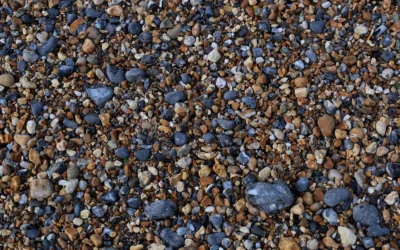
Texture is where you will feel the difference right away in this buffering soil vs SL Aqua Soil matchup. SL Aqua Aquarium Soil Substrate for Freshwater uses a fine granule size of 1.5-2.0mm that sits smooth, holds slopes and lets small roots and mosses anchor without large gaps. Generic buffering soil ranges from fine powder types to coarser grains, so one bag may feel sandy and compact while another feels chunky and open.
Smaller grains also change daily maintenance for shrimplets and plants. The fine bed from SL Aqua Aquarium Soil Substrate for Freshwater is gentle for foraging babies and makes food sit on top where you can see it, but it needs a light touch when you siphon so you do not pull grains into the bucket. Generic buffering soil with larger pores can trap less mulm on the surface yet may let debris settle deeper, and I cover siphoning tips in our active substrate section because technique matters more than brand once the tank matures.
Mineral Content and Shrimp Specific Formulation
Both soil types claim to support plants and biology, but SL Aqua Aquarium Soil Substrate for Freshwater is explicitly formulated for freshwater dwarf shrimp and lists essential minerals and trace elements for health and color. Generic buffering soil is often built first for planted tanks, with shrimp safety added as a secondary claim, so nutrient release and early ammonia leach can vary widely. For sensitive Caridina, that shrimp first focus means less guesswork about what is leaching in the first week.
In practice, neither generic buffering soil nor SL Aqua Aquarium Soil Substrate for Freshwater replaces balanced feeding and careful water management. SL Aqua Aquarium Soil Substrate for Freshwater provides background minerals while your biofilm, leaf litter and quality shrimp food do the heavy lifting for molts. Generic buffering soil may grow stems faster at first due to richer organics, then need more water changes to keep shrimplets comfortable and molting cleanly.
Setup, Cycling and Longevity
Setup ease favors a predictable routine, and here SL Aqua Aquarium Soil Substrate for Freshwater has a clear edge for beginners. SL Aqua Aquarium Soil Substrate for Freshwater notes that rinsing is not required, so you can add the dry grains, shape a gentle slope, plant and fill slowly to keep water clear. Generic buffering soil instructions differ, with some brands asking for a rinse and others warning against it to preserve buffering dust, and our Active Soil + Substrate archive walks through filling and cycling without clouding the tank.
Expect any active soil to release some ammonia early and need a full cycle before shrimp move in. SL Aqua Aquarium Soil Substrate for Freshwater benefits from patient cycling and small water changes until tests stabilize, just like generic buffering soil. The difference is consistency, as keepers commonly report a calmer cycle with SL Aqua, while generic soils range from almost inert to very hot. As of November 2026, my rule remains simple, cycle fully and add shrimp only when parameters hold steady between changes.
Which One Should You Get
Choose generic buffering soil if you run Neocaridina or mixed community tanks on moderately hard tap water and want flexible, widely available active soil for plants first and shrimp second. You accept some batch variation and you are comfortable testing often, doing regular water changes and replacing soil when buffering fades. This path also suits aquascapers who rescape often, want different grain sizes for slopes and caps, and do not need a shrimp specific mineral recipe.
Choose SL Aqua Aquarium Soil Substrate for Freshwater if you keep Caridina like Crystals or Taiwan Bees in soft water and want a shrimp focused bed with fine 1.5-2.0mm grains and pH and KH lowering behavior. You prefer no rinse setup, steady clarity and added minerals and trace elements without guessing about plant soil additives. Check our substrate comparisons and SL Aqua Aquarium Soil Substrate for Freshwater for fit notes, then test source water, cycle fully and add your colony only when readings stay stable.
My Experience
I have run SL Aqua Aquarium Soil Substrate for Freshwater in a small Crystal breeding tank with RO water and I left the grains unrinsed as directed, which kept initial clouding low and let me plant right away. The 1.5-2.0mm texture made it easy to place small tufts and see newborn shrimplets grazing across the surface, and pH and KH settled into a soft range that held between water changes. Berried females stayed settled, molts looked clean and I did fewer corrective water changes, which I credit to stable buffering plus background minerals rather than any quick fix.
Who Should Skip Both
If you keep hard water livebearers, African cichlids or Neocaridina on alkaline tap and you do not want to use RO, active soil is not ideal for your goals because constant buffering fights your source water and exhausts quickly. You would replace soil often, chase pH and stress shrimp with swings after each change. An inert sand or gravel with steady minerals and plants that tolerate harder water will serve you better than either buffering option here.
Frequently Asked Questions
Is SL Aqua Soil a true buffering soil for Caridina shrimp?
Yes, it is listed with pH and KH lowering properties and a porous structure meant to keep water stable and clear, which is what Caridina keepers mean by buffering. Generic buffering soil does the same job in principle, but strength and duration vary by brand. For Crystal or Taiwan Bee tanks, either can work if you start with soft source water and cycle fully.
Do I need to rinse SL Aqua Aquarium Soil Substrate for Freshwater before use?
No, the maker notes that rinsing is not required, so you can add it dry and fill gently to avoid dust storms. Some generic buffering soils do ask for a light rinse, so always follow the bag you bought. In both cases, expect some early ammonia and cycle the tank before adding shrimp.
Which lasts longer, generic buffering soil or SL Aqua Soil?
Longevity depends more on source water and maintenance than label alone. Keepers commonly report that SL Aqua holds steady for a long period when used with soft water, while generic soils range from shorter lived to quite long lasting. Hard tap water, deep vacuuming and frequent rescaping shorten active life for both options.
Write Your Review
No reviews yet. Be the first to share your experience!