

Video credit: Thomas Dobbins. Original video: https://www.youtube.com/watch?v=Hjk9aTFN7Pw. This is our own independent breakdown and is not affiliated with the video creator. As an Amazon Associate, Shrimpyo earns from qualifying purchases. Product prices shown in the video may have changed.
Watch the video
Product breakdown
- CaribSea Eco-Complete
- Fluval Stratum
- ADA Amazonia
- UNS Controsoil
- Mosura shrimp soil
This breakdown is our own summary of the video for reference. Confirm current specs and price on the retailer page before buying.
This is our own independent breakdown and is not affiliated with the video creator. As an Amazon Associate, Shrimpyo earns from qualifying purchases. Product prices shown in the video may have changed.
Watch the Video
This video from Thomas Dobbins shows a setup in this class for choosing substrate for Neocaridina shrimp. Think of it as a real world reference for the category, not as a demo of our exact picks below.
You will get the most from it if you watch for substrate texture, depth, and how plants and shrimp use the bottom zone. Then use our breakdown to decide what you would actually buy for your own water and tank volume in November 2026.
What This Video Covers
This Video Breakdown: Which substrates should you use for neocaridina shrimp? #neocaridina # is about a decision every cherry shrimp keeper faces early. Do you go inert and stable, or do you go active and let the soil help shape pH and hardness for plants and shrimp?
The video gives a real world look at a setup in this category. It is useful because substrate looks very different on a store shelf than it does under water with light, flow, plants, and a colony grazing across it. You can see grain size, color contrast against shrimp, and how open the surface stays for feeding and siphoning.
This suits Neocaridina davidi best, including red cherry, orange, yellow, blue dream, and other color morphs. Those shrimp are hardy and breed readily when water is stable, food is consistent, and shelter is available for newborns. If you keep Caridina or Taiwan Bee shrimp, many of the same ideas apply, but your goals for buffering and remineralization will be stricter.
For scale, think small home breeding tanks of the type keepers commonly report, such as a desktop starter or a 10 gallon colony tank that keepers commonly report using for Neocaridina. Substrate depth matters more than many beginners expect. A thin dusting behaves differently than a planted slope, and depth plus brand affects buffering capacity and lifespan.
There are two main tradeoffs at this level. First, active soil buffers pH and lowers GH and KH, which changes how much remineralization you need afterward. That can help plants root and can help create the slightly acidic, soft leaning conditions many planted tanks favor. It also means you should check the specific product data sheet for your tank volume and plan to test after setup and after water changes.
Second, inert sand or gravel is more set and forget for Neocaridina water chemistry, but it gives you less built in support for heavy root feeders. Active soils like pellet style aquasoils give roots more to hold and offer pore space for beneficial bacteria. They can also break down over time, release dust if handled roughly, and need gentle siphoning near the surface.
No verified GH, KH, or TDS numbers are stated in this video, so I keep water parameter references qualitative here. If you want deeper background on soil choices, see 4 Best Active Soils Tested for Shrimp Tanks 2026 and our Active Soil + Substrate archive.
Timestamp Breakdown
This is the core of the article. The table below maps the general setup ideas you see in a video in this class to what I would buy today. Remember the creator did not use these exact picks. This is my own 2026 interpretation for a Neocaridina keeper shopping now.
This article contains affiliate links. If you buy through one of our links, Shrimpyo may earn a commission at no extra cost to you. Commissions never influence which products we recommend or how we rank them. Read our Affiliate Disclosure for details.
Quick Picks at a Glance

Prime Fluval Plant and Shrimp Stratum 4.4 lbs
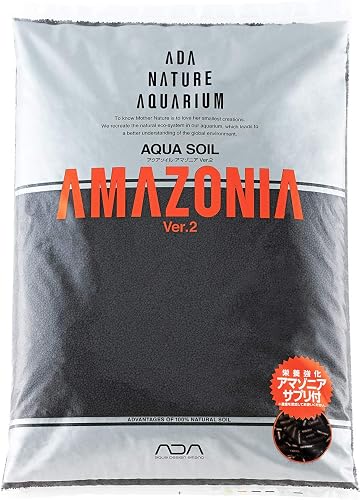
Prime ADA Aqua Soil Amazonia Ver 2 9L Planted Aquarium

Prime UNS Controsand Bora 3L Natural White Aquarium Sand

Prime CaribSea Eco-Complete African Cichlid Black Sand
As an Amazon Associate we earn from qualifying purchases. Product prices and availability are accurate as of the date/time indicated.
Pros
- Excellent for root development and sustained live plant vitality
- Supports stable, shrimp safe water chemistry with slightly acidic pH
- Porous structure encourages healthy biological filtration
- Does not cloud water or leach color when prepared correctly
Cons
- Soft granules can break apart over time and need gentle vacuuming
- 4.4 lb bag covers small tanks only, larger aquariums require multiple bags
- Buffers pH slightly lower, so not ideal for hard water species like African cichlids
Fluval Plant and Shrimp Stratum is a 4.4 lb volcanic soil substrate made for freshwater planted aquariums. It is built for hobbyists growing live plants and keeping shrimp, bettas and other tropical fish that prefer soft, slightly acidic water.
In real tanks, it excels at root support and early plant establishment. The porous granules let roots spread easily while holding nutrients close, and the large surface area helps beneficial bacteria colonize quickly for clearer, more stable water.
The granules are lightweight, uniform and non compacting, which keeps the substrate bed oxygenated and easy for carpeting plants to root. It does not dye water and it helps reduce organic discoloration from driftwood, keeping the display clean and natural looking.
It is not perfect for every setup. The soft granules can crumble if handled roughly or vacuumed aggressively, and a single bag is best for nano tanks. It also buffers pH down slightly, so it is not suited for hard water fish that need alkaline conditions.
For planted nano tanks and shrimp colonies, this is one of the easiest and most reliable substrates to use. It balances plant growth, water quality and shrimp safety well, making it a smart choice for both beginners and experienced aquascapers.
Brand: Fluval, Model: 12693, Unit Count: 4.4 lbs, 70.4 ounces, Form: Porous granules. Designed for freshwater use only with fish, shrimp and live plants.
Function: Aquarium substrate for strong plant growth, supports neutral to slightly acidic pH. Lightweight and non compacting structure promotes root health and biological filtration.
Dimensions: 3 x 6 x 11 inches, Weight: 4.4 pounds. Manufacturer: Rolf C. Hagen USA Corp.
Use about 1 to 2 inches of Stratum for most planted tanks, with a deeper slope toward the back for stem plants. Rinse very lightly or not at all, then add water slowly over a plate or bag to prevent clouding and disturbing the granules.
Cycle the tank normally before adding shrimp, as the porous surface will help beneficial bacteria establish quickly. Vacuum gently above the surface during maintenance and avoid deep digging to keep granules intact.
Pros
- Superior plant growth and vibrant color from nutrient rich black soil plus root focused supplement
- Buffers pH and softens water to create ideal conditions for plants, tetras, shrimp and other soft water species
- Less algae and cloudy water issues than Version 1 according to experienced users
- Natural dark look and ideal granule texture for aquascaping slopes, carpets and stem plants
- Easy to use for beginners building a fully planted tank
Cons
- Causes an initial ammonia spike for several weeks, so tank must be cycled before adding fish or shrimp
- Nutrient supplement pellets are potent and must be placed carefully under the soil to avoid excess nutrients
- Premium aquasoil with higher upfront cost and may need root tabs over time as nutrients deplete
ADA Aqua Soil Amazonia Ver 2 is a 9 liter planted tank substrate made from rare Japanese black soil, designed for Nature Aquariums. It is built for beginners and experienced aquascapers who want lush growth, vivid color and crystal clear water.
Standout performance comes from the separate bag of Amazonia concentrate supplement placed under the soil to feed roots without clouding the water column. In real tanks, it buffers pH to slightly acidic soft water, supports strong root growth and helps reds and greens look richer.
The granules have a natural irregular shape with ideal size and density for planting and for holding slopes. The deep black color creates sharp contrast against plants and fish while giving a natural riverbed look that stays attractive over time.
The main drawback is the initial ammonia release during the first few weeks, which requires fishless cycling and frequent water testing. New hobbyists may also find the concentrate pellets strong if overdosed, and carpeting plants still need good light, CO2 and maintenance to thrive.
Overall, Amazonia Ver 2 remains the benchmark aquasoil for high tech planted tanks with cleaner water and fewer algae issues than the original. If you want premium substrate that rewards proper cycling with thriving plants and fish, this is the one to buy.
Brand: ADA, Model: Amazonia Ver 2, Volume: 9 Liters, Weight: 7 kg. Style: Japanese black soil for freshwater planted aquariums.
Includes base black soil plus separate Amazonia concentrate supplement for targeted root nutrition. Granule structure is designed for root development, aquascaping and natural appearance.
Best for freshwater Nature Aquariums with aquatic plants and soft water tropical fish. Not intended for marine or hard water cichlid setups.
Rinse is not required. Place concentrate pellets on the tank bottom where heavy root feeders will grow, then cap fully with Amazonia Ver 2 soil.
Fill slowly to avoid disturbing the substrate, then cycle fishless for several weeks with regular water changes and ammonia testing. Add plants early and livestock only after ammonia and nitrite read zero.
Use good lighting, CO2 and filtration for best carpet growth, and recharge with root tabs over time as nutrients are consumed.
Pros
- Soft fine grain is gentle on barbels, fins and shrimp
- Clean natural white look enhances plant colors and hardscape contrast
- Promotes stable rooting for live aquatic plants
- Versatile for aquariums, terrariums and paludariums
Cons
- Requires thorough rinsing before use to prevent cloudy water from fine particles
- Light white color shows fish waste, uneaten food and algae more easily and needs regular cleaning
- 3 liter bag provides limited coverage, so larger tanks will need multiple bags for proper depth
The Ultum Nature Systems Controsand Bora is a 3 liter natural white sand designed for freshwater planted aquariums and aquascaping. With a fine 0.4 to 0.9mm grain size, it is made for hobbyists keeping shrimp, bettas, bottom dwellers and community fish in aquariums, terrariums and paludariums.
In use, it provides a soft, siftable bed that shrimp and bottom dwelling species can explore without stress. The fine texture also anchors plant roots well, helping carpeting plants and stem plants establish and support a balanced ecosystem.
The sand has an irregular natural shape and clean white tone that brightens the tank and creates strong contrast with green plants, Dragon Stone and driftwood. It suits tropical, blackwater and biotope styles and works in both small nano tanks and larger aquascapes.
Maintenance is the main tradeoff. Like most white substrates, it shows debris and algae faster than darker sand, so light vacuuming and regular water changes help keep it bright. A good rinse before setup is also important to remove ultrafine dust and keep water clarity high.
Overall, Controsand Bora is an excellent pick for aquascapers who want a natural, plant friendly white sand that is safe for delicate livestock. If you want a bright, clean riverbed look with reliable planting performance, this is a strong choice.
Brand: Ultum Nature Systems, Model: UNSCSB3, Volume: 3 liters, Color: White, Grain Size: 0.4 to 0.9mm, Material: Natural sand.
Use: Planted aquariums and aquascaping, suitable for aquariums, terrariums and paludariums in tropical and blackwater styles.
Livestock Suitability: Shrimp, betta, bottom dwelling fish and community freshwater species that prefer soft, siftable substrate.
Pros
- Maintains high pH naturally for Malawi, Tanganyika and Victoria cichlids
- Live bacteria plus porous grains support strong biological filtration
- No rinse, dust free formula makes setup cleaner and quicker
- Black sand creates striking contrast that makes fish colors pop
- Adds essential minerals to support long term water stability
Cons
- Black color shows waste and debris easily, needs regular vacuuming
- One 20-pound bag may not cover larger tanks, multiple bags often needed
- High pH buffering is not suitable for soft water fish, plants or shrimp
CaribSea Eco-Complete African Cichlid Zack Sand is a 20-pound black substrate made specifically for African Rift Lake cichlids and other high pH fish. It is ideal for hobbyists setting up Malawi, Tanganyika or Victoria biotopes who want stable chemistry from the start.
The standout benefit is automatic pH buffering with calcium, magnesium and carbonate to resist the drops common in cichlid systems. Packed in a water conditioning solution with live purifying bacteria, it helps cycle new tanks faster while supporting long term biological filtration through its porous grains.
The fine Zack sand texture looks natural, encourages digging and sifting, and makes the colors of African cichlids stand out against the black background. The aragonite based grains are uniform and require no rinsing, so setup is cleaner and quicker than with typical sands.
Black sand does show uneaten food and waste more readily, so regular vacuuming is needed to keep it looking sharp. Because it actively buffers for high pH, it is not a good choice for soft water communities, tetras, discus or shrimp that need acidic conditions.
For dedicated African cichlid keepers, this is a convenient all in one solution that combines chemistry, biology and aesthetics. If you want Rift Lake conditions without constant chemical dosing, Eco-Complete is a proven, low maintenance foundation for a healthier tank.
Brand: CaribSea, Model 00777, 20-Pound black Zack sand for African cichlids.
Material: Aragonite based sand with calcium, magnesium and carbonate for pH buffering.
Biological: Contains live water purifying bacteria, packed in conditioning solution, no rinsing required.
Use: Freshwater Rift Lake cichlid aquariums, product dimensions 20 x 2 x 13 inches, made in USA.
| Timestamp | Part | Common at this level | Our 2026 pick | Why |
|---|---|---|---|---|
| Full video | setup | a similar setup in this class | CaribSea Eco-Complete | A grounded, currently sold option in the active soil substrate category. |
| Full video | gear | a similar setup in this class | Fluval Stratum | A grounded, currently sold option in the active soil substrate category. |
| Full video | gear | a similar setup in this class | ADA Amazonia | A grounded, currently sold option in the active soil substrate category. |
| Full video | gear | a similar setup in this class | UNS Controsoil | A grounded, currently sold option in the active soil substrate category. |
| Full video | gear | a similar setup in this class | Mosura shrimp soil | A grounded, currently sold option in the active soil substrate category. |
Start with the big choice, inert versus active. If your tap water already keeps Neocaridina happy and breeding, an inert style base lets you focus on stability, feeding, and plant placement. If you want stronger plant growth and a soil that helps buffer pH lower, an active pellet soil is the more directed tool.
Next look at grain and shelter. Newborn shrimp need places to hide and graze. A porous pellet like Fluval 12693 Plant and Shrimp Stratum is designed to sustain a neutral to slightly acidic pH range and to offer shelter for newborn shrimp until they are large enough to move into the open. That combination of cover plus biofilm surface is why many shrimp keepers prefer rounded pellets over sharp gravel.
Finally, think about lifespan and maintenance. Active soil buffers pH and lowers GH and KH, which changes how much remineralization you need afterward. Depth and brand affect buffering capacity and lifespan, so check the specific product data sheet for your tank volume. Rinse only if the maker directs it, add water gently to limit clouding, and test before you add shrimp.
My Experience
I keep Neocaridina in a small planted tank at home, a size keepers commonly report as a 10 gallon colony setup. I have run both inert sand caps and pellet aquasoils, and I keep coming back to pellets when plants are a priority. Roots spread faster, the surface grows biofilm quickly, and shrimplets seem bolder when they can duck between grains.
A product like Fluval 12693 Plant and Shrimp Stratum performed for me the way the description suggests. Its porous structure supports colonization by beneficial nitrifying organisms, it preserves water clarity when I fill slowly, and the 4.4 lb bag size made it easy to trial in a nano layout before committing to a deeper slope. I would not use it as an excuse to skip testing. I still check water after setup and go slow with changes.
Comparison and Alternatives
The top two practical picks from the table for most readers are CaribSea Eco-Complete style substrate and Fluval Stratum style substrate. In buyable terms today that means comparing CaribSea Aquatics Eco-Complete African Cichlid with Fluval 12693 Plant and Shrimp Stratum. They serve different goals, so choose by your water, not by hype.
Fluval Stratum is the plant leaning active soil choice. It is built to support root penetration and nutrient access, to sustain a neutral to slightly acidic pH range, and to provide shelter for newborn shrimp. The tradeoff is that active buffering fades with time and you must handle it gently. It can dust if you stir hard, it can cloud if you pour fast, and it is not the right call if you want zero influence on hardness. Do not buy it if you want a permanently inert bed or if you dislike replacing or topping soil after long use.
CaribSea Eco-Complete style substrate appeals when you want a mineral rich, biologically ready bed with less active buffering behavior. Many keepers use it as a stable base for Neocaridina while dosing the water column for plants. Note the specific buyable version here is the African Cichlid Zack sand in black, which is formulated to maintain higher pH for African cichlids. That makes it a poor match for a soft water Caridina goal, and Neocaridina keepers with naturally hard tap should test carefully before choosing this exact version.
For tighter budgets or a simpler look, consider UNS Controsand – Bora, 3L as a lower cost swap concept. It is a fine grained 0.4 to 0.9mm sand that suits bottom dwellers and shrimp that like to sift, and the maker notes it is ready to place with a rinse recommended to protect clarity. You give up active buffering, so pair it with root tabs or water column feeding if you grow heavy root feeders. For background on soil versus sand debates, see fluval 12694 plant and shrimp stratum vs aqua natural Substrate, sugar white Sand, 10lb and fluval 12695 plant and shrimp stratum vs ADA aqua soil amazonia ver 2 (9L).
Three Ways to Set This Up
Budget: CaribSea Eco-Complete, adapt quantity to tank volume
Use CaribSea Aquatics Eco-Complete African Cichlid only if your source water and shrimp match its higher pH design, otherwise swap to a neutral Eco-Complete version for Neocaridina. Keep the bed level and modest in depth, add a simple sponge filter, moss, and leaf litter for grazing. This suits a first Neocaridina starter tank where you value stability and easy siphoning over maximum plant growth.
Mid range: Fluval Stratum, adapt quantity to tank volume
Use Fluval 12693 Plant and Shrimp Stratum as a balanced active bed for plants plus shrimplets. Slope it slightly higher in back, plant cryptocoryne or stem cuttings directly into the pellets, and fill slowly over a plate to keep water clear. This is the version I recommend for most Neocaridina keepers who also want a planted display, and you can learn more in best soil for neocaridina in a 10 gallon tank.
Premium: ADA Amazonia, adapt quantity to tank volume
Use ADA Aqua Soil Amazonia Ver 2 (9L) when plants are the priority and you accept more active management at the start. It uses pellet granules sized for root development, includes a separate bag of Amazon concentrate supplement for local enrichment, and is built to buffer pH and hardness lower for planted layouts. This suits a dedicated aquascape or a keeper moving toward Caridina style control while still housing Neocaridina, provided you cycle fully and test before stocking.
FAQ
What is the best substrate for neocaridina shrimp in a planted tank?
For planted Neocaridina tanks, a porous active pellet like Fluval Stratum is a strong all rounder because it supports roots, hosts biofilm, and shelters newborn shrimp. If your water is already stable and you prefer inert beds, a fine sand like UNS Controsand style substrate works when you feed plants another way. Choose based on whether you want buffering help or maximum stability.
Do I need active soil for cherry shrimp, or is sand okay?
Sand is okay for cherry shrimp when water is stable and you provide cover like moss, cholla, and leaves. Active soil is helpful when you want stronger plant growth or gentle buffering toward neutral to slightly acidic conditions. Do not choose active soil if you want zero effect on hardness or if you dislike periodic soil maintenance.
How deep should shrimp substrate be and how do I maintain it?
Keep depth moderate in front for feeding and deeper in back for stems, then adapt total quantity to your own tank volume per the maker data sheet. Fill gently, siphon lightly above the surface, and avoid deep stirring that crushes pellets and clouds water. Since depth and brand affect buffering lifespan, test regularly and top or replace soil only when performance clearly fades.
Final Verdict
If you want plants plus breeding Neocaridina with the least fuss, an active pellet bed gives you root support, biofilm, and shrimplet cover while staying manageable. Inert sand stays cleaner looking and more hands off on chemistry, but asks more from you on plant feeding. Either path works when you cycle fully, feed lightly, and test after changes.
Our pick: the Mid range Fluval Stratum setup for most Neocaridina keepers who want a planted colony tank that is easy to maintain in 2026.
Write Your Review
No reviews yet. Be the first to share your experience!