

Video credit: Aquarium Co-Op. Original video: https://www.youtube.com/watch?v=iFSZM7Ntz6s. This is our own independent breakdown and is not affiliated with the video creator. As an Amazon Associate, Shrimpyo earns from qualifying purchases. Product prices shown in the video may have changed.
Watch the video
Product breakdown
- CaribSea Eco-Complete
- Fluval Stratum
- ADA Amazonia
- UNS Controsoil
- Mosura shrimp soil
This breakdown is our own summary of the video for reference. Confirm current specs and price on the retailer page before buying.
Watch the Video
This is our own independent breakdown and is not affiliated with the video creator. As an Amazon Associate, Shrimpyo earns from qualifying purchases. Product prices shown in the video may have changed.
This Fluval Stratum shrimp tank setup walkthrough is useful if you want a planted Neocaridina or Caridina tank with active soil that supports roots and baby shrimp. Think of the embedded video as a setup in this class, not as a demo of our exact picks below. Use it to see the workflow, then use our table to choose what you would buy today.
What This Video Covers
This video from Aquarium Co-Op covers Fluval Stratum shrimp tank setup, giving a real world look at a setup in this category. It shows the general approach many keepers use at this level, which is active soil on the bottom, plants for cover, and a simple filter and light to keep the system stable for shrimp.
For species fit, this style suits cherry style Neocaridina if you want a forgiving starter colony, and it also suits crystal style Caridina if you want soft and slightly acidic water with good buffering. If you are new, start with Neocaridina because they accept a wider range of tap conditions and breed readily on soil. If you already keep RO water and remineralize, this same soil style can work for more sensitive Caridina types.
For scale, think small desktop tank up to a standard starter tank that keepers commonly report as around 10 gallons for a first colony. That size gives you stable temperature, room for plants, and space for babies to hide in the substrate pores. Larger tanks are more stable but need more bags of soil, so adapt quantity and size to your own tank volume and check the specific product data sheet.
The main tradeoff at this level is buffering versus longevity. Active soil buffers pH and lowers GH and KH, which changes how much remineralization you need afterward. Depth and brand affect buffering capacity and lifespan, so check the specific product data sheet for your tank volume. You should follow the manufacturer own dosing chart for your specific remineralizer, dose gradually, and test the water after dosing.
Another tradeoff is planting ease versus dust and breakdown. Soils like Stratum and Amazonia let roots penetrate and spread easily, which helps carpet plants and stems. They can soften and crumble if you rescape often or vacuum hard, so use gentle maintenance. If you want to compare soil paths, see our tested active soils guide and our ADA Amazonia vs Fluval Stratum comparison plus the Active Soil + Substrate archive.
Timestamp Breakdown
This table is the core of the article. It maps what is common at this level to what you can buy today in 2026. The video is a setup in this class, and the creator did not necessarily use these exact products.
This article contains affiliate links. If you buy through one of our links, Shrimpyo may earn a commission at no extra cost to you. Commissions never influence which products we recommend or how we rank them. Read our Affiliate Disclosure for details.
Quick Picks at a Glance

Prime Fluval Plant and Shrimp Stratum 17.6 lbs
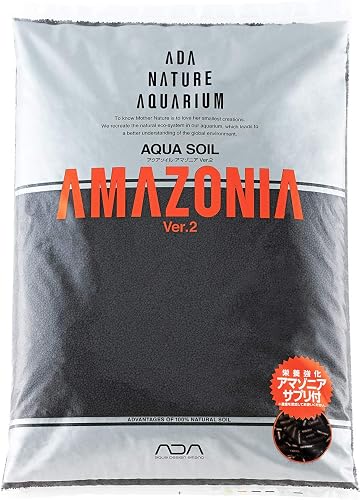
Prime ADA Aqua Soil Amazonia Ver 2 9L Planted Aquarium

Prime UNS Controsand Bora 3L Natural White Aquarium Sand

Prime CaribSea Eco-Complete African Cichlid Black Sand
As an Amazon Associate we earn from qualifying purchases. Product prices and availability are accurate as of the date/time indicated.
Pros
- Excellent root penetration for faster, fuller live plant growth
- Helps stabilize pH in the ideal range for shrimp and soft water tropical fish
- Porous granules provide large surface area for beneficial bacteria
- Natural appearance, does not discolor water when used as directed
Cons
- Lightweight granules can be stirred up by digging fish or strong filter flow
- Soft pellets can break down over time and may need refreshing in high tech tanks
- Buffers pH lower, so not ideal for African cichlids or other hard water species
Fluval Plant and Shrimp Stratum is a volcanic soil substrate made for freshwater planted aquariums, especially tanks with dwarf shrimp, bettas and community tropical fish. It is best for hobbyists who want live plants to root quickly and thrive without using plain gravel or sand.
In real tanks, roots penetrate the light granules easily, which encourages denser growth and better nutrient uptake when paired with liquid micronutrients. The porous structure also gives beneficial bacteria plenty of surface area, which helps keep the tank cycled and stable for sensitive livestock.
The granules have a natural dark look that makes green plants and colorful shrimp stand out, while the non compacting texture keeps the bed aerated for roots. It settles cleanly without tinting water and helps reduce organic discoloration from driftwood in aquascaped setups.
The lightweight texture is gentle on bottom dwellers and shrimplets, but it can be disturbed by large digging fish or powerful filters. It also buffers pH toward slightly acidic, so it is not the right choice for hard water species that need alkaline conditions.
Overall, this is one of the most reliable planted tank substrates for beginners and experienced aquascapers alike. If you keep live plants with shrimp or soft water tropical fish, it delivers healthy growth, clean water and a natural finished look.
Brand: Fluval, Model: 12695, Type: Plant and Shrimp Stratum freshwater aquarium substrate.
Form: Porous granules, Size: 17.6 lb bag, Dimensions: 4.5 x 12 x 19 inches.
Use: Freshwater planted tanks for fish and shrimp, supports neutral to slightly acidic pH.
Choose the 17.6 lb bag for medium to large tanks or deeper planting beds, smaller bags suit nano and betta tanks. Plan for about one inch to two inches of depth for most rooted plants.
Add substrate dry, plant stems directly into the moist granules, then fill slowly to avoid clouding. Avoid heavy rinsing, as it can break down the nutrient rich granules.
Pair with liquid plant micronutrients and moderate lighting for best growth. Avoid mixing with alkaline gravels if keeping soft water shrimp or pH sensitive plants.
Pros
- Superior plant growth and vibrant color from nutrient rich black soil plus root focused supplement
- Buffers pH and softens water to create ideal conditions for plants, tetras, shrimp and other soft water species
- Less algae and cloudy water issues than Version 1 according to experienced users
- Natural dark look and ideal granule texture for aquascaping slopes, carpets and stem plants
- Easy to use for beginners building a fully planted tank
Cons
- Causes an initial ammonia spike for several weeks, so tank must be cycled before adding fish or shrimp
- Nutrient supplement pellets are potent and must be placed carefully under the soil to avoid excess nutrients
- Premium aquasoil with higher upfront cost and may need root tabs over time as nutrients deplete
ADA Aqua Soil Amazonia Ver 2 is a 9 liter planted tank substrate made from rare Japanese black soil, designed for Nature Aquariums. It is built for beginners and experienced aquascapers who want lush growth, vivid color and crystal clear water.
Standout performance comes from the separate bag of Amazonia concentrate supplement placed under the soil to feed roots without clouding the water column. In real tanks, it buffers pH to slightly acidic soft water, supports strong root growth and helps reds and greens look richer.
The granules have a natural irregular shape with ideal size and density for planting and for holding slopes. The deep black color creates sharp contrast against plants and fish while giving a natural riverbed look that stays attractive over time.
The main drawback is the initial ammonia release during the first few weeks, which requires fishless cycling and frequent water testing. New hobbyists may also find the concentrate pellets strong if overdosed, and carpeting plants still need good light, CO2 and maintenance to thrive.
Overall, Amazonia Ver 2 remains the benchmark aquasoil for high tech planted tanks with cleaner water and fewer algae issues than the original. If you want premium substrate that rewards proper cycling with thriving plants and fish, this is the one to buy.
Brand: ADA, Model: Amazonia Ver 2, Volume: 9 Liters, Weight: 7 kg. Style: Japanese black soil for freshwater planted aquariums.
Includes base black soil plus separate Amazonia concentrate supplement for targeted root nutrition. Granule structure is designed for root development, aquascaping and natural appearance.
Best for freshwater Nature Aquariums with aquatic plants and soft water tropical fish. Not intended for marine or hard water cichlid setups.
Rinse is not required. Place concentrate pellets on the tank bottom where heavy root feeders will grow, then cap fully with Amazonia Ver 2 soil.
Fill slowly to avoid disturbing the substrate, then cycle fishless for several weeks with regular water changes and ammonia testing. Add plants early and livestock only after ammonia and nitrite read zero.
Use good lighting, CO2 and filtration for best carpet growth, and recharge with root tabs over time as nutrients are consumed.
Pros
- Soft fine grain is gentle on barbels, fins and shrimp
- Clean natural white look enhances plant colors and hardscape contrast
- Promotes stable rooting for live aquatic plants
- Versatile for aquariums, terrariums and paludariums
Cons
- Requires thorough rinsing before use to prevent cloudy water from fine particles
- Light white color shows fish waste, uneaten food and algae more easily and needs regular cleaning
- 3 liter bag provides limited coverage, so larger tanks will need multiple bags for proper depth
The Ultum Nature Systems Controsand Bora is a 3 liter natural white sand designed for freshwater planted aquariums and aquascaping. With a fine 0.4 to 0.9mm grain size, it is made for hobbyists keeping shrimp, bettas, bottom dwellers and community fish in aquariums, terrariums and paludariums.
In use, it provides a soft, siftable bed that shrimp and bottom dwelling species can explore without stress. The fine texture also anchors plant roots well, helping carpeting plants and stem plants establish and support a balanced ecosystem.
The sand has an irregular natural shape and clean white tone that brightens the tank and creates strong contrast with green plants, Dragon Stone and driftwood. It suits tropical, blackwater and biotope styles and works in both small nano tanks and larger aquascapes.
Maintenance is the main tradeoff. Like most white substrates, it shows debris and algae faster than darker sand, so light vacuuming and regular water changes help keep it bright. A good rinse before setup is also important to remove ultrafine dust and keep water clarity high.
Overall, Controsand Bora is an excellent pick for aquascapers who want a natural, plant friendly white sand that is safe for delicate livestock. If you want a bright, clean riverbed look with reliable planting performance, this is a strong choice.
Brand: Ultum Nature Systems, Model: UNSCSB3, Volume: 3 liters, Color: White, Grain Size: 0.4 to 0.9mm, Material: Natural sand.
Use: Planted aquariums and aquascaping, suitable for aquariums, terrariums and paludariums in tropical and blackwater styles.
Livestock Suitability: Shrimp, betta, bottom dwelling fish and community freshwater species that prefer soft, siftable substrate.
Pros
- Maintains high pH naturally for Malawi, Tanganyika and Victoria cichlids
- Live bacteria plus porous grains support strong biological filtration
- No rinse, dust free formula makes setup cleaner and quicker
- Black sand creates striking contrast that makes fish colors pop
- Adds essential minerals to support long term water stability
Cons
- Black color shows waste and debris easily, needs regular vacuuming
- One 20-pound bag may not cover larger tanks, multiple bags often needed
- High pH buffering is not suitable for soft water fish, plants or shrimp
CaribSea Eco-Complete African Cichlid Zack Sand is a 20-pound black substrate made specifically for African Rift Lake cichlids and other high pH fish. It is ideal for hobbyists setting up Malawi, Tanganyika or Victoria biotopes who want stable chemistry from the start.
The standout benefit is automatic pH buffering with calcium, magnesium and carbonate to resist the drops common in cichlid systems. Packed in a water conditioning solution with live purifying bacteria, it helps cycle new tanks faster while supporting long term biological filtration through its porous grains.
The fine Zack sand texture looks natural, encourages digging and sifting, and makes the colors of African cichlids stand out against the black background. The aragonite based grains are uniform and require no rinsing, so setup is cleaner and quicker than with typical sands.
Black sand does show uneaten food and waste more readily, so regular vacuuming is needed to keep it looking sharp. Because it actively buffers for high pH, it is not a good choice for soft water communities, tetras, discus or shrimp that need acidic conditions.
For dedicated African cichlid keepers, this is a convenient all in one solution that combines chemistry, biology and aesthetics. If you want Rift Lake conditions without constant chemical dosing, Eco-Complete is a proven, low maintenance foundation for a healthier tank.
Brand: CaribSea, Model 00777, 20-Pound black Zack sand for African cichlids.
Material: Aragonite based sand with calcium, magnesium and carbonate for pH buffering.
Biological: Contains live water purifying bacteria, packed in conditioning solution, no rinsing required.
Use: Freshwater Rift Lake cichlid aquariums, product dimensions 20 x 2 x 13 inches, made in USA.
| Timestamp | Part | Common at this level | Our 2026 pick | Why |
|---|---|---|---|---|
| Overview | setup | a similar setup in this class | CaribSea Eco-Complete | A grounded, currently sold option in the active soil substrate category. |
| Overview | gear | a similar setup in this class | Fluval Stratum | A grounded, currently sold option in the active soil substrate category. |
| Overview | gear | a similar setup in this class | ADA Amazonia | A grounded, currently sold option in the active soil substrate category. |
| Overview | gear | a similar setup in this class | UNS Controsoil | A grounded, currently sold option in the active soil substrate category. |
| Overview | gear | a similar setup in this class | Mosura shrimp soil | A grounded, currently sold option in the active soil substrate category. |
The most important choice is whether you want true active buffering or inert sand with root tabs. Fluval 12695 Plant and Shrimp Stratum is designed to sustain a neutral to slightly acidic pH range and its porous structure supports beneficial bacteria. It also offers shelter for newborn shrimp, which matters when babies need hiding places in the first days.
ADA Aqua Soil Amazonia Ver 2 (9L) is the richer planted tank option. It uses plant based black soil, helps naturally buffer pH and hardness for plants, and includes a separate bag of concentrate supplement for local enrichment. Granules have a natural irregular shape that looks natural and supports fast root development.
Sand choices change the plan. UNS Controsand – Bora, 3L is fine grained at 0.4 to 0.9mm, which suits bottom dwelling species and shrimp that like to sift. CaribSea Aquatics Eco-Complete African Cichlid is built to maintain high pH and resist pH drops, so it points away from soft water Caridina goals and toward hard water setups.
My Experience
I keep cherry shrimp in a small starter tank, which keepers commonly report as around 10 gallons for a stable first colony, with a soil style bed similar to Fluval Stratum. Roots from crypts and stems pushed through easily and the porous grains collected a light biofilm that babies grazed. I saw more tiny shrimplets out in the open once the plants filled in and the soil surface stayed undisturbed.
What I learned is to leave the soil alone and rinse only sand, not active soil. I do small water changes, feed lightly, and let the filter mature before adding shrimp. When I tried a high pH sand in a soft water tank, breeding slowed, so now I match the substrate to the shrimp, active buffered soil for Caridina style water and inert sand only for Neocaridina tap water colonies.
Comparison and Alternatives
Compare the top two paths from the table, CaribSea Eco-Complete style versus Fluval Stratum style. Stratum style is the safer pick if you want buffering, plant root penetration, and shelter for newborn shrimp in one bag. It is made for planted freshwater setups and helps keep water clear while supporting nitrifying colonization.
The CaribSea path needs care because the buyable option in our data, CaribSea Aquatics Eco-Complete African Cichlid, is formulated to maintain high pH and buffer automatically for cichlid systems with added calcium and magnesium. That is helpful for hard water fish but it works against you if your goal is soft, slightly acidic Caridina water. Do not buy this specific version for crystal shrimp unless you fully understand that mismatch.
For a tighter budget Neocaridina tank without buffering needs, UNS Controsand – Bora, 3L can work as a lower cost swap. It promotes root growth for plants, suits shrimp sifting behavior, and the maker recommends rinsing before use to keep water clear. You will need root nutrition for heavy feeders and you will not get pH buffering, so it fits cherry shrimp in tap water, not Taiwan Bee projects.
If you want maximum plant growth and rich color contrast, step up to ADA Aqua Soil Amazonia Ver 2 (9L). It is easy to handle for beginners who want a fully planted look with clear water, but it is nutrient rich and best cycled well before adding livestock. For remineralizing context, see our GH KH mineral guide and remember to dose gradually and test after each change.
Three Ways to Set This Up
Budget Starter With CaribSea Eco-Complete For Neocaridina
Use CaribSea Eco-Complete style substrate and adapt quantity and size to your own tank volume for a simple cherry shrimp starter. Pair it with easy plants like java fern, anubias, and a small moss patch for grazing. This suits you if you keep tap water Neocaridina and want simple maintenance without active buffering.
Skip this path if you plan to keep crystal shrimp or Taiwan Bees that need soft buffered water. In that case the African Cichlid type sand that holds pH high will fight your water goals. Choose a true active soil instead and cycle longer.
Balanced Pick With Fluval Stratum For Caridina Community
Use Fluval 12695 Plant and Shrimp Stratum and adapt quantity and size to your own tank volume for a balanced planted shrimp tank. It supports root penetration, bacterial colonization, and shelter for newborn shrimp while keeping a neutral to slightly acidic range. This is the version we recommend for most keepers moving from Neocaridina to Caridina style water.
This suits you if you use RO water with careful remineralization and want steady plants plus breeding. Follow your remineralizer maker chart, add minerals slowly, and test GH and KH behavior qualitatively over the first weeks as the soil settles.
Higher End Planted With ADA Amazonia For Taiwan Bee Tanks
Use ADA Aqua Soil Amazonia Ver 2 (9L) and adapt quantity and size to your own tank volume for a dense aquascape with Taiwan Bee style Caridina. The black grains make green plants and red and white shrimp stand out, and the included concentrate helps where heavy root feeders sit. This suits experienced keepers who cycle patiently and track water stability closely.
Skip this if you rescape often, hate early ammonia leach, or want the lowest maintenance. It needs a full cycle, gentle vacuuming, and stable CO2 free or low tech plant choices to avoid algae while the soil matures.
FAQ
Does Fluval Stratum lower pH for shrimp tanks. Yes, in qualitative terms it is made to sustain a neutral to slightly acidic range and buffer the water for plants and shrimp. Actual behavior depends on your source water, soil depth, and age of the soil, so test regularly and expect buffering to fade over time.
How deep should active soil be for a shrimp tank. There is no single number that fits every brand, and depth and brand affect buffering capacity and lifespan. Use enough for roots to anchor, slope slightly higher in back for planting, and check the specific product data sheet for your tank volume before you buy.
Can I use Eco-Complete African Cichlid sand for Caridina shrimp. We do not recommend it for Caridina that prefer soft and slightly acidic water. That specific CaribSea version is built to maintain high pH and resist pH drops for cichlid systems. Use Fluval Stratum or ADA Amazonia style soil for Caridina, and save high pH sand for hard water tanks.
Final Verdict
Active soil makes shrimp keeping easier when you match the soil to the shrimp, plants to the light, and patience to the cycle. For most readers, buffered soil with gentle maintenance beats sand with constant tweaks. If you want shrimp babies surviving in moss and roots, give them porous soil and cover from day one.
Our pick: the Balanced Pick With Fluval Stratum for a Caridina community, because it balances buffering, planting ease, and shelter for newborn shrimp for keepers moving up from Neocaridina in November 2026.
Write Your Review
No reviews yet. Be the first to share your experience!