

If you are trying to decide how long to quarantine new shrimp, you are really deciding how much safety margin your main colony needs before new arrivals join it. A short hold can work for homebred Neocaridina from a trusted keeper, while shop tank shrimp or mixed bulk lots deserve a longer watch period with daily checks.
Your answer depends on four variables: shrimp species and hardiness, the size and maturity of your quarantine and main tanks, your current water parameters, and your budget for spare gear. Get those four aligned first and the timeline almost picks itself, with less stress for you and for the shrimp.
What Actually Matters
Source Risk and Species Hardiness
Start with where the shrimp came from and what species you bought. Homebred Neocaridina davidi raised in water close to yours are low risk, while pet shop shrimp that shared water with fish or many different shrimp batches carry more unknowns. Keepers commonly report holding low risk homebred groups for about 14 days, and higher risk store or import groups for 21 to 30 days.
Hardiness matters too, but it does not erase shipping stress. The blue and orange Neocaridina types used as examples in this guide handle a wide range once settled, yet they still molt and hide heavily in the first week. If you keep sensitive Caridina alongside Neocaridina, lean toward a longer hold, because what hardy Neocaridina shrug off can still cause trouble in a Caridina tank.
Water Match and Tank Stability
Quarantine only works if the holding tank is stable and close to your main tank. For the Neocaridina in our example data, that means 65 to 80F, pH 6.5 to 8.0 and GH 6 to 8, with a cycled sponge filter, moss for grazing and a tight lid. Match temperature and general hardness closely, then drip acclimate slowly so you do not force a stressful molt on day one.
Test before shrimp arrive and again after the first day to confirm the two tanks agree. A simple routine around GH and KH testing helps you confirm the quarantine tub matches the display, and it keeps you from chasing pH with chemicals. If readings drift, do small water changes with matched water rather than one large reset that shocks new molts.
Observation Length and Daily Checks
Time in quarantine should be active observation, not just waiting out the calendar. Watch for steady grazing on biofilm, regular molts, clear shells and calm swimming in week one, then look for growth and normal social behavior in weeks two and three. Keepers commonly report that most shipping related losses and bacterial issues show within the first 10 to 14 days when the tank is warm, fed lightly and kept clean.
Feed very sparingly, remove uneaten food quickly and scan each morning for planaria, hydra, leeches or unusual deaths. If you lose one shrimp right after arrival but the rest graze and molt normally, that often points to shipping stress. If deaths continue past the first few days, or several shrimp turn milky, pinkish or lethargic, extend the hold and do not move anyone to the display tank.
To ground this framework, here are a few options that show the range for starter Neocaridina groups you might quarantine before adding them to a colony:
This article contains affiliate links. If you buy through one of our links, Shrimpyo may earn a commission at no extra cost to you. Commissions never influence which products we recommend or how we rank them. Read our Affiliate Disclosure for details.
Quick Picks at a Glance

20+ Live Blue and Orange Neocaridina Shrimp
As an Amazon Associate we earn from qualifying purchases. Product prices and availability are accurate as of the date/time indicated.
Pros
- Striking blue and orange mix adds vibrant contrast to planted tanks
- Hardy Neocaridina species tolerates a wide range of beginner friendly water parameters
- Helps control soft algae and leftover food without harming plants
- Large 20+ pack is ideal for starting or boosting a breeding colony quickly
Cons
- Color intensity may vary and shrimp often need time to settle before showing full color
- Requires a stable, cycled freshwater tank, not suitable for uncycled tanks or aggressive fish
- Mixed color pack will produce mixed offspring if bred, not ideal for selective breeders
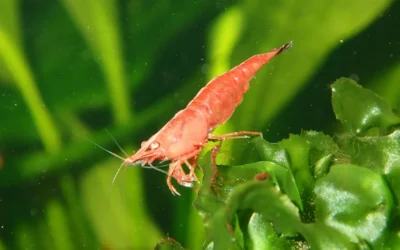
This 20+ pack of live blue and orange Neocaridina davidi shrimp is made for freshwater hobbyists who want instant color and natural tank maintenance. It is a strong fit for beginners, nano tank owners, and planted aquarium keepers looking to start a colony fast.
The standout appeal is the high grade blue and orange mix that pops against green plants and dark substrate once settled. In a cycled tank, these shrimp graze constantly on soft algae, biofilm, and leftover food across glass, wood, and leaves.
These shrimp arrive as juveniles growing up to 1 inch, a perfect size for nano and community setups with peaceful tank mates. As a hardy Neocaridina type, they adapt well to 65 to 80F, pH 6.5 to 8.0, and GH 6 to 8 when properly acclimated.
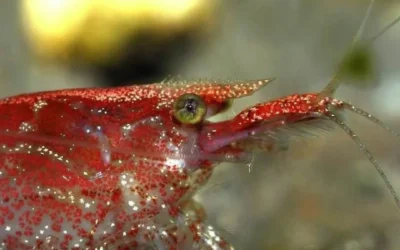
As with all live shrimp, color can look pale right after shipping and takes time, good feeding, and stable water to fully develop. A mixed color colony will also breed mixed color offspring, so selective breeders may prefer single color lines.
Overall, this is a colorful, hardy, and useful addition for peaceful freshwater tanks that need life and light cleaning help. If you want a large starter colony with visual variety and beginner friendly care, this blue and orange mix is an excellent choice.
Species: Neocaridina davidi, high grade blue and orange mixed colors for freshwater aquariums.
Quantity and Size: 20+ live shrimp, juveniles to adults growing up to 1 inch at full size.
Water Parameters: Thrives in 65 to 80F, pH 6.5 to 8.0, and GH 6 to 8 in stable, cycled tanks.
Tank Compatibility: Designed for nano tanks, planted tanks, and peaceful community setups with plant safe grazing.
Care Level: Hardy and beginner friendly invertebrates that feed on soft algae, biofilm, and leftover food.
Matching Gear to Your Tank
Use these common setups to match your quarantine length and gear to what you actually run at home. The goal is always the same: stable water, easy observation and zero shared water with the main colony until you are confident.
Scenario one is a first colony in a planted nano tank. You ordered 20+ Blue & Orange Live Freshwater Shrimp for a single mature display and you have no spare cycled filter yet. Set a simple bare bottom tub with seasoned sponge media borrowed from your main filter, moss and gentle air flow, and plan on a full observation period that keepers commonly report as about 21 days. Expect juveniles up to 1 inch to color up slowly as they settle, and wait for routine molts before you combine them.
Scenario two is adding new blood to an established Neocaridina colony. You already run a stable display and a small quarantine box held at the same 65 to 80F range with GH 6 to 8 and pH 6.5 to 8.0. Hold newcomers separately for two to three weeks, use separate nets and siphons, and compare grazing and molting between tanks. Our guide to breeding tank substrate choices explains why a bare quarantine bottom makes daily checks for molts, waste and pests far easier than a fully scaped tank.
Scenario three is a mixed room with both Caridina and Neocaridina. Keep Neocaridina quarantine fully separate and lean to the longer side, since pathogens and pests do not care which genus you prize most. Review our temperature gear for Caridina overview before you pick heaters or fans, because a quarantine tub that runs warm while your Caridina display runs cool can hide stress that only appears after the move.
Common Mistakes
Skipping the cycle in the quarantine tank is the most common error. A fresh tub with no beneficial bacteria can spike ammonia just when stressed shrimp are weakest, which looks like disease but is really water quality. Seed the sponge in your main tank for several weeks or keep the quarantine running with plants and light feeding, and test before shrimp arrive.
Moving shrimp too soon because they look colorful is another trap. Color often returns fast once Neocaridina settle and eat well, but internal bacterial issues can lag behind by a week or more. Wait for consistent molts, active grazing and zero unexplained deaths for at least a full week before you consider the group clear to join the colony.
Sharing gear between tanks without cleaning spreads problems faster than shrimp do. Nets, siphons, tweezers and even food dishes can carry parasites or bacteria, and pouring shipping water into your display is never worth the risk. Keep a dedicated net and siphon for quarantine, rinse hands between tanks and drip acclimate in a separate container you can disinfect.
My Experience
I learned this routine when I added a 20 plus blue and orange Neocaridina mix to my planted display that was holding steady at neutral pH and mid range hardness within GH 6 to 8. I kept them in a small bare tub with a seasoned sponge, java moss and a lid, did small matched water changes, and watched them for about three weeks until molts were routine and grazing never stopped. After that move they grew toward a full inch, colored up nicely and never caused a blip in the main colony.
Who Should Wait or Buy Differently
If your main tank is still cycling, swings in temperature or pH each day, or houses fish that hunt shrimplets, this type of bulk Neocaridina mix is not ideal for you right now. Wait until your water holds steady at 65 to 80F, pH 6.5 to 8.0 and GH 6 to 8 for several weeks, or start with a smaller test group plus a dedicated quarantine tub. Shoppers who want a pure line for selective breeding should also buy differently and choose a single color strain instead of a blue and orange mix that will produce mixed offspring.
Frequently Asked Questions
How long to quarantine new shrimp if they look perfect on day one?
Even active arrivals deserve a full hold, because stress molts and infections need time to appear. Keepers commonly report 14 to 21 days for Neocaridina from a trusted source, and closer to 30 days for shop or import lots. Use that window to confirm feeding, molting and zero odd deaths before mixing.
Do I need a separate cycled filter for quarantine?
Yes, a seasoned sponge filter and stable temperature matter more than a pretty tank. A bare tub with moss, a lid and gentle air flow is easier to clean, easier to observe and far safer for babies. Keep that filter, net and siphon dedicated to quarantine so you never cross contaminate the display.
Should I medicate new shrimp during quarantine?
For most Neocaridina, clean matched water and low stress beat preventative meds. Focus on holding GH 6 to 8 and pH 6.5 to 8.0, light feeding and daily checks, and only treat when you have a clear diagnosis. If deaths spread, extend quarantine and ask for help in our quarantine and disease basics archive with photos and full water readings.
Write Your Review
No reviews yet. Be the first to share your experience!