

Video credit: Marios Shrimp Tanks. Original video: https://www.youtube.com/watch?v=9bPhys8NL98. This is our own independent breakdown and is not affiliated with the video creator. As an Amazon Associate, Shrimpyo earns from qualifying purchases. Product prices shown in the video may have changed.
Watch the video
Product breakdown
- SF BAY Indian almond leaves
- Fluval catappa leaves
- Cholla wood
- Alder cones
- Mulberry leaves for shrimp
This breakdown is our own summary of the video for reference. Confirm current specs and price on the retailer page before buying.
Watch the Video
This is our own independent breakdown and is not affiliated with the video creator. As an Amazon Associate, Shrimpyo earns from qualifying purchases. Product prices shown in the video may have changed.
Adding leaves, wood and cones is one of the simplest ways to make a shrimp tank feel more natural and lived in. This video gives you a real world look at a setup in this class, with botanicals added across several shrimp tanks to support grazing, shelter and breeding behavior. Think of the picks below as what you can buy in 2026 if you want a similar setup in this class, not as gear the creator used.
What This Video Covers
This video from Marios Shrimp Tanks covers a botanicals shrimp tank tutorial, with a focus on adding natural materials to all of his shrimp tanks and watching how the colonies respond. You see leaves and wood going into active, inhabited tanks rather than a dry scape demo, which makes it useful if you keep Neocaridina or Caridina and want ideas you can copy slowly. It is a setup in this class, meaning low tech, shrimp first, and centered on biology instead of equipment.
This approach suits Neocaridina cherry type shrimp very well, and it also suits Caridina and Amano shrimp when you keep the addition light and observe. Baby shrimp and shrimplets benefit the most because softening leaves grow a grazing film they can pick at all day. If you keep snails, plecos or crayfish in a shrimp friendly community, you will see the same grazing interest, which is why mulberry and almond style leaves show up so often in shrimp rooms.
In terms of scale, this is small tank shrimp keeping, the kind of nano and starter colony tanks that keepers commonly report as a practical starting point for Neocaridina. You do not need a large system to use botanicals, and in fact small volumes show tannin tint faster. That is both the charm and the tradeoff at this level. A light addition gives you warm tinted water and cozy cover, while a heavy hand can darken the water more than you expected and make it harder to see shrimplets.
The main tradeoff is natural function against maintenance. Leaves, cholla wood and alder cones all grow biofilm, offer hiding spots for molting shrimp, and give berried females places to rest. At the same time, every botanical softens and breaks down, so you take on regular checks and removal of soft material. If you like crystal clear water with no tint, botanicals may frustrate you. If you like natural behavior and steady grazing, you will likely enjoy them.
No verified GH, KH or TDS numbers are stated in this video, so keep your expectations qualitative. Think in terms of gentle tannins, slightly softened feel, and more surface area, not specific test kit shifts. Steep or rinse botanicals before adding them to reduce tannin shock in a small tank, and remove decomposing leaves once they turn soft. Quantity depends on tank size and desired tannin level, not a universal count, so start light and add more only after you see how your water and shrimp respond. For more background on prep, see how to choose indian almond leaves for shrimp tanks and the Indian Almond Leaves + Botanicals archive.
If you are deciding between leaves alone or a mixed botanical approach, the video is helpful because it shows the mindset of treating botanicals as habitat, not decoration only. Leaves feed the tank slowly, wood creates lasting structure, and small cones add interest without taking much space. That mix is why many keepers rotate materials instead of relying on one type. You can learn more about timing in how to choose catappa leaves for shrimp tanks and compare bundle ideas in botanical bundles for 10 gallon shrimp tanks tested.
Timestamp Breakdown
This is the core of the article. Use it as a shopping map for building a similar setup in this class in 2026. The left column describes what is common at this level, while the right column names our current grounded pick you can actually buy today.
This article contains affiliate links. If you buy through one of our links, Shrimpyo may earn a commission at no extra cost to you. Commissions never influence which products we recommend or how we rank them. Read our Affiliate Disclosure for details.
Quick Picks at a Glance

Prime Rani Bay Leaf Whole Spice 3.5oz Extra Large Hand

Fluval Betta Tropical Almond Leaves 10-Pack
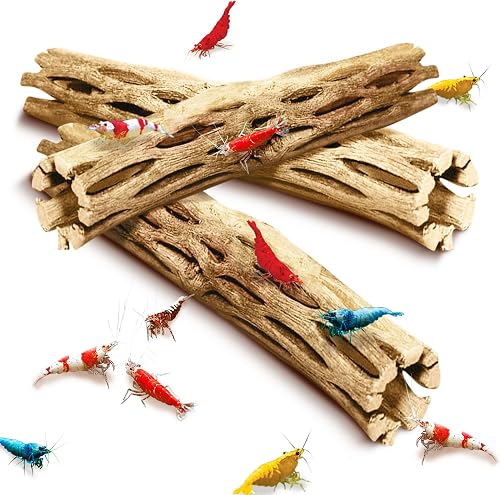
Prime SunGrow Cholla Wood 3-Pack 6 Inch
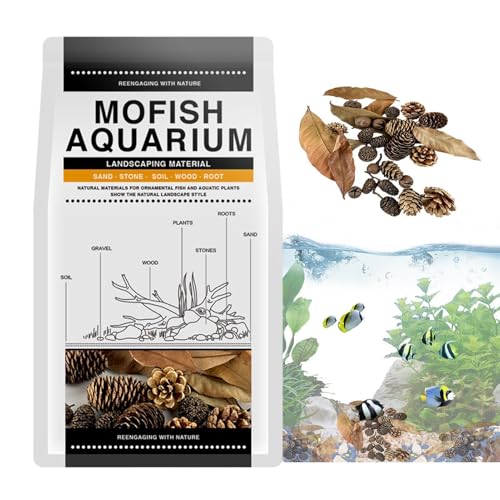
Alder Cones for Shrimp Aquarium

Prime MAHYIM Dried Mulberry Leaves for Shrimp, Snails
As an Amazon Associate we earn from qualifying purchases. Product prices and availability are accurate as of the date/time indicated.
Pros
- Large, intact whole leaves with strong fresh aroma
- Authentic Indian Tej Patta flavor ideal for Indian and global recipes
- Clean label: natural, NON-GMO, gluten friendly, vegan and kosher
- Resealable packaging helps maintain freshness over time
Cons
- Whole leaves are for flavoring only and must be removed before serving
- Needs longer simmering to fully release flavor compared to ground spices
- Large leaves may need to be broken to fit small pots or storage jars
Rani Bay Leaf is a pack of whole, extra large Tej Patta sourced from India and hand selected for size and quality. It is made for home cooks, curry lovers and meal preppers who want authentic aroma in everyday cooking.
In real world use, these leaves release a warm, woodsy and lightly sweet flavor that deepens soups, dals, biryani, stews and stocks. The whole leaf format holds up well to long simmering and infuses evenly without clouding the dish.
Leaf quality is a clear highlight, with large, mostly intact and clean leaves that look and smell fresh on opening. The sturdy resealable bag helps protect essential oils and keeps the spice fragrant through many uses.
As with all whole bay leaves, they are for flavoring only and must be removed before serving. You will also need longer cook time to get full flavor compared to ground spices.
Overall, this is a reliable, flavorful pantry staple for anyone who cooks Indian food or hearty slow cooked meals regularly. If you value freshness, clean ingredients and authentic Tej Patta character, it is an easy choice.
Rani Bay Leaf comes as whole dried leaves in a 3.5oz or 100g pack. The product is identified as Indian Tej Patta, known for its bold aroma and classic culinary use.
It is all natural, NON-GMO, gluten friendly, vegan and kosher. The leaves are hand selected for large size and packed by Rani Brand to preserve freshness and consistency.
Add one to two whole leaves to rice, lentils, soups, curries, braises or stock at the start of cooking. Simmer for at least 20 to 30 minutes to fully release the flavor.
Remove the leaves before serving. Store the resealed bag in a cool, dry place away from light to maintain potency for months.
Pros
- Native to wild betta habitats for authentic environmental enrichment
- Naturally lowers pH to help create ideal water conditions
- Supports fish health without chemical additives
- Easy to use, just add leaves and replace when disintegrated
- Natural look enhances aquarium decor while serving a functional purpose
Cons
- Leaves naturally disintegrate and must be removed and replaced every 4-6 weeks
- May tint aquarium water slightly from tannins, which some keepers may not prefer
- Dosing is designed for small volumes, so larger tanks need careful monitoring
Fluval Betta Tropical Almond Leaves are natural botanical leaves made for betta aquariums. They are ideal for betta keepers who want to recreate wild habitat conditions and support fish wellness naturally.
In real world use, you add 1 to 2 leaves per 2.6 gallons and let them work passively. They release natural tannins that help lower pH and support stable, betta friendly water conditions.
The leaves feature a natural color and texture that blends well into planted or biotope style tanks. They serve as both functional water treatment and authentic decor that makes the aquarium look more natural.
As with all natural leaves, they will soften and break down over time and need replacement every 4 to 6 weeks. They can also give water a light tea tint, which is normal for almond leaves but may not suit fans of crystal clear water.
Overall, this 10-pack is a simple, chemical free way to enrich a betta tank. If you want better habitat authenticity, gentle pH support, and easy maintenance, it is a smart and natural choice.
Use 1 to 2 leaves per 2.6 US gallons or 10 liters of aquarium water. Simply rinse lightly and place the leaves directly in the tank.
Leave them in place to condition water and provide shelter. Remove disintegrated leaves and replace every 4 to 6 weeks to maintain effectiveness.
Pros
- Natural, chemical-free wood suited for sensitive shrimp and invertebrates
- Multifunctional decor that works as shelter, grazing surface and climbing structure
- Lightweight and easy to arrange in nano tanks, shrimp colonies and pleco setups
- Popular choice for breeding tanks and natural habitat enrichment
Cons
- Natural product, so size, girth and hole pattern vary between pieces
- Requires soaking in hot saltwater and waterlogging before it will sink
- May release light tannins or develop temporary biofilm fuzz in new tanks
The SunGrow 3 Pack Shrimp Cholla Wood includes three 6 inch natural husks from the cholla cactus, made for freshwater aquariums. It is designed for shrimp keepers, snail owners and pleco tanks that need natural shelter and foraging areas.
In real tanks, the porous surface quickly develops biofilm that shrimp graze on throughout the day. The hollow tubes serve as climbing logs, play areas and cozy hideouts where shrimp can molt, rest and feel secure.
Each piece is raw, lightweight and naturally varied in girth, hole pattern and tone, which adds realism to aquascapes. The soft, chewable texture is gentle for invertebrates yet sturdy enough to arrange into caves or lean against plants and rocks.
Because it is a natural wood, pieces will float at first and need soaking in hot saltwater until waterlogged. You may also see initial tannin tint or light biofilm fuzz, which is normal and typically clears as the tank matures.
For anyone building a natural shrimp colony, breeding tank or pleco habitat, this is a simple and effective enrichment. It combines decor, shelter and grazing in one easy to arrange 3 pack.
Brand: SunGrow, Quantity: 3 pieces of natural cholla wood, Length: 6 inch branches for aquarium use. Material: Raw dried husk of cholla cactus with porous, lightweight structure.
Compatibility: Designed for shrimp, snails, plecos and small fish in freshwater fish tank setups. Use for shelter, grazing surface, climbing enrichment and natural decor.
Preparation: Soak in hot or boiling saltwater, sun dry, then waterlog before placing in tank. Natural variation in girth and shape should be expected with raw wood.
Rinse each piece, then soak in hot saltwater until fully waterlogged so it sinks and stays in place. Arrange the three logs separately for multiple hideouts or group them to form caves and tunnels.
Place near plants or moss to create shaded resting spots and breeding cover for baby shrimp. Monitor new setups for light fuzz or tint, and perform regular water changes as the wood matures in your tank.
Pros
- Natural, organic botanical blend with alder cones, pinecones and leaves
- Helps condition water with tannins for a more authentic environment
- Provides shelter and foraging surfaces that shrimp and shy fish use daily
- Simple prep by soaking in boiled water before adding to tank
- Works for a wide range of freshwater species and aquascape styles
Cons
- Requires soaking for a few days before use, not an instant addition
- Mixed botanical contents and sizing lack detailed specifications
- Tannins will tint water, which may not suit crystal clear tank preferences
This alder cone botanical mix is designed as a natural water conditioner, decor element and shelter for freshwater shrimp, bettas and small fish. It is ideal for hobbyists building a botanical style or blackwater inspired nano tank with more natural cover.
Standout features include tannin release, mineral support and multifunctional use as food source enhancement and hiding place. In real world use, the cones and leaves help create softer looking water while giving shrimp grazing surfaces and shy fish private resting areas.
Build quality centers on natural, eco sourced botanicals that are boiled for cleaner handling. The mixed husk assortment adds varied texture and a realistic forest floor look that lasts for months in the aquarium.
Drawbacks include the required prep time, since pieces need soaking in boiled water for a few days before placement. Water tinting from tannins is expected, and exact piece count and size can vary between packs.
Final verdict: a practical, low maintenance choice for shrimp keepers and natural aquascapers who want conditioning benefits plus decor. If you prefer tinted water and organic cover over synthetic ornaments, this mix fits well.
Soak the botanicals in boiled water for a few days, then rinse before adding to your aquarium. Start with a small amount to control tannin color and observe livestock response.
Place cones and leaves near plants, wood or caves to create shelter zones for shrimp and bottom dwellers. Replace pieces as they slowly break down to maintain appearance and function.
Product type: natural aquarium botanical mix with alder cones, pinecones and leaves. Color: mixed husk. Intended use: freshwater shrimp, betta, catfish, turtle and community tanks.
Package dimensions: 8.35 x 6.1 x 4.65 inches. Preparation required: soak in boiled water before aquarium use. Effect: tannin release, natural decor, shelter and biofilm support.
Pros
- Whole leaf format supports natural grazing for both adult and baby shrimp
- Compatible with wide range of plant eaters, from Neocaridina to plecos and crayfish
- Easy to dose for nano tanks or large colonies by using whole or torn pieces
- Includes extra leaves to account for breakage during handling
Cons
- Small 10 gram pack may be used quickly in heavily stocked tanks
- Requires rinsing and monitoring, with uneaten leaf needing removal to protect water quality
- Some leaves may arrive broken despite extra packing
MAHYIM Dried Mulberry Leaves are whole, naturally dried leaves designed as a plant based supplemental food for freshwater aquariums. They are made for Neocaridina, Caridina and Amano shrimp plus snails, plecos, crayfish and crabs.
Once in water, the leaves soften slowly to create a natural grazing surface that shrimp and snails can pick at for days. This slow feeding style supports natural foraging behavior and is especially helpful for baby shrimp and bottom feeders.
The pack includes 10 grams of whole leaves, roughly 10 to 15 leaves, that are easy to portion for any tank size. Use a whole leaf for larger colonies or tear off a piece for nano tanks, and extra leaves are included to cover breakage.
Preparation is simple but requires a quick rinse, with an optional hot water soak to help the leaf sink faster. You will need to monitor leftovers and remove uneaten material to keep water clean, and heavy stocking will go through the small pack quickly.
Overall, this is a clean and convenient variety booster for keepers who feed a balanced staple diet and want natural enrichment. If you keep plant eating shrimp, snails or plecos, it is a practical grazing treat to have on hand.
Rinse each leaf with clean water before adding it to the tank. For faster sinking, briefly soak in hot water until soft, then place it on the substrate where shrimp and snails feed.
Start with a small piece in nano tanks and a whole leaf in larger or heavily stocked tanks. Leave it for several days for grazing, then remove any uneaten skeleton to protect water quality.
| Timestamp | Part | Common at this level | Our 2026 pick | Why |
|---|---|---|---|---|
| Throughout video | setup | a similar setup in this class | SF BAY Indian almond leaves | A grounded, currently sold option in the almond leaves botanicals category. |
| Throughout video | gear | a similar setup in this class | Fluval catappa leaves | A grounded, currently sold option in the almond leaves botanicals category. |
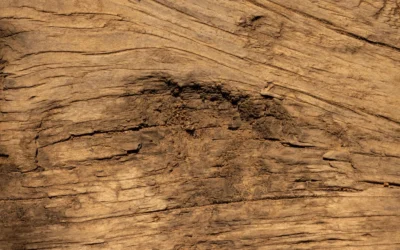
| Throughout video | gear | a similar setup in this class | Cholla wood | A grounded, currently sold option in the almond leaves botanicals category. |
| Throughout video | gear | a similar setup in this class | Alder cones | A grounded, currently sold option in the almond leaves botanicals category. |
| Throughout video | gear | a similar setup in this class | Mulberry leaves for shrimp | A grounded, currently sold option in the almond leaves botanicals category. |
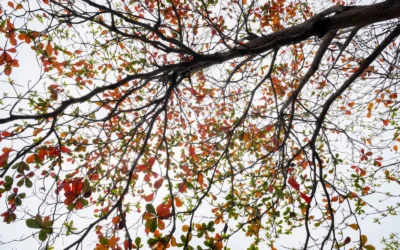
The most important choice is your base leaf. Almond style and catappa style leaves are the workhorses because they sink after soaking, tint the water gently, and soften into grazing surfaces. The product guidance for Fluval Betta Tropical Almond Leaves Aquarium suggests adding a small amount per volume and replacing leaves every 4 to 6 weeks once they disintegrate, which matches how I manage my own tanks. Start with a light addition, watch clarity for a few days, then decide if you want more tint.
Wood and cones are about structure more than tint. SunGrow 3 Pack Shrimp Cholla Wood gives you porous tubes that shrimp climb on, hide inside, and graze over, and the brand notes soaking in hot water and sun drying before placement plus natural variation in girth. Alder cones take almost no space and suit nano tanks where a full leaf feels large. They still release tannins, so rinse or steep them first if your tank is small and you want to avoid a sudden color change.
Mulberry leaves play a different role as a supplemental grazing food. They soften after placement and create an easy surface for adult shrimp, babies and snails to pick at over several days. The key is to rinse before use, add a modest portion for your colony size, and remove uneaten soft material if water clarity slips. Rani Bay Leaf (Leaves) Whole Spice Hand Selected represents the bulk leaf style many keepers use for this kind of low cost, replaceable botanical habit, while mulberry is the treat leaf you rotate in.
My Experience
I keep Neocaridina cherry shrimp in a small planted colony tank, a size keepers commonly report as around 10 gallons for a starter group, with sponge filtration and moss for cover. When I added catappa style leaves like Fluval Betta Tropical Almond Leaves Aquarium, the shrimp explored them within hours and the shrimplets camped underneath as the leaf softened. I follow the same rhythm the package describes, removing disintegrated pieces and replacing every 4 to 6 weeks so debris does not build up.
Cholla wood has been the most durable part of my botanical mix. I soaked the pieces in hot water first, as directed for SunGrow 3 Pack Shrimp Cholla Wood, then placed one tube near moss where molting shrimp could hide. It grows a light film that shrimp graze between feedings, and it does not need replacing as often as leaves. My takeaway is simple, leaves drive daily grazing activity, wood holds the territory together.
Comparison and Alternatives
The top two picks are both leaf options, SF BAY Indian almond leaves as the budget base and Fluval catappa leaves as the curated mid range choice. In practice they serve the same job, which is gentle tint plus a softening grazing surface, but the buying experience differs. Bulk style leaves give you more material to experiment with across several tanks, while a counted pack like the Fluval 10 pack makes portioning easier when you only run one or two nano tanks.
For preparation, both benefit from a rinse or short steep before they go in, especially in small volumes where tannins show quickly. The Fluval guidance to add a small amount per volume and replace disintegrated leaves every 4 to 6 weeks is a good default for either leaf if you do not have your own routine yet. If you want very light tint, steep longer and discard the first dark soak water. If you like a deeper natural look, add a second piece only after the first has settled for several days.
Ratings from buyers tell a useful story here. The bulk leaf style represented by Rani Bay Leaf (Leaves) Whole Spice Hand Selected carries a 4.6 out of 5 rating from thousands of reviews, which suggests consistent satisfaction for general leaf use. The Fluval pack holds a 4.5 out of 5 rating in its category, and the SunGrow cholla holds a 4.4 out of 5 from thousands of reviews, which lines up with my view that wood is a steady, well liked shelter option rather than a quick fix.
If your budget is tighter, skip the multi type haul at first and pick one lane. Alder cones are a smart lower cost swap for testing tannins in a nano tank because they take little space and you can add or remove them easily. Mulberry leaves are another focused swap if your main goal is supplemental grazing food rather than tint and cover. Who should not buy the full mix right away, anyone with a brand new uncycled tank, anyone fighting cloudy water, or anyone who prefers no tint at all.
Three Ways to Set This Up
There is no single correct amount of botanicals, so adapt quantity and piece size to your own tank volume and the tint you like. These three builds use the same idea at different levels of cost and structure.
Budget Neocaridina Starter With SF BAY Indian Almond Leaves
Use SF BAY Indian almond leaves as your base, adapted to your tank volume with a light first addition. Add alder cones only if you want a touch more tannin without covering the substrate. This suits new Neocaridina keepers who want simple grazing and cover with easy removal when leaves soften.
Balanced Caridina Grazing Setup With Fluval Catappa Leaves
Use Fluval Betta Tropical Almond Leaves Aquarium as your measured leaf, following the small amount per volume guidance and the 4 to 6 week replacement rhythm. Pair it with mulberry leaves for shrimp as a rotating grazing treat for babies and snails. This suits Caridina keepers and careful observers who want consistent portions and regular upkeep.
Higher End Shelter Setup With Cholla Wood
Use SunGrow 3 Pack Shrimp Cholla Wood as lasting structure, with almond leaves tucked around it for grazing. Soak wood in hot water and sun dry before placement, then arrange tubes to form hides and climbing routes. This suits Taiwan Bee and showcase colony tanks where you want durable shelter that stays in place while leaves come and go.
FAQ
Do botanicals help shrimp breed?
Botanicals do not force breeding, but they support the conditions shrimp like, which are cover, grazing film and calm resting spots. Many keepers report more visible baby activity once soft leaves and wood are in place. Keep water stable, feed lightly, and let the colony settle.
How often should I replace almond leaves in a shrimp tank?
Replace leaves once they turn very soft, break apart or lose shape. The Fluval leaf guidance suggests removing disintegrated leaves and replacing every 4 to 6 weeks to maintain effect. In warm tanks with large colonies, you may need to check sooner.
Do I need to prepare cholla wood and cones before adding them?
Yes, a simple prep step helps a lot. Rinse or steep leaves and cones to reduce loose dust and initial tannin surge, and soak cholla wood in hot water before placing it so it waterlogs and sits stable. Remove any piece that turns mushy, smells off, or clouds the water.
Final Verdict
Botanicals work best when you treat them as slow habitat, not instant chemistry. Start with leaves for grazing, add wood when you want lasting shelter, and use cones or mulberry only to fine tune tint or feeding variety. If you stay light, observe, and remove soft material on time, most Neocaridina and Caridina colonies take to them quickly.
Our pick: the balanced Caridina grazing setup with Fluval catappa leaves, because it is easy to portion, simple to maintain on a 4 to 6 week cycle, and pairs well with cholla shelter for keepers who want both grazing and cover.
These picks are not a good fit if you want crystal-clear, tint-free water; botanicals naturally tint the water and are aimed at keepers who want that look and the microfauna it supports.
Write Your Review
No reviews yet. Be the first to share your experience!