

If you are asking how often to change ro membrane for shrimp tank for cherry shrimp, you are really asking when your water is no longer stable enough for steady molts and breeding. Cherry shrimp are hardy for Neocaridina, yet they still depend on consistent source water, especially if your tap swings with the seasons.
Always follow the manufacturer's dosing chart for your specific remineralizer, remineralize gradually rather than all at once, and test your water after dosing to confirm you are in a safe range before adding shrimp.
The decision comes down to four variables: your shrimp species and hardiness, your tank size and water change volume, your current water parameters and tap quality, and your budget for prefilters and membranes. This buying guide gives you a simple framework to weigh those factors, plus a look at a few options that show the range in 2026. For broader background, browse the RO System + Remineralize guides before you buy.
What Actually Matters
Rejection Performance, Not Just Calendar Age
A membrane does not fail all at once. It slowly lets more dissolved solids through, so your product water creeps up while your waste ratio and production speed also shift. That is why experienced keepers watch performance instead of guessing a date.
Get in the habit of testing TDS after the RO stage and before DI, then again after DI, and write down your clean baseline when prefilters and membrane are fresh. When you see a sustained rise that does not resolve with a flush or new prefilters, the membrane is telling you it is near the end. This habit matters more than any fixed schedule, and it pairs well with accurate TDS control practices.
Feed Water, Prefilters, and How Much Water You Make
Your membrane only lives as long as your prefilters allow. In most aquarium units, water first passes a sediment filter that catches sand, silt, dirt and rust, then a carbon block that helps take out chlorine and unpleasant smells. If those stages clog or exhaust, chlorine and particulates reach the thin film composite layer and shorten its life.
Volume matters too. A unit rated at 50 GPD, 75 GPD, or 90 GPD describes daily production capacity under ideal conditions, not lifespan. A keeper making small top offs will wear a membrane far slower than someone supplying a breeding rack with frequent changes. Incoming pressure and temperature also affect output and stress.
As a reference point, one widely used replacement membrane lists a life expectancy between 24 to 36 months, based on average feedwater quality, temperature, and incoming water pressure. Treat that as a planning window for cherry tanks with decent tap, not a promise. Poor well water, high sediment, or neglected prefilters can pull that window much shorter.
Fit, Flow Rate, and System Style
Membranes are not universal in fit, even when they look similar. Many residential style membranes use an industry standard element size around 11.75 x 1.75-inch, designed to fit standard 1812 or 2012 housings with a 2-inch internal diameter. Other systems use a 2 inch by 12 inch style housing, so always match length, diameter, and GPD rating to your existing housing.
Also consider how your system is built. Compact 4-Stage RO/DI units combine sediment, carbon, RO membrane, and color changing DI resin in one chain, with resin shifting from blue to tan when exhausted. Twist in cartridge designs make swaps faster with no tools, while standard housings give you more third party membrane choices. Pick the style you will actually maintain, because delayed swaps hurt stability more than brand differences.
Cherry Shrimp Stability Needs
Cherry shrimp tolerate a wider range than Caridina, but they still dislike sudden shifts. A tired membrane often shows up as slower breeding, patchy molts, or algae shifts after water changes, because each batch of new water carries a slightly different load. Keepers commonly report that stable, remineralized RO water gives more predictable berried females than variable tap.
Think of the membrane as the foundation and remineralization as the tuning. After RO/DI you add minerals back in a controlled way, and you can supplement calcium and magnesium with decor style sources between changes. The goal is the same batch to batch profile every time, so your test kit readings stay boring. If readings drift upward even with fresh DI resin, suspect the membrane first.
To make this concrete, here are a few options that show the range, from standalone replacement membranes to complete small RO/DI systems and a mineral support rock often used in shrimp tanks:
This article contains affiliate links. If you buy through one of our links, Shrimpyo may earn a commission at no extra cost to you. Commissions never influence which products we recommend or how we rank them. Read our Affiliate Disclosure for details.
Quick Picks at a Glance
Prime SpectraPure 90 GPD RO Membrane Bundle

Prime Membrane Solutions 50 GPD RO Membrane
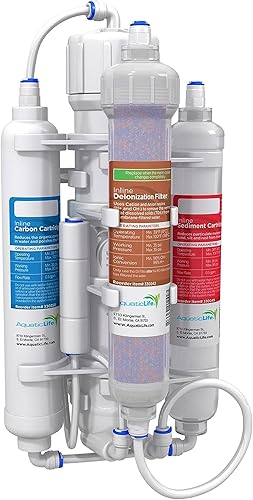
Aquatic Life RO Buddie 4-Stage RO/DI Aquarium

Aquatic Life Twist-In 4-Stage RO/DI Aquarium

Prime SunGrow Shrimp Mineral Rocks with Calcium
As an Amazon Associate we earn from qualifying purchases. Product prices and availability are accurate as of the date/time indicated.
Pros
- Compatible with multiple SpectraPure RO and RO/DI system lines
- Fits standard membrane housings with no special adapters needed
- High 90 GPD flow rate suits medium to large aquariums
- Bonus lint-free towel adds practical cleaning value
Cons
- Designed only for 90 GPD rated systems, not interchangeable with other capacities
- Installation requires following RO system directions, which may challenge beginners
- Bundle includes only membrane and towel, prefilters or DI resin not included
The SpectraPure 90 GPD Membrane Bundle pairs a replacement RO membrane with a MarineAndReef cleaning towel for aquarium upkeep. It is built for hobbyists using 90 GPD rated RO or RO/DI systems who want consistent pure water for fish, corals and drinking water setups.
With a 90 gallon per day output, this membrane delivers fast production for regular water changes and top offs. As standard equipment in SP, CHP, MPRO, MPDI and MPDW systems, it offers proven filtration performance and dependable compatibility.
The 2 x 12 inch membrane fits standard housings for a straightforward swap during maintenance. The included 19 x 15 inch microfiber towel is durable, lint free and ideal for cleaning glass and acrylic without leaving residue.
It is not a universal capacity replacement, so you must have a 90 GPD rated system for proper function. Installation also requires following your RO system directions closely, which can be tricky for first time users.
Overall, this two piece bundle is a practical maintenance buy for SpectraPure owners. It combines trusted membrane quality with a useful cleaning accessory for clearer tanks and simpler upkeep.
Brand: Inland Seas, Manufacturer: SpectraPure, Model Name: 90 GPD, Number of Items: 2.
Membrane Size: 2 x 12 inches for standard housings, Towel Size: 19 x 15 inches, Item Weight: 9.6 ounces.
Package Dimensions: 12 x 4 x 4 inches, Specific Use: For producing aquarium RO water, Color: blue.
Warranty: 1 year, Directions: Follow your RO system directions for installation and use.
This 90 GPD membrane is designed for any RO system with a 90 GPD rating. It drops into standard membrane housings without modification.
It is standard equipment for SpectraPure SP, CHP, MPRO, MPDI RO/DI and MPDW Drinking Water Systems. Check your system manual to confirm 90 GPD capacity before ordering.
For best results, replace according to your system maintenance schedule and rinse as directed. Pair with clean prefilters to protect membrane life and maintain output quality.
Pros
- High 97% stabilized salt rejection with users reporting single digit TDS output
- Simple drop in installation in standard 1812 and 2012 housings, including RO Buddie systems
- Food grade thin film composite material tested by independent third party to NSF/ANSI 58
- Long service life up to 36 months based on feed water quality and pressure
Cons
- 50 GPD flow is slower than higher capacity membranes, not ideal for high demand households
- May clog faster with hard or high sediment feed water if pre filters are not maintained
- Snug fit in some housings can make removal difficult during replacement
The Membrane Solutions ROULP-1812-50 is a residential replacement membrane for standard under-sink RO drinking water systems. It is designed for homeowners, renters with RO units, and aquarium or reef keepers who need purified water with low TDS.
Standout performance comes from NSF/ANSI 58 certification with up to 99 percent TDS removal and 97 percent stabilized salt rejection. In real use, owners report drops from around 220 TDS to single digits and 4 to 5 ppm output, with improved taste and clarity for drinking and reef tanks.
Build quality centers on a food grade thin film composite layer with 0.0001 micron filtration in a spiral wound element. The industry standard 11.75 x 1.75 inch size fits 1812 and 2012 housings, and it arrives dry sealed to keep the membrane fresh until installation.
There are a few tradeoffs to note. The 50 GPD rating suits small to medium households but feels slow for heavy use, and very hard water can shorten life without proper pre filtration. Some users also find the element tight to remove from certain housings.
Overall, this is a reliable, universal fit membrane that delivers certified filtration and strong value for routine RO maintenance. If you want to restore flow and purity to your existing RO system, it is a smart pick.
Model: ROULP-1812-50, 50 GPD residential RO membrane
Certification: NSF/ANSI 58 tested by independent third party
Filtration: 0.0001 micron TFC with up to 99 percent TDS removal
Size: 11.75 x 1.75 inch standard 1812 element for 2 inch housings
Life Expectancy: 24 to 36 months depending on water quality and pressure
Pros
- Produces true 0 TDS water ideal for reef tanks and soft water setups
- Easy to set up and portable enough to use at laundry sink or take to different faucets
- Compact wall mount design saves space and suits apartments and fish rooms
- Color changing DI resin makes maintenance timing clear and simple
Cons
- Does not remove chloramines, so some city water users need extra treatment
- 50 GPD output is slow for larger tanks and requires planning ahead
- DI cartridge plugs and supply hose fittings can be very tight on first setup
The Aquatic Life RO Buddie is a compact 4-stage reverse osmosis and deionization system built for aquarium hobbyists. It is designed for nano reef keepers, freshwater aquarists and plant growers who need pure, low TDS water from tap.
Water passes through sediment, carbon, RO membrane and color changing DI resin to deliver polished zero TDS output. In real world use, it handles moderately soft tap water well and creates gentle, stable water for sensitive corals, fish and carnivorous plants.
Weighing under four pounds and measuring just under 14 inches long, the unit is truly portable and wall mountable. Cartridges connect with simple push fittings, and the DI resin shifts from blue to tan so you know exactly when replacement is due.
It is not perfect for every home. It will not remove chloramines, flow is slow for larger volume tanks, and some users find the DI plugs and hose connections very tight on first setup.
Overall, the RO Buddie stands out as an affordable, reliable entry into RO/DI filtration. If you maintain a small to medium aquarium and want clean water without hauling jugs from the store, it is an excellent buy.
Filtration: 4-stage sediment, carbon block, RO membrane, DI resin. Purification method: Reverse osmosis and deionization for aquarium use.
Performance: 50 GPD output, supports up to 500 PPM inlet TDS. Max temperature rating 100F, compact non electric operation.
Design: Wall mount and portable, measures 13.75 x 7.5 x 6 inches and weighs 3.9 pounds. Includes RO Buddie cartridge system with 1-year limited warranty.
Pros
- Tool-free twist-in cartridges make filter changes quick and beginner friendly
- Produces very low TDS water, often 3 to 5 ppm in real world use, ideal for remineralizing
- Compact and leak-free build fits easily under sinks or in fish rooms
- Versatile for reef tanks, freshwater tanks, houseplants and drinking water
Cons
- Slow output flow means filling large tanks or 20 gallon containers takes several hours
- Does not remove chloramines, so it may not suit some city tap water without pretreatment
- Replacement cartridges and DI resin add ongoing cost
The Aquatic Life Twist-In 4-Stage RO/DI Filter is a compact 75 GPD system built for aquarium hobbyists who need pure starting water. It is ideal for reef, freshwater, planted tanks and even sensitive houseplants where tap water causes issues.
It uses sediment, carbon block, RO membrane and color-changing DI resin to cut chlorine, particulates and dissolved solids. Users report crystal clear water at 3 to 5 ppm, which is easy to remineralize for specific fish, corals and plants.
The twist-in cartridge design needs no tools and keeps maintenance clean and fast. The 4 x 13 x 12 inch unit weighs 7 pounds, mounts under a sink and includes a faucet adapter, membrane and wrench for setup.
Flow rate is slow at about 0.05 gpm, so filling large volumes requires planning and patience. It also does not treat chloramines and replacement filters can add up, so check your local water report first.
For hobbyists with chlorine, nitrate or high TDS tap water, this is a reliable and user friendly upgrade. If you want simple upkeep, compact size and consistently pure water for aquariums, it is a smart choice.
Filtration Stages: Sediment, carbon block, 75 GPD RO membrane, mixed-bed color-changing DI resin
Capacity: 75 gallons per day, max 0.05 gpm flow, supports up to 1000 PPM incoming TDS
Installation: Under sink with faucet adapter included, dimensions 4 x 13 x 12 inches, 7 pounds
In the Box: RO unit, cartridges, membrane, faucet adapter and membrane wrench
Pros
- 100 percent harvested natural minerals rich in calcium and magnesium, not artificially made
- Helps with molting, shell hardness, growth and color vibrancy, especially for baby shrimp
- Contributes to cleaner water quality through ion exchange action
- Compact size fits nano tanks and works for multiple invertebrate species
- Long lasting value pack covers up to 14 gallons for around 3 months
Cons
- 60 gram pack is best for small tanks, larger aquariums will need multiple packs
- Mineral powder can cause temporary cloudiness when first placed in the tank
- Works as a supplement only and cannot replace regular water changes and testing
SunGrow Shrimp Rocks are natural harvested mineral stones formulated for freshwater shrimp, snails, crayfish and other crustaceans. They are ideal for hobbyists keeping Crystal Red, Amano and Ghost shrimp in nano tanks who want to support growth, color and shell health.
Rich in calcium and magnesium, these rocks help strengthen shells, support smooth shedding and boost vibrancy, especially in young shrimp. They also function as a natural ion exchanger, enriching water with minerals while helping to hold ammonium and heavy metals for clearer conditions.
Each pack includes small white stones averaging 0.5 inch plus fine mineral powder for faster dispersal. The compact size tucks easily into aquascapes without taking space, and also works as simple natural decor in shrimp and snail setups.
The 60 gram pack is sized for up to 14 gallons and lasts about three months, so larger tanks need more frequent replacement. The powder may cause brief cloudiness at first, and results depend on stable feeding, water changes and parameters.
For shrimp keepers seeking an easy, natural way to add calcium and magnesium while improving decor, these rocks are a practical choice. They are simple to use, invertebrate safe and well suited for ongoing nano tank maintenance.
Brand: SunGrow, Model: SR01, Form: Natural mineral rock with powder
Unit Count: 60 grams, Average Stone Size: 0.5 inch, Coverage: Up to 14 gallons
Target Species: Crystal Red, Amano and Ghost shrimp, snails, crayfish, hermit crabs
Rinse rocks lightly and place them directly in the aquarium near shrimp hiding areas.
Allow mineral powder to disperse naturally and avoid over vacuuming around the stones.
Replace after about three months in a 14 gallon setup to maintain mineral support.
Matching Gear to Your Tank
Start with your water use and tap character, then match membrane capacity and system style to that reality. These scenarios show how keepers commonly think through the choice for cherry shrimp.
For a single low volume cherry tank with fairly clean municipal tap, a compact 50 GPD style setup is often plenty. The Aquatic Life RO Buddie 4-Stage Aquarium Water illustrates this approach, with sediment, carbon, RO membrane, and color changing DI resin in a small footprint. Plan on proactive sediment and carbon swaps, then judge membrane timing by post RO readings rather than age alone.
If you run several tanks or do larger, more frequent changes, slow production becomes the bottleneck and tempts people to stretch prefilters too long. The Aquatic Life Twist-in 4-Stage RO/DI Aquarium shows the higher output path at 75 GPD with quick change cartridges that lower the friction of staying on schedule. Keepers with this kind of load often keep a spare sediment and carbon set on hand, so the membrane stays protected during heavy use periods as of November 2026.
When you only need the membrane itself because housings and prefilters are already in good shape, match GPD and physical size carefully. The Membrane Solutions NSF/ANSI 58 Certified 50 GPD is an example of a standard size thin film composite element with a high stabilized salt rejection rate through a very fine 0.0001-micron layer, while the SpectraPure 90 GPD Membrane Bundle (2 Items) shows the higher capacity 90 GPD route for systems rated for that flow. Do not mix ratings, and confirm your housing accepts the element before ordering.
For mineral stability between water changes, some cherry keepers add a passive calcium and magnesium source alongside regular remineralization. The SunGrow Shrimp Rocks, Calcium is an example of this type of decor rock, described as providing calcium for shell building and magnesium for vibrancy, with small pieces around 0.5 inch. One pack is described as enough for a 14 gallon tank and lasting about 3 months, so treat it as a supplement to measured remineralization, not a replacement for membrane care. Pair it with proper storage for remineralized RO water so each change starts consistent.
Common Mistakes
Waiting for shrimp stress to decide. By the time berried females drop eggs or molts look rough, TDS creep has often been rising for weeks. Test post RO water on a routine and log it, so you replace based on trend, not emergency.
Replacing the membrane but ignoring prefilters and DI. A new membrane behind exhausted sediment and carbon will foul quickly, and fresh DI resin will exhaust fast if the membrane is still passing too much. If resin flips from blue to tan unusually quickly, check prefilters first, then membrane performance, instead of just burning through more resin.
Changing water chemistry too fast after a swap. A fresh membrane can produce noticeably purer water than the old one, so the same remineralizing routine may yield a different result. Test before and after mixing, adjust gradually, and review GH/KH mineral basics so new water matches tank water closely before it goes in.
My Experience
I keep a 14 gallon cherry tank on remineralized RO, and I learned to stop guessing by date after stretching a membrane too long and watching DI resin exhaust in a flash. Now I log post RO readings, swap sediment and carbon on schedule, and only order a same rating replacement when the rise persists after prefilter service, which has kept molts and breeding far more predictable for me.
Who Should Wait or Buy Differently
If your post RO readings are still near your original baseline, your production speed is normal, and DI resin life has not shortened, a new membrane is not ideal for you right now, and fresh prefilters plus testing are the better spend. This approach is also not a good fit if you have not confirmed housing size and GPD rating, since the wrong element will not seal or perform correctly no matter how good its specs look.
Frequently Asked Questions
How often should I replace the membrane in a cherry shrimp tank?
There is no single date that fits every home, because tap quality, pressure, temperature, and volume all shift lifespan. Use the 24 to 36 month expectancy based on average feedwater quality as a planning window, then let rising post RO readings and shorter DI life make the final call for your tank.
Can I just keep replacing DI resin instead of the membrane?
You can for a short time, but it gets wasteful fast when the membrane is the root cause. DI resin is a final polish that changes from blue to tan as it exhausts, and it will burn out quickly if fed high TDS water. If new resin exhausts unusually fast, service prefilters and test membrane rejection next.
Does a higher GPD membrane last longer?
Not necessarily. A 90 GPD element makes water faster than a 50 GPD element, which helps larger setups, but lifespan still depends on feed water, prefilter care, and total volume produced. Choose GPD to match your system rating and water needs, then protect whichever membrane you own with timely sediment and carbon changes.





Write Your Review
No reviews yet. Be the first to share your experience!