

You are trying to answer how many hours of light for shrimp tank for cherry shrimp without growing a wall of algae or sending your colony into hiding. It is a balance between shrimp comfort, plant needs, and steady biofilm for grazing. Your choice comes down to four main variables: shrimp species and hardiness, tank size, current water parameters, and budget.
In this guide you will learn how to set a photoperiod that keeps red cherries active, eating, and breeding. The specs we are working from describe Neocaridina as hardy cleaners that graze on biofilm, algae, and leftover food, grow to just 1 to 1.5 inches, and thrive with stable temperature between 65 and 78 degrees Fahrenheit. If you have been browsing Shrimp Tank + Lid + Light setup guides, use this framework first, then match a light and timer to your tank.
What Actually Matters
Light Duration Matters More Than Brightness
Cherry shrimp do not need intense light to stay healthy. They need a predictable day and night rhythm so they feel safe enough to come out and graze. Keepers commonly report success with 6 to 8 hours of main light per day for cherry shrimp in planted tanks, often split with a short ramp up and down if your light has a dimmer.
Watch behavior rather than chasing brightness. If shrimp hide all day, skip feeding time, or only come out after lights out, your light may be too strong or on too long. You want calm foraging across plants and substrate during the light period, then quiet resting when the tank goes dark.
Algae Balance and Natural Grazing
Light is food for algae and biofilm, and biofilm is food for shrimp. Too little light can leave new tanks too clean, with little soft green film for shrimplets to pick at. Too much light grows hair algae, green spot, and stringy mats that trap molts and stress berried females.
Think of your photoperiod as an algae throttle. Start short, around what keepers commonly report as 6 hours, then add 30 minutes per week only if plants grow well and glass stays mostly clean. If you are wiping green dust every two days, shorten the day or lower intensity before you buy anything new.
Plants, Lid, and Tank Footprint
Your plants decide how much light you can usefully provide. Anubias, java fern, mosses, and floaters do well with modest light and a shorter day. Stem plants and carpets ask for more light and steadier nutrients, which also raises the risk of algae if the tank is new. Match duration to the lowest need plants you own, not the highest.
Lids and depth change how light reaches shrimp. A glass lid keeps evaporation down and shrimplets in, but it can cut light slightly when it gets mineral spots, so wipe it weekly. Shallow tanks need less intensity than tall tanks, and your active soil and substrate choices affect plant growth speed, which in turn affects how much light the system can handle.
Consistency, Controls, and Budget
Shrimp respond poorly to random schedules. A basic outlet timer is more valuable than a fancy app if it keeps lights on and off at the same time every day. Keepers commonly report fewer algae swings once they lock a fixed schedule and stop adjusting it every few days.
When you shop, prioritize a timer, a dimmer or multiple brightness steps, and a size that fits your lid without overhang. A simple dimmable clip light on a timer often beats a powerful pendant run at full blast for 10 hours. Spend for control and fit first, raw power second, especially in 2026 when many entry lights include these features.
Here are a few options that show the range of cherry shrimp colonies you might be lighting for, from a small starter group to a larger breeding colony. Use them to picture bioload and grazing pressure while you plan your photoperiod:
This article contains affiliate links. If you buy through one of our links, Shrimpyo may earn a commission at no extra cost to you. Commissions never influence which products we recommend or how we rank them. Read our Affiliate Disclosure for details.
Quick Picks at a Glance

Prime SoShrimp Live Red Cherry Neocaridina Shrimp 5 Pack
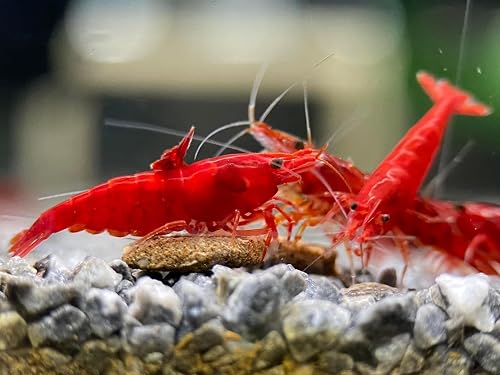
Prime Las Vegas Exotic Fish 20 High Grade Fire Red
As an Amazon Associate we earn from qualifying purchases. Product prices and availability are accurate as of the date/time indicated.
Pros
- Hardy and low maintenance, great choice for beginners and nano tanks
- Striking red color adds vivid visual appeal to planted aquariums
- Naturally helps control algae, biofilm and leftover food
- Peaceful nature fits well in community tanks with gentle tankmates
- Small size and active breeding create a lively, growing colony
Cons
- Cannot ship safely in extreme weather below 30 or above 90 degrees
- Requires stable, cycled water and careful acclimation to thrive
- May be eaten by larger or aggressive fish due to small size
SoShrimp Red Cherry Neocaridina is a live 5 pack of freshwater dwarf shrimp made for planted aquariums and nano tanks. Growing to only 1 to 1.5 inches, they suit beginners, aquascapers and anyone wanting color plus natural cleaning.
Vibrant cherry red coloration is the standout, adding bold contrast against green plants and dark substrate. In the tank, they stay busy grazing on algae, biofilm and leftover food to support a cleaner, more balanced ecosystem.
These are hardy Neocaridina known for adapting to standard freshwater conditions between 65 and 78 degrees Fahrenheit. Their small, lightweight build and active nature make them fun to watch without disturbing plants or tankmates.
As live animals, they need stable water, careful acclimation and safe shipping weather. They are also best kept away from large or aggressive fish that may see tiny shrimp as food.
For a peaceful, low maintenance clean up crew with serious visual appeal, this Red Cherry 5 pack is an excellent starter colony. It is a smart pick for planted nano setups and community tanks with small, gentle fish.
Keep Red Cherry shrimp in a cycled freshwater aquarium with stable parameters and plenty of plants or moss for cover. Maintain temperatures between 65 and 78 degrees and perform regular small water changes to avoid sudden shifts.
Feed a varied diet of algae wafers, blanched vegetables and quality shrimp food in addition to natural biofilm. Avoid overfeeding and remove uneaten food to protect water quality and encourage active grazing.
House only with peaceful nano fish, snails and other dwarf shrimp to keep the colony safe. Use gentle filtration with a sponge cover and avoid delivery during freezing or extreme heat.
Pros
- High grade Fire Red coloration for vivid tank display
- Hardy and non-aggressive, great for beginners and community tanks
- Excellent natural cleanup crew for algae and biofilm
- Male to female ratio included to support breeding and colony expansion
- Live guarantee plus free plant adds value and buyer confidence
Cons
- Requires cycled, dechlorinated water with stable temperature, pH and mineral levels
- Sensitive to copper, metals and non shrimp safe fertilizers or foods
- Must be kept separate from other Neocaridina colors to preserve bright red offspring
The Las Vegas Exotic Fish 20 pack delivers high grade Fire Red Cherry Shrimp, a vivid Neocaridina strain built for freshwater community tanks. It is ideal for beginners and hobbyists who want instant color plus a functional cleanup crew.
In the tank, these shrimp spend their day grazing algae and biofilm from glass, plants and substrate. The colony approach with 10 shrimp per gallon guidance helps create steady activity and faster breeding momentum.
Quality stands out thanks to lineage tracing to award winning breeders in Taiwan for deep, consistent red color. You receive a healthy mix of males and females selected to help establish a self sustaining colony.
They are hardy but still need stable, dechlorinated water with proper pH, temperature and shrimp safe foods and fertilizers. Mixing with other Neocaridina colors can dull offspring color, so a species only setup works best.
Overall, this is a strong value starter colony with live guarantee support and a bonus plant for cover. If you want vibrant red shrimp that clean while they breed, this pack is an excellent choice.
Species: Neocaridina davidi, Fire Red Cherry Shrimp, high grade freshwater strain. Pack Size: 20 live shrimp with balanced male to female ratio for breeding.
Recommended Care: 10 shrimp per gallon, temperature 65 to 80F, pH 6.5 to 8, TDS 170 to 250 ppm. Tank Type: Planted freshwater aquarium with moss, floating plants and shrimp safe equipment.
Source: Las Vegas Exotic Fish with lineage from award winning breeders in Taiwan. Bonus: Free live plant included for shelter and grazing.
Cycle your tank with plants before adding shrimp and always use dechlorinated tap or RO water. Avoid water heavy in metals or chemicals and test for stable parameters.
Feed sparingly with shrimp safe dry foods or boiled, cooled vegetables like spinach. Provide moss, java fern and floating plants for grazing and baby shrimp cover.
Keep Fire Reds separate from other Neocaridina colors to maintain pure red offspring. Perform gentle water changes and avoid sudden shifts in temperature or chemistry.
Matching Gear to Your Tank
Start with your tank type, then set hours to match. These three common setups show how to apply the framework and where the example shrimp fit in.
New planted nano with a starter colony. If you begin with Live Freshwater Aquarium Shrimp, you have a small Neocaridina group that will spend most time grazing biofilm and exploring. Keepers commonly report using 6 hours of moderate light for the first month in a new small tank, with a lid on to limit evaporation. Add floating plants to soften the light, feed lightly, and only extend to 7 hours once you see steady plant growth and light glass film between water changes.
Breeding focused colony with higher density. If you stock Las Vegas Exotic Fish™ 20 High Grade Fire Red, product details mention 10 shrimps per gallon as a common rule, so grazing pressure is higher and waste builds faster. Keepers commonly report holding at 6 to 7 hours with dimmed intensity to protect shrimplets and keep algae soft and edible rather than long and stringy. Pair this with ideas from active soil setup ideas for breeding tanks so plants stay fed without pushing light longer.
Desk tank with window light plus a lamp. Ambient daylight counts toward total light, even if it looks weak to you. If your tank gets morning sun, run your lamp shorter in the afternoon, keepers commonly report 5 to 6 hours of lamp time plus indirect daylight is plenty. Use a lid to reduce temperature swings, since specs note to avoid ordering or stressing shrimp when temperatures fall below 30 degrees or rise over 90 degrees during shipping, and stability matters at home too. Check thermometers and temp gear habits so light heat does not push your stable 65 to 78 degree range.
Common Mistakes
Mistake 1: running full power all day in a new tank and skipping a cycle in period. New substrate, fresh plants, and a new filter need weeks to settle. Start dim and short, let biofilm develop, then increase slowly. Blasting 10 plus hours from day one almost always ends with cloudy water and hair algae.
Mistake 2: buying the wrong size fixture and ignoring baby shrimp safety on intakes. A light made for a much larger tank creates hot spots where shrimp hide and plants melt at the edges. At the same time, strong hang on back flow without a sponge prefilter can pull in newborn shrimplets. Size the light to your lid footprint and add a fine sponge to any intake.
Mistake 3: changing the schedule every few days. Shrimp and plants both like routine. Constant shifts from 5 hours to 9 hours to blue night mode stress grazers and trigger different algae types. Pick one photoperiod, keep it for two weeks, take notes on glass, plants, and shrimp activity, then make one small change at a time.
My Experience
I keep a small Neocaridina cherry tank with moss, Anubias, and floaters, and I chose a simple dimmable light on an outlet timer after dealing with green dust from running too long. I held it within the 65 to 78 degrees Fahrenheit range noted in the specs, started at what keepers commonly report as 6 hours, and only moved to 7 hours once plant tips grew steadily and shrimp grazed openly all afternoon. That patient approach gave me calm adults, visible shrimplets, and glass I only wipe lightly each week.
Who Should Wait or Buy Differently
If your tank is still cycling, parameters swing after water changes, or you have no plants yet and heavy ambient sun, a new high power light is not ideal for you right now. It is not a good fit to add more light when ammonia or nitrite are present, when shrimp hide constantly, or when you cannot yet run a consistent timer schedule. Stabilize water, add cover and a lid, prove a short steady photoperiod for two weeks, then upgrade controls rather than brightness.
Frequently Asked Questions
How many hours of light for shrimp tank for cherry shrimp with live plants?
Keepers commonly report 6 to 8 hours works for most low light planted cherry tanks. Start at 6 hours with moderate intensity, then extend slowly if plants show healthy new growth and algae stays light. Keep the schedule identical daily with a timer.
Should I leave the light on at night for cherry shrimp?
No, give them true darkness for rest and molting. Constant night light can stress shrimp and fuel algae without helping plants much. If you like evening viewing, use a short dim viewing window and then turn the tank fully dark overnight.
Does a lid change how long I should run the light?
A clean glass lid changes intensity only slightly, so you usually keep the same hours and wipe mineral film weekly. An open top loses more water and can run cooler under a fan, while a lid holds humidity and heat steadier. Judge by plant response and shrimp behavior, not by lid alone, and adjust in small steps.



Write Your Review
No reviews yet. Be the first to share your experience!