

If you are searching for what temperature for caridina shrimp for under $50, you are really trying to answer a stability question, not just a number question. You want to know if a small adjustable heater, a clip on fan, or simply better monitoring will hold your tank steady through day and night room swings.
That choice comes down to four variables: shrimp species and hardiness, tank size, current water parameters, and budget. Start by logging your room temperature morning and night, test pH, GH and TDS, and note whether your lid and light trap heat. For an overview of the category, browse these heater, chiller and fan guides before you spend anything.
What Actually Matters
Target Range and Stability Matter More Than Peak Power
For Caridina, consistency beats chasing a single perfect degree. The example listing in this guide lists an Optimal Water Temperature of 68°F – 78°F (20°C – 25.5°C), with pH Range 6.5 – 7.5, Water Hardness 4-8 dGH, and TDS 200-350 ppm. Use that kind of published range as your anchor, then focus on how flat you can keep the line across a full day.
You should pick gear that prevents slow drifts and sudden jumps. A heater with a clear, easy to read thermostat and a separate thermometer for cross checking is more useful than raw heating power. For cooling on a budget, airflow that gently drops surface temperature is often enough if your room is only mildly warm. If you keep sensitive Crystal types, keepers commonly report aiming for the cooler, highly stable end of published ranges, so prioritize control over speed.
Tank Size, Room Swings, and Heater Versus Fan Logic
Small tanks change temperature faster than larger tanks, and open top tanks with strong lights behave differently than lidded low light setups. Watch your own setup for a few days. If mornings are cool and evenings are warm, you likely need gentle heating with a reliable shut off. If the tank creeps up in the afternoon and stays warm, you likely need increased evaporation and airflow rather than more heating.
Think in terms of direction of correction. Heaters add heat and are best when your room regularly sits below your target range. Fans remove heat through evaporation and are best when your room regularly sits above your target range. Many keepers in mild climates need only one of the two plus a good thermometer. Before you buy, also check how your water chemistry tracks with temperature, since stress often comes from combined shifts. This comparison of testing versus feeding priority is a helpful reminder to test first.
Control, Accuracy, and Shrimp Safety Features
Budget gear can still be shrimp safe if you choose the right features. Look for an adjustable thermostat with clear markings, an indicator light so you know when it is actively heating, and automatic shut off protection. An external temperature controller is a popular backup because it adds a second cutoff if the built in thermostat sticks. Always use a separate glass or digital thermometer placed away from the heater to verify what shrimp actually feel.
Baby shrimp safety matters as much as temperature accuracy. Exposed intakes on filters near heaters or strong fan driven flow can trap shrimplets. Look for fine sponge covers, rounded guards, and secure suction cups or mounting clips that keep equipment from shifting. Cords should route cleanly out of the tank with a drip loop, and heaters should stay fully submerged to the marked water line during water changes.
Noise, Evaporation, and Daily Upkeep on a Budget
Fans are affordable to run but they increase evaporation, which slowly raises TDS and hardness as pure water leaves minerals behind. That means more frequent top offs with clean RO or distilled water, not tank water, plus regular TDS checks. Heaters do not evaporate water the same way, but they can create warm and cool zones if flow is poor, so gentle circulation matters.
Consider noise and placement too. A humming fan next to a bed or desk gets annoying fast, and a clicking thermostat can be distracting at night. Read keeper feedback on hum, vibration, and build quality rather than focusing only on heating or cooling claims. A quiet, stable, easy to clean unit you will actually maintain beats a stronger unit you want to unplug.
To see how published specs present temperature and water needs in real listings, here are a few options that show the range:
This article contains affiliate links. If you buy through one of our links, Shrimpyo may earn a commission at no extra cost to you. Commissions never influence which products we recommend or how we rank them. Read our Affiliate Disclosure for details.
Quick Picks at a Glance

Prime Swimming Creatures 10 Pack Amano Shrimp Live
As an Amazon Associate we earn from qualifying purchases. Product prices and availability are accurate as of the date/time indicated.
Pros
- Consistently arrive alive, active and healthy, often with extra shrimp included
- Excellent algae control, praised for cleaning tanks where cherry shrimp struggled
- Hardy and beginner friendly with clear acclimation directions and wide water tolerance
- Large, robust and personable shrimp that grow quickly and add character to the tank
Cons
- Arrive as juveniles and look smaller than expected at first
- Do not reproduce in freshwater, so colony will not self sustain
- May be at risk with aggressive tankmates like bettas, especially in small tanks
Swimming Creatures 10 Amano Premium High Grade Shrimp is a live 10 pack built for freshwater aquariums, planted tanks and community setups. It suits beginners who want hardy cleaners and experienced hobbyists who want a reliable algae crew.
Standout performance is natural algae control, with owners reporting cleaner plants and glass where cherry shrimp fell short. These active grazers settle quickly after acclimation, forage constantly and show lively personality you can watch for hours.
Quality is premium grade, with translucent bodies, subtle markings and robust health selected for aquarium life. Orders arrive well packaged with acclimation directions, and shrimp often arrive active with extras, then color up and grow fast in the tank.
Expect juveniles to look smaller on arrival than photos suggest, which means longer life ahead but less instant size. They will not reproduce in freshwater, and very small or aggressive tanks with predators like bettas require caution.
For natural, low maintenance algae help with elegance and hardiness, this Amano 10 pack is an excellent choice. If you want tough, peaceful and fun to watch cleaners, this set is highly recommended.
Brand: Swimming Creatures, Set Name: Premium Amano 10 Pack, Type: Live freshwater aquarium shrimp for indoor use.
Ideal Water Conditions: 68F to 78F, pH 6.5 to 7.5, 4 to 8 dGH, TDS 200 to 350 ppm.
Tank Compatibility: 10 gallons and up, planted and community tanks, peaceful modern style with translucent coloration.
Acclimate slowly with drip acclimation and dim lights to reduce stress on arrival. Provide hiding places with plants, moss and decor for molting comfort.
Keep water stable, clean and well oxygenated with regular testing and gentle water changes. Feed balanced diet of algae, biofilm, blanched vegetables and quality shrimp food.
Avoid copper medications and aggressive fish that may hunt juveniles. Monitor molts as a sign of growth, not loss, and leave shells briefly for calcium recycling.
Matching Gear to Your Tank
If your room dips cool at night and your tank tracks that dip, a small adjustable heater with a reliable thermostat is usually the right first buy. Place it near gentle flow, set it to hold the middle of your target range, and verify with a separate thermometer at the opposite end of the tank. Give it a full day to settle before making small adjustments, since frequent tweaks cause more stress than a slightly conservative setting.
The listing for Swimming Creatures™ 10 Amano Premium High-Grade is useful here as a reference point, because it clearly states 68°F – 78°F, pH 6.5 – 7.5, 4-8 dGH, and TDS 200-350 ppm. If your shrimp are described with a range like that, your job is to pick heating that keeps you inside it without daily swings. Hardy Amano type shrimp tolerate wider conditions than high grade Crystal Bee shrimp, but they still molt and feed best when temperature, pH and TDS stay predictable.
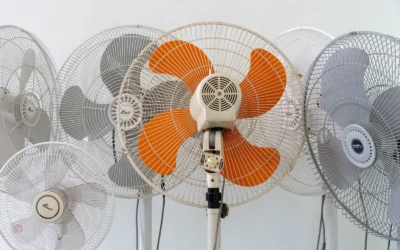
If your tank runs warm under lights or in summer, a clip on aquarium fan is often the smarter budget move. Fans work best on open or vented lids with good surface agitation, and they pair well with shorter light periods and raised lights. Plan for daily top offs and watch TDS closely, since evaporation concentrates minerals. Keepers who use active soil should also remember that heat speeds up many biological processes, so review how active soil choices affect stability when temperatures climb.
If your room is already fairly stable and close to your target range, you may not need to heat or cool at all right now. In that case spend your budget on monitoring: a trusted thermometer, a GH and KH test kit, and a TDS meter. Log readings morning and evening for a week. If the line stays flat and shrimp are active, grazing, and molting cleanly, hold off on hardware and focus on water changes, feeding, and cover like botanicals. This guide to botanicals for Crystal Red shrimp tanks shows how leaf litter and shelter reduce stress while you observe.
Common Mistakes
Mistake 1: Buying the wrong size for the tank and room. A heater that is too strong for a tiny desktop tank can overshoot quickly, while a small fan cannot rescue a lidded tank in a hot room. Match the tool to your water volume and the direction of your room swing, and favor gentle, adjustable output with good flow around it.
Mistake 2: Ignoring baby shrimp safety on intakes and guards. Sponge pre filters, fine intake covers, and secure heater placement prevent shrimplets from getting pinned or cooked against hot surfaces. Rinse sponges in old tank water on a schedule so flow stays steady and heat distributes evenly instead of pooling in one corner.
Mistake 3: Skipping a settle in period and changing settings too fast. New heaters, fans, and controllers need time to sync with your thermometer and room cycle. Make one small change, wait a full day, then retest temperature along with pH and TDS before touching the dial again. Rapid adjustments stress shrimp more than a slightly imperfect but stable setting.
My Experience
I run a small Caridina leaning setup on my desk that swings cool at night, so I learned to prioritize a simple adjustable heater, a separate thermometer on the far glass, and a weekly log of temperature with pH, GH and TDS. I used the 68°F – 78°F range as my guardrail and aimed for the steady middle rather than the warm edge, with water near pH 6.5 – 7.5 and TDS in the 200-350 ppm window from the reference listing. Once I stopped fiddling with the dial and fixed flow and lid gaps instead, molts got cleaner and shrimplets started showing up in the moss.
Who Should Wait or Buy Differently
If your room already holds steady inside your shrimp target range and your logs show flat readings, a heater or fan is not ideal for you right now. It is better to invest in test kits, remineralizer, or active buffering soil first, and revisit heating or cooling only when seasonal swings appear. This approach is not recommended for anyone dealing with repeated unexplained deaths, since that pattern usually points to water chemistry, acclimation, or disease rather than temperature alone.
Frequently Asked Questions
Do Caridina shrimp need a heater or a fan?
It depends on your room versus your target range. Choose a heater if your tank regularly falls below the published range for your shrimp, and choose a fan if it regularly climbs above it. If you stay inside the range naturally, monitoring with a good thermometer is often enough.
How do I keep temperature stable without a chiller?
Reduce the causes of swings first: keep the tank away from windows and vents, use a lid to retain heat or vent it to release heat, and run lights on a consistent schedule. Add gentle flow so warm and cool zones mix, then use a small heater or clip fan for fine correction.
Why did my TDS rise after running a fan?
Fans cool by increasing evaporation, and evaporation leaves minerals behind while pure water leaves the tank. That concentrates TDS and hardness over time. Top off evaporated water with clean RO or distilled water and test TDS regularly to stay near your target window.


Write Your Review
No reviews yet. Be the first to share your experience!