

If you are stuck on alder cones for shrimp tank vs cholla wood for shrimp, you are really deciding what job you want the botanical to do in your tank. I have run both Awesome Aquatic Natural Staghorn Cholla Wood Tube and Liquid Gardens Alder Cones, 25 Pieces in shrimp only setups, and they behave very differently even though both release tannins. One gives you physical structure, hiding spots and long term grazing. The other gives you gentle conditioning, light tint and scattered foraging without taking up much space.
For Neocaridina like cherry shrimp, stability and baby shelter matter more than a strong pH shift. For Caridina like Crystal Reds, soft acidic water and steady biofilm matter more, but botanicals alone will not carry the system. That is why this comparison is less about which is better overall and more about fit for your water, tank footprint and maintenance habits. I file my notes under Indian Almond Leaves + Botanicals because small choices add up fast in nano tanks, especially in 2026 when many keepers run active soil and RO water.
This article contains affiliate links. If you buy through one of our links, Shrimpyo may earn a commission at no extra cost to you. Commissions never influence which products we recommend or how we rank them. Read our Affiliate Disclosure for details.
Quick Picks at a Glance

Awesome Aquatic Cholla Wood Tubes 3-Pack 6 Inch

Liquid Gardens Alder Cones 25 Pack for Aquarium
As an Amazon Associate we earn from qualifying purchases. Product prices and availability are accurate as of the date/time indicated.
Pros
- Thorn-free, untreated and pesticide-free for sensitive shrimp and invertebrates
- Versatile for both aquatic and terrestrial setups, from shrimp tanks to reptile enclosures
- Encourages natural behavior including hiding, climbing, grazing and nesting
- Lightweight and easy to cut, boil and arrange for custom aquascaping
- Unique natural look, no two pieces are exactly alike
Cons
- Requires boiling or soaking before use to sink quickly and control tannin tint
- Natural variation means size, shape and hole pattern will differ between pieces
- Soft wood slowly breaks down in water over time and will eventually need replacement
The Awesome Aquatic 3-pack offers 6-inch sections of natural staghorn cholla wood for aquariums and terrariums. It is made for shrimp keepers, fish breeders, and reptile or hermit crab owners who want functional natural decor.
In aquariums, the porous tubes create instant hides for shrimplets and fry while growing biofilm that shrimp and plecos graze on. The wood also releases tannins that help lower and buffer pH, supporting a more natural, stable habitat for soft water species.
Each piece has a unique skeleton-like structure with natural holes and texture, perfect for climbing, nesting and attaching moss or Anubias. The wood is organically dried, untreated with no fertilizers or pesticides, and cleaned to be thorn-free for delicate animals.
Like all natural cholla, pieces vary in shape and diameter, so uniformity is not guaranteed. It floats at first and tints water, so boiling or soaking beforehand is recommended, and it will slowly soften over months in submerged use.
For natural shelter, enrichment and aquascaping versatility, this cholla set is a practical pick. It blends habitat function with rustic beauty for both aquatic and terrestrial setups.
Pack Size: 3 pieces of staghorn cholla wood, each cut to approximately 6 inches in length.
Material: Organic, naturally dried and aged cholla wood, untreated and chemical free.
Safety: Thorn-free, sustainably harvested and eco friendly for aquariums, terrariums and crafts.
Compatibility: Suitable for shrimp, fish, plecos, hermit crabs, geckos, tarantulas and other invertebrates or reptiles.
Prep Tip: Boil or soak before use to help it sink faster and manage tannin release.
Pros
- Chemical free approach to water conditioning and pH support
- Benefits both fish comfort and shrimp feeding behavior
- Perfectly sized for nano tanks, betta tanks and shrimp cubes
- Sustainable and eco friendly alternative to synthetic treatments
Cons
- Tints water amber brown, which may not suit clear water aquascapes
- pH effect is gradual and limited in hard, high KH water
- Cones break down over weeks and need regular replacement
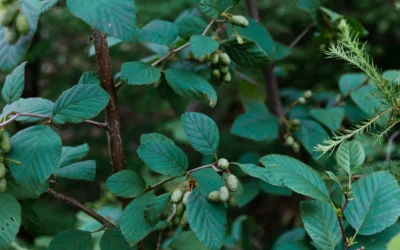
Liquid Gardens Alder Cones are natural aquarium botanicals sold as a 25 piece pack for freshwater tanks. They are designed for betta keepers, shrimp breeders, and anyone building a soft water, blackwater style setup.
In use, the cones slowly release tannins that help lower pH, add natural tint, and create calmer conditions for sensitive species. Shrimp in particular benefit, as the cones grow biofilm for grazing while offering shelter for shrimplets and shy fish.
The cones are small, lightweight, and sustainably sourced, making them easy to dose for nano tanks. You simply rinse and place them directly in the tank or filter, with no measuring or chemicals required.
The main tradeoff is the tea colored water, which is natural but not ideal if you prefer crystal clear aquascapes. Effects on pH are also gentle and depend on your KH, so very hard water will see less change and cones will need replacing as they break down.
Overall, this is a simple, eco friendly way to improve water conditions and enrichment with minimal effort. If you keep bettas, caridina shrimp, or South American species, these alder cones are a practical staple to have on hand.
This pack includes 25 natural alder cones intended for freshwater aquarium use. Each cone is small and lightweight, making it easy to dose by tank size.
Pack dimensions are listed as 5 x 0.75 x 5 inches with a total weight under one ounce. The cones are biodegradable botanicals and are compatible with betta, shrimp, tetra and other soft water community tanks.
How They Compare
Shelter Structure and Grazing Surface
Awesome Aquatic Natural Staghorn Cholla Wood Tube comes as 3 pack of 6 inch pieces with a hollow, skeleton like structure that shrimp can actually live in. The tubes have natural holes and a rough surface that grows biofilm quickly, and you can wedge them between rocks or attach moss and small plants for extra cover. Baby shrimp graze inside the tunnels where fish cannot follow, and adults pick at the outer walls all day. The material is described as thorn free, untreated and naturally dried, which matters when shrimplets have soft bodies right after molting.
Liquid Gardens Alder Cones, 25 Pieces works in the opposite way. You get 25 small cones to scatter across the substrate, and they create micro foraging spots rather than true hides. Shrimp will sit on a cone and pick at the surface film, but a cone will not shelter a berried female or a cloud of newborns the way a 6 inch tube will. If your main goal is physical habitat for breeding and molting security, cholla has the clear edge, while cones are better when you want botanical benefits without changing your hardscape.
Tannin Release and Water Conditioning
Both options release tannins, lower pH gently and help buffer the habitat in a natural way, and both are listed as producing beneficial biofilm food for shrimp and microfauna. In my tanks, cholla gives a slower, steadier tint because it is a larger piece of wood with thicker walls, while alder cones tint a small volume a bit faster for their size and then settle down. Neither one replaces active soil or remineralized RO water, so think of them as helpers that make the water feel more natural and provide food between feedings. If you keep Crystal Reds, read this guide on botanicals for Crystal Red Shrimp before you lean on botanicals for pH control.
For Neocaridina in tap water with stable minerals, either choice is safe when you start light and watch clarity and behavior. For Caridina, cones are often used as a light supplement to leaf litter and active soil and substrate because you can add or remove a few pieces to tweak tint without moving hardscape. Cholla also buffers and releases tannins, but its bigger impact is habitat rather than fast conditioning. A real con is that too many botanicals at once can drop pH unevenly and stress shrimp, so add gradually, keep up water changes and test regularly rather than chasing a dark blackwater look.
Prep, Placement and Upkeep
Prep is where these two differ most for beginners. The cholla tubes should be rinsed well and boiled to help them sink faster and release some initial tannins before placement, and you can cut them to length to fit a nano corner or a breeding box area. Because the pieces are 6 inch long, plan their footprint like small logs and leave swimming space around them for flow. The cones are simpler, just rinse off dust and place them directly in the tank with no extra steps, which matches the easy to use claim in the listing.
Upkeep also splits them. Cholla lasts longer as a structure and slowly softens over many months, at which point you can replace one tube at a time so you do not remove all grazing surface at once. Alder cones break down faster, turn soft and dark, and should be lifted out and replaced when they start crumbling into the substrate. Both can grow a harmless white fungal film in the first week or two, which shrimp usually eat, but if film gets thick, pull the piece, rinse it and improve flow. This safe cholla setup guide walks through sinking and cleaning if this is your first wood piece.
Tank Size, Stocking and Aquascape Fit
In a breeding focused Neocaridina tank, cholla earns its footprint by raising shrimplet survival. Newborns hide in the holes, graze biofilm without competing with adults, and molt under cover. In a small display with a betta and shrimp, cones can be the smarter pick because 25 tiny pieces let you dose the effect lightly without crowding swimming space. Keepers commonly report using cones in betta and shrimp nanos for comfort and foraging, while breeders lean on tubes in shrimp only colonies where babies are the priority.
For aquascaping, cholla is a feature you design around and cones are accents you tuck in. A 6 inch tube covered in moss or subwassertang looks natural and gives plecos and snails extra grazing too, though it can dominate a very small scape. Cones disappear into leaf litter and look natural next to alder leaves and seed pods, but they can get buried during gravel vacuuming and need topping up. If you want a planted look with vertical interest, choose wood, and if you want a clean iwagumi style with just a hint of tint and food, choose cones.
Which One Should You Get
Choose Awesome Aquatic Natural Staghorn Cholla Wood Tube if you keep Neocaridina or mixed shrimp colonies and want better baby survival, long term grazing and a place to attach moss. It suits breeding tanks, shrimp only cubes and community nanos where shrimplets need refuge from fish, and it works well when you already have stable minerals and want habitat more than fast tint. The trade off is footprint and prep, since you need to boil, sink and place 6 inch tubes with care. If your tank feels bare and babies seem to vanish, this structure usually helps more than extra cones.
Choose Liquid Gardens Alder Cones, 25 Pieces if you want simple conditioning, light tannins and scattered foraging without rearranging your scape. It suits small betta and shrimp tanks, new Caridina setups that already use active soil, and keepers who like to add a few botanicals at a time and replace them as they soften. The trade off is limited shelter and shorter life per piece, so you will top up from the 25 count over time. If your tank already has hides and you mainly want natural water feel and biofilm snacks, cones are the lower fuss pick.
My Experience
I have used both styles, and as of November 2026 my cherry colony still runs one of the 6 inch thorn free tubes from the 3 pack while my second nano gets cones. I boiled the cholla first so it sank quickly, tucked moss into the holes, and within days I saw grazing lines and babies tucked inside during lights on hours. The cones were easier to start, I just rinsed and dropped in a few, and shrimp picked at them right away while the water took on a faint warm tint. For my breeding goal the tube did more work, but I still like cones for quick biofilm in a tank that already has cover.
Who Should Skip Both
Both of these botanicals are not ideal for keepers who need crystal clear, high pH water with no tint or added organics, such as African cichlid tanks, brackish setups or sterile hospital tanks that get frequent deep cleaning. If you are chasing ultra precise Caridina parameters with RO water and you already struggle with pH swings, extra wood and cones can add variables you do not need. In that case, focus on soil, minerals and filtration first, and only add botanicals later once your baseline stays steady for several weeks.
Frequently Asked Questions
Can I use alder cones and cholla wood together in the same shrimp tank?
Yes, many keepers use both, with cholla as the main hide and cones as light accents for foraging and tint. Start with one tube and just a few cones, then watch shrimp behavior and water clarity for a week. Remove or replace whichever piece gets buried, overly soft or grows excess film.
Do alder cones or cholla wood lower pH more for Caridina shrimp?
Both lower pH gently and release tannins, but neither should be your primary pH tool for Caridina. Active soil and properly remineralized RO water do most of the work, while cones and cholla add natural buffering and biofilm. Add botanicals slowly and test often so shifts stay smooth and shrimp molt normally.
Which lasts longer, alder cones or cholla wood tubes, and when should I replace them?
Cholla tubes usually last longer as structure because the 6 inch wood walls break down slowly, while small alder cones soften and crumble sooner. Replace a cone when it turns mushy, dark and falls apart during siphoning. Replace cholla one tube at a time when it feels very soft or loses shape, so colonies keep steady grazing.
Write Your Review
No reviews yet. Be the first to share your experience!