

If you are researching how to treat bacterial infection in shrimp, you are probably staring at a cloudy shrimp or two and wondering whether to medicate right away. It is a tough call because shrimp are far more sensitive than fish, and the wrong product dosed in the wrong place can wipe out babies, beneficial bacteria, and tank mates. Your choice comes down to four main variables: your shrimp species and hardiness, your tank size and filtration setup, your current water parameters and stability, and your budget for a hospital tank versus medication.
This buying guide walks you through that decision step by step, so you buy only what fits your situation. We will cover how to tell a likely bacterial issue from molting or stress problems, what to look for in a remedy label, and when to treat in quarantine instead of your display tank. For background on isolation, culling decisions, and disease tracking, browse the breeding and disease section before you dose anything. Updated in November 2026, this framework works for both Neocaridina and Caridina keepers.
What Actually Matters
Accurate Diagnosis Before You Buy
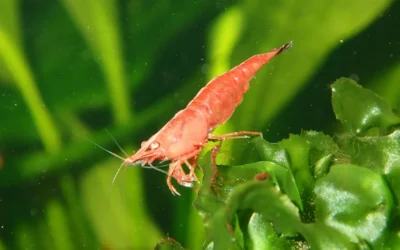
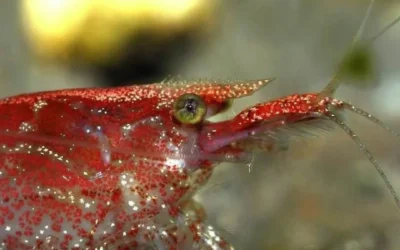
Bacterial infections in dwarf shrimp often show as milky or cloudy muscle tissue, a pinkish or reddish tint under the shell, unusual lethargy, loss of appetite, or sores that do not clear after a molt. Those signs overlap with failed molts, old age, and stress from shipping, so you need to observe for a day or two if you can. Look for spread between shrimp, multiple deaths in a short window, and symptoms that persist through clean water and rest, which point more toward infection than a single bad molt.
Before you shop, test your water and review recent changes like new livestock, new plants, temperature swings, or a filter cleaning. Many keepers find that deaths blamed on bacteria were actually caused by unstable parameters, and medication will not fix that root cause. If only one shrimp looks odd while the rest graze and breed normally, isolation and observation is often smarter than dosing the whole system right away.
Ingredient Type and Shrimp Sensitivity
Not all fish medications are shrimp safe, and this is where label reading matters most. Gentle botanical based liquids made with natural tea tree extract are commonly chosen as a first step because they are marketed for bacterial infections, damaged fins, and ulcers while being less harsh than antibiotics. Stronger fish treatments for parasites or ich often contain dyes, copper compounds, or other actives that can stress or kill shrimp, snails, and baby shrimplets even at reduced doses.
When you compare options, check whether the product is labeled for freshwater aquariums, whether it warns against use in reef tanks or with invertebrates, and whether it is meant for external bacterial issues versus internal parasites. A product that also promotes tissue regrowth and healing after minor damage can be useful for secondary infections after netting or aggression. If you keep Caridina species that prefer soft, stable water, lean toward the mildest approach first and save aggressive treatments for a separate hospital container.
Treatment Location and Filter Impact
Where you treat matters as much as what you use. Dosing your main display tank exposes your entire colony, biofilter, plants, and snails to medication, while a simple bare bottom hospital tank with a cycled sponge filter, hide, and heater lets you control exposure. For breeders, a quarantine tub also prevents sick shrimp from being picked on and makes it easier to watch eating, molting, and stool without tearing apart your scape.
Pay attention to treatment length and daily routine. Some gentle remedies are designed for daily use for a week to address infections, with a shorter routine for a few days when adding new fish or livestock, while parasite focused liquids may call for a multi day course when symptoms start. You will also want to know if you need to remove chemical filtration, increase aeration, or pause water changes during treatment. If a product requires a lot of hands on dosing and observation, make sure your schedule allows it before you start.
Recovery Support and Water Stability
Medication alone rarely saves a colony if water quality stays poor. Shrimp recover best in clean, well oxygenated water with stable minerals and temperature, plus plenty of biofilm to graze on between meals. This is why experienced keepers pair any treatment plan with testing, small careful water changes with matched water, and a pause on new additions until deaths stop for at least a full molt cycle.
Think about what supportive gear you already own. Gentle botanicals like Indian almond leaves are often used alongside clean water to provide hiding spots and natural tannins, and you can read more in our guide to botanicals like Indian almond leaves. Stable mineral balance and temperature control also matter, so review your routine for stable mineral balance and temperature stability for Caridina. If your parameters swing widely, fix stability first, then decide if medication is still needed.
To show what this looks like in practice, here are a few options that show the range from gentle bacterial remedies to combo packs that include parasite treatments for fish tank mates:
This article contains affiliate links. If you buy through one of our links, Shrimpyo may earn a commission at no extra cost to you. Commissions never influence which products we recommend or how we rank them. Read our Affiliate Disclosure for details.
Quick Picks at a Glance

API MELAFIX + Liquid Super ICK Cure Bundle
As an Amazon Associate we earn from qualifying purchases. Product prices and availability are accurate as of the date/time indicated.
Pros
- Covers both bacterial infections and ich parasites in one bundle
- Natural tea tree formula supports fin repair and tissue regrowth
- Fast acting ich treatment with added slime coat support
- Simple liquid dosing that is beginner friendly for home aquariums
Cons
- Not for use in reef aquariums, limiting use for reef keepers
- Requires multiple days of consistent dosing for full results
- Botanical formula may be too mild for very severe bacterial infections
This bundle combines API MELAFIX 16oz and API Liquid Super ICK Cure 4oz to cover the two most common aquarium problems, bacterial infection and ich. It is built for freshwater and saltwater fish keepers who want a ready to use treatment kit for emergencies and new arrivals.
MELAFIX uses natural tea tree extract to heal ulcers, open wounds, damaged fins and mouth fungus while supporting tissue regrowth. Liquid Super ICK Cure targets the ich parasite quickly, often within 24 hours, and adds a synthetic slime coat to help protect stressed fish during recovery.
Both formulas are liquids with simple daily dosing, which makes treatment easy even for beginners. MELAFIX is dosed daily for a week for active infections or for 3 days when adding new fish, while the ICK cure follows a straightforward 5 day course when white spots appear.
The main limitation is that neither product is intended for reef aquariums, so reef keepers will need alternatives. Severe bacterial cases may also need stronger antibiotic treatment, as botanical remedies work best when started early and used consistently.
Overall, this is a smart value bundle for community tank owners who want gentle healing plus fast ich control. Keep it on hand if you regularly add new fish or manage a busy aquarium with tetras, cichlids, goldfish or marine community species.
Use MELAFIX daily for 7 days when you see fin damage, ulcers or redness, and for 3 days as a preventive when introducing new fish. Remove activated carbon during treatment and maintain good filtration and aeration for best results.
Use Liquid Super ICK Cure for 5 days at the first sign of white spots, flashing or rapid gill movement. Monitor water quality closely and follow water change directions to keep fish comfortable through the treatment course.
Matching Gear to Your Tank
If you keep a Neocaridina colony in a small planted desktop tank and notice one or two shrimp turning milky, start with isolation and a mild approach. Move suspects to a heated, aerated quarantine container with mature filter media and observe appetite and molting. In that setup, many keepers like having API MELAFIX Bacterial Infection Remedy Liquid on hand because it uses natural tea tree extract and is described for bacterial infections, ulcers, and tissue regrowth, with daily use for a week for active issues. It fits a low stress plan where clean water does most of the work.
If you run a community tank with shrimp plus fish, your decision gets more complex because fish may bring ich or fin damage while shrimp react badly to many fish meds. White spots on fish, clamped fins, and rapid flashing point toward parasites rather than shrimp bacterial disease, and that calls for a different active ingredient and a fish only treatment tank if possible. A combo that pairs a gentle bacterial liquid with a separate ich liquid can help you understand the two paths, but keepers commonly report keeping shrimp out of the ich treatment container entirely and treating fish separately to protect shrimplets and snails.
If you are a breeder quarantining new arrivals in a rack, focus on prevention and triage rather than dosing everything on arrival. Set up a simple observation tank with cover, moss, and a seasoned sponge filter, then watch new shrimp for several days for normal grazing, successful molts, and clear bodies. Having API MELAFIX Bacterial Infection Remedy Liquid available for the few individuals that develop sores or cloudy tissue after shipping lets you act without exposing your main breeding colonies. The larger bottle size in that type of pack is handy for repeated small quarantine batches, while the smaller parasite bottle stays reserved for fish systems only.
Across all three scenarios, match the product to your willingness to do daily water checks and follow the label course fully. A remedy meant for daily use for a week or for several days when symptoms start only works if you can commit to that schedule, remove chemical media if directed, and hold off on adding new livestock. If you cannot monitor a hospital tank closely, it is better to stabilize the main tank, improve diet variety, and wait than to start and stop treatment halfway.
Common Mistakes
Mistake one is dosing too fast in the main tank without testing first. When shrimp die suddenly, it is tempting to pour in medication the same hour, but ammonia spikes, low oxygen after a heat wave, or a recent remineralizing error can look like disease. Test, do a small matched water change if needed, increase surface agitation, and move the worst affected shrimp to observation before you decide to medicate the whole colony.
Mistake two is not tracking before and after conditions or mixing too many products at once. Keepers sometimes combine a bacterial remedy, a parasite cure, salt, and botanicals together, then cannot tell what helped or what harmed the shrimp. Pick one clear hypothesis, follow that product course as labeled, avoid adding a second medication mid course, and write down behavior, molts, and deaths each day so you know when to stop or change tactics.
Mistake three is using a fish focused parasite treatment directly on shrimp because the box also mentions bacterial issues. Products made to kill ich parasites quickly, sometimes described as working within a short window and adding synthetic slime coat for fish, are formulated for fish physiology, not dwarf shrimp. Even if your fish have white spots, treat fish in a separate tank and keep shrimp, especially Caridina babies and berried females, in clean untreated water with stable parameters and extra cover.
My Experience
I keep a Neocaridina tank with lots of moss and a simple sponge filter, and last 2026 I had two shrimp turn slightly cloudy after I added new plants without a proper rinse. I moved them to a small cycled quarantine tub with a hide and an air stone, kept the main tank clean and stable, and chose a gentle tea tree based liquid remedy used daily for a week while watching molts closely. One shrimp cleared up after molting and is still grazing today, and the experience taught me to quarantine first and treat only the suspects rather than risk the whole colony and biofilter.
Who Should Wait or Buy Differently
If you have a single shrimp that just had a rough molt, stable water with no spread to tank mates, or a reef aquarium with corals and marine invertebrates, a fish bacterial and ich combo pack is not ideal for your situation and you should wait or choose a different path. It is also not the right choice if you are unwilling to set up a separate observation container, since dosing shrimp and sensitive snails together with fish parasite actives often causes more harm than good. Focus first on testing, stability, and learning from our substrate and water stability guide, then revisit medication only if clear bacterial signs persist or spread.
Frequently Asked Questions
Can I use fish bacterial medication directly in my shrimp tank?
You can sometimes use gentle remedies labeled for freshwater aquariums in a shrimp tank, but you should always read the invertebrate warnings first and prefer a quarantine tank when possible. Many ich and parasite treatments are formulated for fish and can stress shrimp, snails, and biofilters. When in doubt, isolate sick shrimp and treat fish separately.
How long should treatment last for a suspected bacterial infection?
Follow the specific product label, since courses vary by formula and purpose. Gentle bacterial liquids are often used daily for a week for active infections and for a shorter period when adding new livestock, while parasite products may call for several days of treatment when symptoms appear. Complete the full course, observe for a molt cycle afterward, and avoid stopping early just because one shrimp looks better.
Should I treat the whole colony or just the sick shrimp?
Start by quarantining visibly sick shrimp and watching the main tank closely for new cases. If only one or two shrimp are affected and water tests look good, isolated treatment plus clean water is usually enough. Consider broader action only if multiple shrimp develop similar cloudy tissue or sores in a short time despite stable conditions.


Write Your Review
No reviews yet. Be the first to share your experience!