

If you are learning how to lower kh for caridina shrimp, you are really deciding how to build soft, stable water that lets Crystal Red, Crystal Black and Taiwan Bee shrimp molt and breed with less stress. Tap water in many homes holds too much carbonate hardness for these bees, so the choice is not a single bottle, it is a system of source water, substrate and remineralizer. Get that system right and your KH stays low without daily swings.
Before you buy anything, weigh four variables. First is species and hardiness, since hardy Neocaridina tolerate carbonate hardness that quickly stalls Caridina breeding. Second is your tank footprint and water volume in qualitative terms, since small volumes shift faster than larger, more forgiving volumes. Third is your current parameters from a liquid test, not strips, and fourth is budget for source water gear versus consumables. I keep these four on a sticky note when I plan a new Caridina tank in November and revisit them in 2026 if breeding slows.
What Actually Matters
Starting Water and Why Source Matters Most
You cannot reliably lower KH while doing large changes with hard tap water, because each change pulls KH back up and stresses shrimp. That is why many Caridina keepers start with reverse osmosis or distilled water that has almost no carbonate hardness to begin with. You then add back only what shrimp need with a shrimp specific remineralizer. For background on that workflow, read this guide to remineralizing RODI water before you shop.
When you compare options, look for how you will make water week after week, not just for setup day. A countertop source that you will actually use beats a complex setup that sits in a closet. Keepers commonly report using small, frequent changes with pure water to ease KH down slowly rather than one big reset. Always test KH and GH before and after mixing, and keep notes so you can repeat the same recipe every time.
Active Soil Buffering and Tank Maturity
Active buffering soil is the quiet workhorse for low KH Caridina tanks, since it pulls carbonate hardness down and holds pH in a soft, slightly acidic range that bees prefer. It does not last forever, and its strength fades as it ages, so new soil lowers KH more strongly than soil that has been running for many months. To understand soil choice, see how to choose active soil for a breeding tank and match depth to your goals.
Judge soil by buffering intent, depth and maturity, not by color or brand story. A proper layer that allows gentle water flow, plus a full cycle in period before shrimp arrive, gives more stable KH than a thin cap added over inert gravel. Avoid chasing falling KH with extra chemicals during the first weeks when soil is still settling. Patience here prevents the up and down pattern that causes failed molts and lost berried females.
Remineralizer Type: GH Only Versus GH and KH Blends
This is where many beginners get stuck when learning how to lower kh for caridina shrimp. Products made for Neocaridina often add both GH and KH, which is helpful for cherries but works against you in a Crystal or Taiwan Bee tank that wants very low carbonate hardness. For Caridina you usually want a GH only remineralizer that adds calcium and magnesium without adding carbonate. Check the label carefully and browse the GH and KH mineral collection to compare which products are intended for which genus.
Always follow the manufacturer own dosing chart for your specific product, start with a smaller dose than the label suggests in a new tank, and test the water after dosing. Mix salt in a separate bucket of pure water, aerate briefly and confirm readings before it touches shrimp. Keepers commonly report mixing to a soft, low mineral level for Caridina rather than aiming for hard water strength. If KH creeps up after dosing, you likely picked a blend meant for a different genus, and you should switch rather than add more chemicals.
Testing Consistency and Pace of Change
Lowering KH is a pace decision, not a race. Fast drops can trigger osmotic stress even if the final reading looks ideal on paper, so slow and steady protects molting. Use a liquid KH and GH kit plus a TDS meter as a quick cross check, and test at the same time of day so results are comparable. Change a little, wait, then retest before the next step, and log every change.
Look for gear and routines that help you stay consistent over months. A dedicated mixing bucket, a small pump or air stone for mixing, and a simple logbook matter more than any single additive. Botanicals and leaf litter can support biofilm and add gentle tint, but treat them as supplements, not primary KH tools. Stability over weeks is what improves grazing behavior, successful molts and shrimplet survival in soft water tanks.
To show the range of approaches, here are a few options that show the range from colony support to livestock examples that illustrate why stable low KH matters for breeding success.
This article contains affiliate links. If you buy through one of our links, Shrimpyo may earn a commission at no extra cost to you. Commissions never influence which products we recommend or how we rank them. Read our Affiliate Disclosure for details.
Quick Picks at a Glance
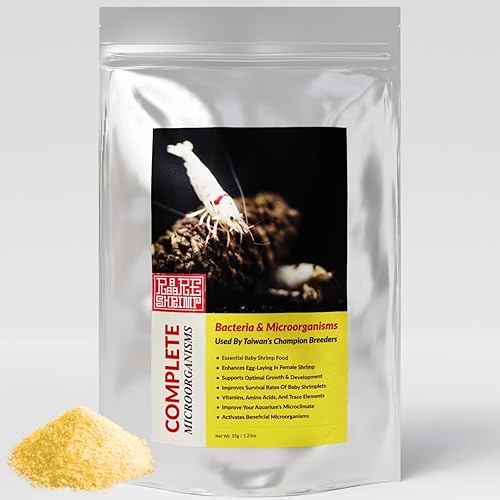
Prime RareShrimp Shrimp Biofilm Powder 35g Probiotic

Prime SF Aquatic 10 Pack Mixed Neocaridina Shrimp

Prime SF Aquatic 20 Pack Mix Color Neocaridina Shrimp

Prime Swimming Creatures Premium Neocaridina Shrimp 10
As an Amazon Associate we earn from qualifying purchases. Product prices and availability are accurate as of the date/time indicated.
Pros
- Specifically designed for baby shrimp nutrition and early development
- Probiotic plus biofilm action supports both shrimp health and tank stability
- Works for all popular dwarf species including Caridina, Neocaridina and Crystal
- Includes measuring scoop for accurate, low waste dosing
Cons
- Powder form requires careful dosing to avoid overfeeding in small nano tanks
- Focused on babies and breeding, not a complete staple diet for adult shrimp
- Small 35g size may run out quickly in large or multiple breeding setups
RareShrimp Professional Shrimp Microbial Food Powder is a 35g biofilm booster made for dwarf shrimp breeders. It is ideal for anyone keeping Caridina, Neocaridina, Crystal Red or Taiwan Bee shrimp and wanting stronger breeding results.
The Taiwan inspired formula seeds beneficial microorganisms that form grazeable biofilm on surfaces and substrate. Combined with Bacillus subtilis probiotics, it gives newborn shrimplets vital protein while supporting digestion, immunity and nutrient uptake.
In real tanks, the ultra fine powder disperses well and settles where babies feed most. The included scoop treats up to 50 shrimp, which helps keep water cleaner by reducing excess food and supports more stable parameters over time.
As a specialty powder, it needs light and consistent dosing, especially in nano tanks where overfeeding can cloud water. It is also a supplement for babies and biofilm, not a replacement for a balanced adult diet.
For breeders focused on shrimplet survival and colony health, this is a smart addition to a breeding routine. It is simple to use, species versatile and built around proven biofilm science.
Brand: Rare Shrimp, Form: Unflavored powder, Size: 35g or 1.22oz, Target Species: Dwarf shrimp including Caridina, Neocaridina and Crystal.
Key Ingredient: Bacillus subtilis probiotic, Includes: Measuring scoop, Use: Shrimp breeding, biofilm growth and aquarium maintenance.
Pros
- Fully mature breeding age shrimp for quicker colony establishment
- Wide mix of colors adds visual interest and genetic diversity
- Easy care, hardy and ideal for beginners and small tanks
- Peaceful algae eaters that help keep aquarium clean
- Live Arrival Guarantee plus responsive customer support
Cons
- Mixed lot means exact colors and patterns cannot be selected
- Live animals are sensitive to shipping delays and extreme temperatures
- Requires a cycled, stable freshwater tank with proper acclimation, not ideal for brand new setups
This 10 pack from SF Aquatic delivers high grade mixed Neocaridina shrimp at fully mature, breeding ready age. It is designed for beginners and hobbyists who want instant color and a fast starting colony in a small freshwater tank.
The mix includes a range of reds, blues, yellows and other morphs for vibrant visual variety. Because they arrive at breeding age, they can start reproducing quickly in a stable, cycled aquarium with plants and hiding spots.
These shrimp are hardy, peaceful and active cleaners that graze on algae and leftover food. Their small size and calm nature make them a great fit for 5 gallon and larger community setups with gentle tank mates.
The main tradeoff is color unpredictability, since this is a mixed lot and exact colors are not guaranteed. Like all live shrimp, they are sensitive to shipping stress, temperature swings and uncycled tanks, so careful acclimation is essential.
Overall, this is a budget friendly way to add life, color and utility to a freshwater aquarium. If you want diversity, breeding potential and easy care in one pack, this mixed Neocaridina set is a smart pick.
Neocaridina shrimp thrive in a cycled freshwater tank of 5 gallons or more with stable parameters and gentle filtration. Provide live plants, moss and hiding places to reduce stress and support breeding.
Acclimate slowly by drip acclimation and avoid sudden temperature or pH changes. Feed a balanced diet of shrimp pellets, blanched vegetables and biofilm, plus regular small water changes.
Keep with peaceful tank mates only and avoid large or aggressive fish that may hunt shrimp. Stable, clean water and consistent care will encourage active behavior and reproduction.
Species: Neocaridina freshwater shrimp, mixed color high grade variety. Quantity: 10 count, fully mature breeding age. Tank Size: Suitable for 5 gallon and larger aquariums.
Temperament: Peaceful community safe, compatible with snails, plants and gentle fish. Function: Natural algae and detritus cleaner for indoor aquariums.
Brand: SF Aquatic. Guarantee: Live Arrival Guarantee with refund or replacement. Use: Freshwater aquarium hobby, modern style setup.
Pros
- Strong live arrival performance with active shrimp even after hot weather shipping
- Wide color assortment including reds, blues, yellows and occasional rare blacks
- Breeding age adults help start a self sustaining colony quickly, sometimes with babies included
- Low maintenance, peaceful cleaners ideal for planted and community aquariums
Cons
- Color mix is random, so specific shades or patterns are not guaranteed
- Requires a cycled, stable tank and slow drip acclimation for best survival
- Shipping stress or extreme weather can occasionally cause a loss despite insulated packing
The SF Aquatic 20 Mix Neocaridina set includes fully mature, breeding age shrimp in a random blend of colors for freshwater aquariums. It is designed for beginners, community tank keepers and anyone wanting to start a colorful colony quickly.
Standout value comes from the broad color mix, from reds and blues to yellows and blacks, plus strong genetic diversity for unique offspring. Buyers report lively, active arrivals even after summer shipping, with many colonies breeding soon after proper drip acclimation.
Packaging uses an insulated styrofoam box with a heat or cold pack selected for seasonal conditions to stabilize temperature. The shrimp themselves are hardy, peaceful grazers that clean algae and fit well in planted tanks of 10 gallons and larger.
The tradeoff is that colors are random, so you cannot request specific grades or exact shades. Success also depends on a cycled, stable tank and slow acclimation, as shrimp can stress if water parameters shift too fast.
Overall, this is a practical starter colony for vibrant color, natural cleaning and breeding potential in one box. If you want variety, hardiness and community compatibility, it is an easy recommendation.
Brand: SF Aquatic, Species: Neocaridina mix, Count: 20 live shrimp at breeding age.
Use: Freshwater aquarium, planted tanks and peaceful community setups, best in 10 gallons and up.
Package: Insulated styrofoam box with seasonal heat pack or ice pack for temperature control.
Support: Live arrival guarantee with refund or replacement assistance for qualifying orders.
Acclimate slowly with a 60 to 90 minute drip to match temperature, pH and hardness. Transfer shrimp with a net and avoid adding shipping water to your display tank.
Keep water stable, well filtered and fully cycled with plenty of plants, moss and hiding spots. Avoid copper medications and aggressive fish that may hunt shrimp or babies.
Feed a balanced shrimp diet plus blanched vegetables and leaf litter, with light feeding to supplement natural biofilm. Perform small, regular water changes to maintain clean and consistent parameters.
Pros
- Combo value with live shrimp and live plant in one purchase
- Mixed colors create a lively, diverse display against green plants
- Java moss provides cover that helps shrimplets survive
- Neocaridina shrimp are active cleaners for planted freshwater setups
Cons
- Live shrimp require a cycled tank and slow drip acclimation to thrive
- Java moss portion is small at 1 sq inch and will need time to grow out
- Assorted mix means specific colors, patterns or sexes cannot be guaranteed
This set from Swimming Creatures includes 10 premium mix Neocaridina shrimp plus a 1 square inch portion of Java moss. It is made for freshwater tropical aquarium owners who want color and function in a single starter combo.
The mixed Neocaridina selection brings reds, blues, yellows and other natural variations that pop against green plants. The included Java moss gives shrimp a place to graze, hide and feel secure, which helps them settle faster and supports baby survival.
As a live aquarium combo, quality shows in activity, color and plant freshness on arrival. When kept in a cycled tank with stable parameters, Neocaridina are hardy, active cleaners that constantly forage on algae and biofilm.
The trade off is that live shrimp need proper drip acclimation and peaceful tank mates to thrive. The moss portion is also quite small, so it works as a starter shelter but will need time to grow out for larger aquascapes.
Overall, this is a convenient brightening pack for planted tanks, nano tanks and community aquariums. If you want an easy way to start a colorful colony with instant cover, this mix and moss combo is a smart pick.
Brand: Swimming Creatures, Model: Premium Neocaridina Shrimp
Set Includes: 10 premium mix shrimp plus Java moss, 1 sq inch portion
Use: Tropical freshwater aquarium, suitable for fish and shrimp community tanks
Product Style: Tropical, Vivarium Type: Aquarium, Included Components: shrimp
Acclimate slowly with drip acclimation over 1 to 2 hours to match temperature and water chemistry.
Keep in a fully cycled tank with stable pH, zero ammonia and nitrites, plus plants or moss for cover.
Feed sparingly with shrimp pellets or blanched vegetables, and avoid copper based medications that harm shrimp.
Matching Gear to Your Tank
Scenario one is a dedicated Crystal or Taiwan Bee breeding tank where you want carbonate hardness very low from day one. Start with pure reverse osmosis water, active soil and a GH only remineralizer, then cycle fully before shrimp arrive. While the tank matures, Professional Shrimp Microbial Food Powder illustrates the support side well, since one included scoop treats up to 50 shrimp and helps build biofilm for new shrimplets once KH is stable. The con is real, too much powder can foul a new tank, so dose lightly and siphon uneaten residue.
Scenario two is a colorful Neocaridina community where you do not need to push KH ultra low. In that case do not chase Caridina level KH in your current tank, because you will stress hardy shrimp for no benefit. The SF Aquatic™ 20 Mix Neocaridina High Grade and SF Aquatic™ 10 Mix Neocaridina High Grade examples show why, since these mixes are described as beginner friendly, affordable and community compatible and do well with some carbonate present. Keep them in their own tank with a balanced routine, and set up a separate Caridina tank later if you want truly soft water. For comparison on Crystal needs, see this KH mineral guide for Crystal Red.
Scenario three is a small planted display where you want shrimp color plus easy cover and grazing surface. The Swimming Creatures™ Premium Neocaridina Shrimp combo, which pairs shrimp with Java moss, is a good illustration of habitat thinking. Moss will not lower KH by itself, but it adds shelter that helps shrimplets while you keep water stable. If your tap KH is high and you want Caridina in this style of tank, plan on pure source water rather than chemical shortcuts, because shortcuts wear off and KH rebounds. You should NOT buy pH down liquids or phosphate based buffers for this goal, they cause crashes.
Common Mistakes
Mistake one is dosing too fast or stacking products. Adding a full label dose of minerals to a fresh soil tank, then adding a KH reducer on top, creates swings that kill more shrimp than stable but slightly high KH ever would. Start lean, wait a day, test again, and only adjust in small steps.
Mistake two is not testing before and after every change. Many keepers test the tank but skip testing the bucket, so they never learn whether their source or their remineralizer is pushing KH up. Test source water alone, test mixed water before a change, then test the tank the next day to see the true effect.
Mistake three is mixing products meant for different shrimp genera in one tank. Using a Neocaridina GH and KH blend in a Caridina soil tank fights the soil and keeps KH elevated, while using GH only salts in a Neocaridina tank can leave cherries short on carbonate. Pick one genus per tank, match soil and salt to that genus, and do not blend lines just to use up bottles.
My Experience
I run a small Caridina breeding setup on pure source water with active soil and a GH only routine, and I learned to stop chasing numbers and focus on repeatability. I mix in a dedicated bucket, dose lighter than the chart at first, test after mixing, then do small changes twice a week instead of one large change. Once KH held steady and biofilm thickened, with light feeding of a microbial powder to support shrimplets, my berried females carried full term far more often and I saw far fewer white ring molting issues.
Who Should Wait or Buy Differently
If you keep only Neocaridina in tap water that is already breeding well, this low KH approach is not ideal for you and you should wait. Pushing carbonate hardness down to Caridina levels will slow cherry breeding, stress adults and exhaust your soil for no gain. Likewise, if you are not ready to use pure source water and test regularly, do not start overhauling a running tank, instead set up a separate small Caridina project when you have time for consistent mixing and logging.
Frequently Asked Questions
Can I lower KH without using RO water?
You can nudge KH down temporarily with active soil or by diluting with distilled water, but you cannot hold it low long term if every water change adds hard tap water back in. For Caridina breeding, keepers commonly report the most stable results when pure source water forms the base. Think of soil as a buffer and RO as the foundation.
How fast should I bring KH down in an active Caridina tank?
Move slowly and let shrimp adjust between steps. Use small, spaced water changes with correctly mineralized pure water, then retest before doing more. If you see lethargy, failed molts or dropped eggs, pause changes and hold steady until behavior returns to normal.
Why does my KH rise again after I lower it?
Common causes are hard source water, a GH and KH remineralizer meant for Neocaridina, calcareous rocks or gravel, and exhausted soil that no longer buffers. Test your bucket mix alone to isolate the cause. If the bucket is soft but the tank climbs, check hardscape and consider refreshing soil in a separate setup rather than adding more chemicals.

Write Your Review
No reviews yet. Be the first to share your experience!