

Video credit: Frankey Jones. Original video: https://www.youtube.com/watch?v=0-M6-MPVznE. This is our own independent breakdown and is not affiliated with the video creator. As an Amazon Associate, Shrimpyo earns from qualifying purchases. Product prices shown in the video may have changed.
Watch the video
Product breakdown
- SF BAY Indian almond leaves
- Fluval catappa leaves
- Cholla wood
- Alder cones
- Mulberry leaves for shrimp
This breakdown is our own summary of the video for reference. Confirm current specs and price on the retailer page before buying.
This is our own independent breakdown and is not affiliated with the video creator. As an Amazon Associate, Shrimpyo earns from qualifying purchases. Product prices shown in the video may have changed.
Watch the Video
Think of the embedded video as a setup in this class, not an exact shopping list. It shows what a simple botanical aquarium tutorial looks like in real life, with leaf litter, natural wood and tinted water.
This style is for shrimp keepers who want grazing surfaces, gentle cover and a natural look without complex hardscape. If you like watching shrimp pick at surfaces all day, this approach fits you.
What This Video Covers
Frankey Jones gives a real world look at building a first botanical aquarium, which is the same category we cover for shrimp focused leaf and wood setups. You see the idea of starting with clean hardscape, adding botanicals in layers, then letting the tank settle into a soft, tea colored habitat.
This approach suits Neocaridina cherry type shrimp best for beginners, and it can also work for hardier Caridina and Amano shrimp once your maintenance routine is stable. Shrimplets benefit a lot because leaves and porous wood grow the biofilm they graze on between feedings. Adults use the same surfaces for resting and molting cover.
In terms of scale, this is a small tank method. I keep my own colonies in a 10 L nano, which matches the 2.6 US Gal slash 10 L reference used for leaf dosing guidance, and a size like that is one keepers commonly report for a first botanical shrimp tank. Small water volume means every leaf counts, so you add slowly and watch the tint and clarity over several days.
The main tradeoff at this level is tannins versus control. Botanicals release tannins that tint the water and, as noted for almond leaves, can lower pH to support ideal water conditions. That soft, shaded effect looks natural and many shrimp graze more confidently in it, but in a small tank the shift can happen faster than you expect. That is why steeping or rinsing first and starting with fewer pieces is smarter than loading the tank on day one.
The second tradeoff is food value versus maintenance. Leaves like catappa and mulberry, cones and cholla wood all grow biofilm and give shrimp something to pick at. The downside is they break down. Soft, decomposing leaves need to be removed and replaced, wood can shed fine particles, and cones can stain more than you expect for their size. If you want low upkeep, you will prefer fewer, larger pieces and a simple replacement rhythm.
If you are new to this category, start with our Indian Almond Leaves + Botanicals hub to see how leaves, cones and wood compare. For prep basics, read how to choose indian almond leaves for shrimp tanks and how to choose catappa leaves for shrimp tanks. For a larger kit idea, see botanical bundles for 10 gallon shrimp tanks tested.
Who should skip this style for now. If you need crystal clear water for photos, if you dislike regular leaf removal, or if your tap water is already very soft and acidic, a heavy botanical load may add more variables than you want. A single piece of wood with light leaf litter is a better test before you commit to a full botanical bed.
Timestamp Breakdown
This is the core of the article. The table below maps the general parts you see in a setup in this class to what I would buy today in November 2026. The video does not use these exact products, this is my own independent mapping for shrimp keepers.
This article contains affiliate links. If you buy through one of our links, Shrimpyo may earn a commission at no extra cost to you. Commissions never influence which products we recommend or how we rank them. Read our Affiliate Disclosure for details.
Quick Picks at a Glance

Prime LAXMI Whole Bay Leaves 2oz

Fluval Betta Tropical Almond Leaves 10-Pack
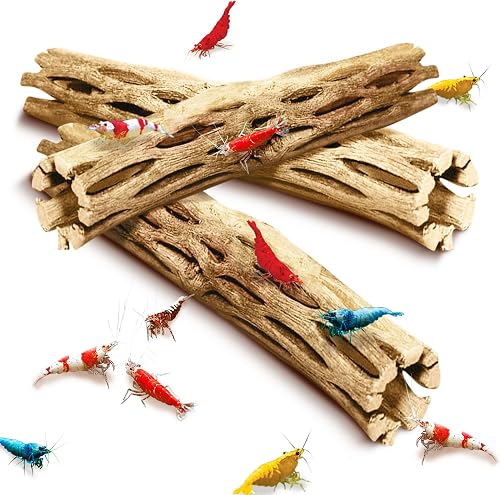
Prime SunGrow Cholla Wood 3-Pack 6 Inch
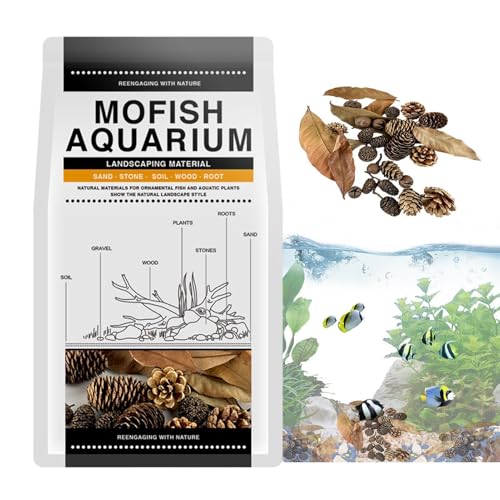
Alder Cones for Shrimp Aquarium

Prime Awesome Aquatic Mulberry Leaves 20 Pack
As an Amazon Associate we earn from qualifying purchases. Product prices and availability are accurate as of the date/time indicated.
Pros
- Whole leaf format provides authentic, aromatic flavor
- All natural and Non-GMO for clean everyday cooking
- Highly rated at 4.8 out of 5 for quality and freshness
- Versatile for soups, rice, biryani, curries, stocks and marinades
- Compact 2 ounce pack is easy to store and handle
Cons
- 2oz size may run out quickly for large batch cooking
- Whole leaves are for flavoring only and must be removed before eating
- Limited detail on sourcing and harvest freshness
LAXMI Whole Bay Leaves is a 2 ounce pantry staple made for cooks who use slow simmered dishes to build deep flavor. It suits everyday home cooking as well as Indian, Mediterranean and American recipes that rely on aromatic spices.
Whole leaves release flavor gradually during cooking, which works well for soups, stocks, stews, biryani, curries and sauces. Fresh packing helps retain the natural aroma, so one to two leaves add warm, slightly herbal notes without overpowering the dish.
The leaves come in a compact, lightweight pouch that is easy to store and keeps the product protected in the pantry. Whole leaf form also makes them simple to spot and remove before serving, which keeps texture clean.
The 2 ounce size is convenient for regular use but may feel small for large families or batch cooking. As with all whole bay leaves, they are for flavoring only and should not be eaten whole.
Overall, this is a reliable, clean label choice for anyone who wants authentic bay leaf aroma at home. If you cook dals, rice, soups or stews often, it is an easy spice to keep on hand.
Product: LAXMI Whole Bay Leaves, Freshly Packed, All Natural, Non-GMO
Size: 2 Ounce, whole leaf form for cooking
Package Dimensions: 5.91 x 1 x 9.45 inches, 2.08 ounces
Brand: LAXMI BRAND, UPC: 723246188188, ASIN: B00JCY4FGU
Category: Bay Leaf in Grocery and Gourmet Food
Pros
- Native to wild betta habitats for authentic environmental enrichment
- Naturally lowers pH to help create ideal water conditions
- Supports fish health without chemical additives
- Easy to use, just add leaves and replace when disintegrated
- Natural look enhances aquarium decor while serving a functional purpose
Cons
- Leaves naturally disintegrate and must be removed and replaced every 4-6 weeks
- May tint aquarium water slightly from tannins, which some keepers may not prefer
- Dosing is designed for small volumes, so larger tanks need careful monitoring
Fluval Betta Tropical Almond Leaves are natural botanical leaves made for betta aquariums. They are ideal for betta keepers who want to recreate wild habitat conditions and support fish wellness naturally.
In real world use, you add 1 to 2 leaves per 2.6 gallons and let them work passively. They release natural tannins that help lower pH and support stable, betta friendly water conditions.
The leaves feature a natural color and texture that blends well into planted or biotope style tanks. They serve as both functional water treatment and authentic decor that makes the aquarium look more natural.
As with all natural leaves, they will soften and break down over time and need replacement every 4 to 6 weeks. They can also give water a light tea tint, which is normal for almond leaves but may not suit fans of crystal clear water.
Overall, this 10-pack is a simple, chemical free way to enrich a betta tank. If you want better habitat authenticity, gentle pH support, and easy maintenance, it is a smart and natural choice.
Use 1 to 2 leaves per 2.6 US gallons or 10 liters of aquarium water. Simply rinse lightly and place the leaves directly in the tank.
Leave them in place to condition water and provide shelter. Remove disintegrated leaves and replace every 4 to 6 weeks to maintain effectiveness.
Pros
- Natural, chemical-free wood suited for sensitive shrimp and invertebrates
- Multifunctional decor that works as shelter, grazing surface and climbing structure
- Lightweight and easy to arrange in nano tanks, shrimp colonies and pleco setups
- Popular choice for breeding tanks and natural habitat enrichment
Cons
- Natural product, so size, girth and hole pattern vary between pieces
- Requires soaking in hot saltwater and waterlogging before it will sink
- May release light tannins or develop temporary biofilm fuzz in new tanks
The SunGrow 3 Pack Shrimp Cholla Wood includes three 6 inch natural husks from the cholla cactus, made for freshwater aquariums. It is designed for shrimp keepers, snail owners and pleco tanks that need natural shelter and foraging areas.
In real tanks, the porous surface quickly develops biofilm that shrimp graze on throughout the day. The hollow tubes serve as climbing logs, play areas and cozy hideouts where shrimp can molt, rest and feel secure.
Each piece is raw, lightweight and naturally varied in girth, hole pattern and tone, which adds realism to aquascapes. The soft, chewable texture is gentle for invertebrates yet sturdy enough to arrange into caves or lean against plants and rocks.
Because it is a natural wood, pieces will float at first and need soaking in hot saltwater until waterlogged. You may also see initial tannin tint or light biofilm fuzz, which is normal and typically clears as the tank matures.
For anyone building a natural shrimp colony, breeding tank or pleco habitat, this is a simple and effective enrichment. It combines decor, shelter and grazing in one easy to arrange 3 pack.
Brand: SunGrow, Quantity: 3 pieces of natural cholla wood, Length: 6 inch branches for aquarium use. Material: Raw dried husk of cholla cactus with porous, lightweight structure.
Compatibility: Designed for shrimp, snails, plecos and small fish in freshwater fish tank setups. Use for shelter, grazing surface, climbing enrichment and natural decor.
Preparation: Soak in hot or boiling saltwater, sun dry, then waterlog before placing in tank. Natural variation in girth and shape should be expected with raw wood.
Rinse each piece, then soak in hot saltwater until fully waterlogged so it sinks and stays in place. Arrange the three logs separately for multiple hideouts or group them to form caves and tunnels.
Place near plants or moss to create shaded resting spots and breeding cover for baby shrimp. Monitor new setups for light fuzz or tint, and perform regular water changes as the wood matures in your tank.
Pros
- Natural, organic botanical blend with alder cones, pinecones and leaves
- Helps condition water with tannins for a more authentic environment
- Provides shelter and foraging surfaces that shrimp and shy fish use daily
- Simple prep by soaking in boiled water before adding to tank
- Works for a wide range of freshwater species and aquascape styles
Cons
- Requires soaking for a few days before use, not an instant addition
- Mixed botanical contents and sizing lack detailed specifications
- Tannins will tint water, which may not suit crystal clear tank preferences
This alder cone botanical mix is designed as a natural water conditioner, decor element and shelter for freshwater shrimp, bettas and small fish. It is ideal for hobbyists building a botanical style or blackwater inspired nano tank with more natural cover.
Standout features include tannin release, mineral support and multifunctional use as food source enhancement and hiding place. In real world use, the cones and leaves help create softer looking water while giving shrimp grazing surfaces and shy fish private resting areas.
Build quality centers on natural, eco sourced botanicals that are boiled for cleaner handling. The mixed husk assortment adds varied texture and a realistic forest floor look that lasts for months in the aquarium.
Drawbacks include the required prep time, since pieces need soaking in boiled water for a few days before placement. Water tinting from tannins is expected, and exact piece count and size can vary between packs.
Final verdict: a practical, low maintenance choice for shrimp keepers and natural aquascapers who want conditioning benefits plus decor. If you prefer tinted water and organic cover over synthetic ornaments, this mix fits well.
Soak the botanicals in boiled water for a few days, then rinse before adding to your aquarium. Start with a small amount to control tannin color and observe livestock response.
Place cones and leaves near plants, wood or caves to create shelter zones for shrimp and bottom dwellers. Replace pieces as they slowly break down to maintain appearance and function.
Product type: natural aquarium botanical mix with alder cones, pinecones and leaves. Color: mixed husk. Intended use: freshwater shrimp, betta, catfish, turtle and community tanks.
Package dimensions: 8.35 x 6.1 x 4.65 inches. Preparation required: soak in boiled water before aquarium use. Effect: tannin release, natural decor, shelter and biofilm support.
Pros
- Natural, habitat correct food source rich in protein and fiber for molting support
- Safe for full aquarium community including shrimp, betta, snails and bottom dwellers
- Supports biofilm growth and provides shelter for juveniles and shy shrimp
- Versatile use as daily treat, supplement and short term vacation feeder
Cons
- Leaves may float for several days unless boiled, blanched or weighted down
- Uneaten leaf skeletons need to be removed to avoid water quality issues
- 20 pack supply can run out quickly in large or heavily stocked colonies
Awesome Aquatic Mulberry Leaves 20 Pack is a natural botanical food and habitat aid for freshwater ornamental shrimp. It is designed for keepers of Neocaridina, Caridina, Cherry, Fire, Crystal, Amano, Rili and Sulawesi types seeking a more natural diet.
In the tank, shrimp graze directly on the softened leaf and on the biofilm that colonizes its surface. The mix of protein, vitamins, minerals and fiber helps support daily nutrition and more consistent molting when used as a supplement.
Leaves are sustainably harvested, hand collected and prepared without pesticides or fertilizers. They arrive clean and ready to use, with a natural texture that holds up for days while providing cover for juveniles.
The main tradeoff is prep and patience, since dry leaves often float at first. Most keepers boil or blanch them briefly for faster sinking, or attach them to a rock or leaf clip for immediate placement.
Overall, this is a solid choice for shrimp focused tanks that need natural foraging and shelter. If you want an organic, easy to portion treat for small to medium colonies and vacation feeding, it is worth trying.
Brand: Awesome Aquatic. Form: Natural whole mulberry leaf. Count: 20 pack. Intended for: Freshwater ornamental shrimp and compatible tank mates.
Compatibility: Neocaridina, Caridina, Cherry, Fire, Rili, Crystal, Taiwan Bee, Amano, Sulawesi and Betta community tanks. Diet stage: Suitable for all life stages as a supplemental treat.
Key traits: Organic, pesticide free, fertilizer free, sustainably harvested and hand collected. Function: Supplemental nutrition, biofilm substrate, shelter and vacation feeding support.
Rinse briefly if desired, then add directly to the aquarium or secure with a rock or leaf clip to keep it on the bottom. For faster sinking, boil or blanch for a few minutes, then cool before adding.
Leave in the tank for several days while shrimp graze, then remove the remaining skeleton to keep water clean. Start with one leaf for small colonies and adjust based on stocking and consumption.
| Timestamp | Part | Common at this level | Our 2026 pick | Why |
|---|---|---|---|---|
| Full video | setup | a similar setup in this class | SF BAY Indian almond leaves | A grounded, currently sold option in the almond leaves botanicals category. |
| Full video | gear | a similar setup in this class | Fluval catappa leaves | A grounded, currently sold option in the almond leaves botanicals category. |
| Full video | gear | a similar setup in this class | Cholla wood | A grounded, currently sold option in the almond leaves botanicals category. |
| Full video | gear | a similar setup in this class | Alder cones | A grounded, currently sold option in the almond leaves botanicals category. |
| Full video | gear | a similar setup in this class | Mulberry leaves for shrimp | A grounded, currently sold option in the almond leaves botanicals category. |
The most important choice is your base leaf. A bulk style almond leaf gives you flexible litter coverage, while a portioned option with clear guidance helps beginners dose with more confidence. I like having both mindsets in the cabinet, bulk leaves for scaping and a measured pack when I am resetting a small tank.
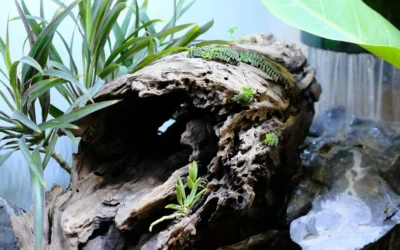
The second key choice is structure versus tint. Cholla wood is about shelter and grazing area, with its soft texture and porous structure that shrimp climb and hide in. Alder cones and extra leaves are more about tint and micro grazing. If shrimplets are your priority, prioritize porous surface area over color.
For all of these, steep or rinse botanicals before adding them to reduce tannin shock in a small tank, and remove decomposing leaves once they turn soft. Quantity depends on tank size and desired tannin level, not a universal count, so add one piece, wait a few days, then decide.
My Experience
I keep Neocaridina cherries in a 10 L nano with sand, moss and two small pieces of wood, and I run it as a light botanical tank for most of 2026. When I add a catappa style leaf using the 1 to 2 leaves per 2.6 US Gal slash 10 L guidance, the water takes on a faint gold tint in a day or two and the shrimp move onto the leaf by the next morning.
What I learned is to pull the leaf once it goes soft and patchy and replace on a 4 to 6 week rhythm rather than letting it fall apart in the tank. Cholla has been the best shrimplet magnet in that setup, they line up inside it after a water change. Mulberry gets eaten faster in my experience, so I treat it as supplemental food, not long term cover.
Comparison and Alternatives
Comparing the top two leaf picks, the SF BAY Indian almond leaves style option is about simple, natural litter for tint and biofilm. The Fluval catappa leaves option covers the same job but adds beginner friendly structure, with notes that almond leaves are native to wild Betta habitats, help lower pH to support ideal water conditions, and should be replaced every 4 to 6 weeks as they disintegrate.
In practice, I suggest the guided pack if you are setting up your first 10 L tank and want a clear starting point of 1 to 2 leaves per 2.6 US Gal slash 10 L. Choose the bulk style leaves if you already know your preferred tint level and want to scatter smaller pieces around wood and moss. Both need the same prep, a quick rinse or steep, and both need removal once soft.
For a tighter budget swap, consider alder cones instead of adding more leaves. A few small cones give noticeable tint and grazing surface without taking up floor space, which helps in a crowded nano. If your goal is feeding rather than tint, mulberry leaves for shrimp are the better swap, since they are described as high in protein, vitamins, minerals and fiber and shrimp tend to consume them directly.
Cholla wood is not a direct substitute for leaves. It lasts longer as shelter and climbing surface, but it can trap debris inside the tubes and needs occasional gentle shaking during water changes. Do not buy heavy botanicals if you hate tinted water, dislike picking out mushy leaves, or keep shrimp that you want to observe against a bright background at all times.
Three Ways to Set This Up
Budget Starter for Neocaridina with SF BAY Indian Almond Leaves
Use SF BAY Indian almond leaves as your base, adapted in quantity to your own tank volume, plus a small portion of alder cones for extra tint. This suits a first cherry shrimp tank where you want low cost, simple biofilm and easy removal.
Start with one leaf, steeped first, then add a second only if the tint stays very light after several days. This version is best for keepers who want to test botanicals without committing to wood.
Balanced Pick for Caridina with Fluval Catappa Leaves
Use Fluval catappa leaves as your measured base, adapted in quantity to your own tank volume, with mulberry leaves for shrimp as a rotational food leaf. This suits a Caridina focused keeper who wants clearer dosing guidance and regular replacement.
Follow the 1 to 2 leaves per 2.6 US Gal slash 10 L starting point and replace disintegrated leaves every 4 to 6 weeks. Add mulberry only as a treat leaf, since shrimp eat it faster than catappa.
Higher End Shelter Setup with Cholla Wood
Use Cholla wood as the centerpiece, adapted in size to your own tank volume, supported by Fluval catappa leaves for tint and mulberry leaves for feeding. This suits a Taiwan Bee or shrimplet focused tank where hides and grazing area matter most.
Soak the wood in hot water and sun dry before placing, arrange to create crevices, then tuck leaves around the base. This version is best if you want long lasting structure plus leaves you can swap out as they soften.
FAQ
How many botanical leaves should I add to a shrimp tank at first.
Start with less than you think, often one leaf in a small tank, then wait and observe tint and shrimp behavior. Quantity depends on tank size and desired tannin level, not a universal count, and guided packs suggest 1 to 2 leaves per 2.6 US Gal slash 10 L as a starting reference.
Do I need to boil Indian almond leaves before adding them to shrimp tanks.
You do not need a hard boil for every leaf, but you should steep or rinse botanicals before adding them to reduce tannin shock in a small tank. Boiling or blanching will also help leaves sink faster and release more tannins, so use a short steep if you want lighter tint.
How long do catappa leaves and cholla wood last in a shrimp aquarium.
Catappa style leaves typically break down over weeks and should be removed once soft, with replacement every 4 to 6 weeks as a common guide. Cholla wood lasts much longer as shelter, though it slowly softens and should be checked for trapped waste and excess biofilm buildup.
Final Verdict
A first botanical tank works best when you treat leaves as consumables and wood as furniture. Start light, keep water changes steady, and let shrimp tell you when grazing surfaces are working by how actively they pick and berried females behave.
Our pick: the balanced Caridina setup with Fluval catappa leaves, for keepers who want clear guidance, steady tint and an easy leaf swap routine in November 2026.
Write Your Review
No reviews yet. Be the first to share your experience!